














Inbound and outbound goods handling form the foundation of warehouse logistics. It refers to the complete process in which products are received, inspected, registered and stored, and later picked, packed and shipped to customers or distribution points. These goods directly influence the speed, accuracy and reliability of logistics operations.
If inbound and outbound goods processes are not properly organised, delays in order fulfilment, inaccurate stock data and increased operational costs may occur. By structurally optimising inbound and outbound goods handling, organisations gain greater control over lead times, logistics performance and delivery reliability.
Why efficient inbound and outbound goods processes are essential
Warehouses handle high volumes of incoming and outgoing goods every day. At the same time, product ranges continue to grow, and customer expectations regarding delivery speed are increasing. This makes a well-organised inbound and outbound process increasingly important.
Inefficient handling of goods flows may result in:
- Incorrect registration of incoming products
- Delays in order picking
- Inefficient warehouse routing
- Additional internal transport movements
- Limited visibility of stock availability
- Reduced delivery reliability
A structured approach to inbound and outbound goods handling helps organisations maintain predictable logistics processes and minimise operational errors.
How inbound goods processes work
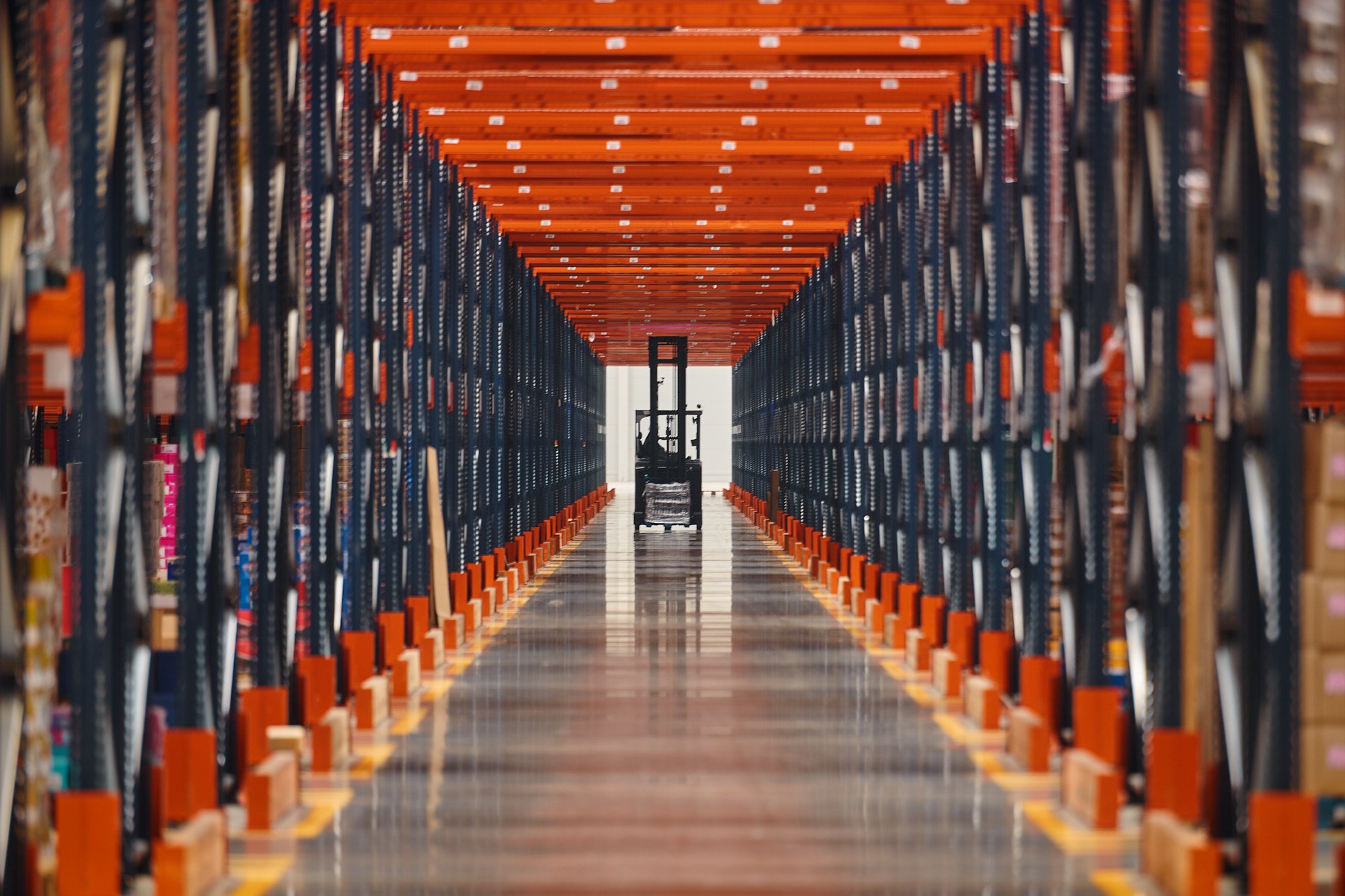
Inbound logistics includes all activities from the moment goods arrive at the warehouse until they are stored in the correct location. Shipments are checked for quantity, condition and documentation before being registered in the system. Products are then stored based on factors such as turnover rate, size and product characteristics. This contributes to reliable inventory data and efficient warehouse operations.
How outbound goods processes work in practice
Outbound logistics involves picking, checking, packing and dispatching products. Efficient warehouse layouts and optimised routing play a key role in ensuring smooth outbound flows.
When inbound and outbound goods handling are well aligned, organisations can process orders faster and reduce the risk of errors. This leads to shorter processing times and more consistent deliveries.
The impact of well-aligned inbound and outbound processes
Efficient warehouse processes improve overall logistics performance. Organisations gain better insight into goods movements and can respond more effectively to fluctuations in demand or capacity.
Benefits may include:
- Shorter order processing times
- Improved utilisation of storage space
- Fewer delivery errors
- Lower operational costs
- More accurate inventory levels
As a result, organisations achieve greater operational continuity and higher service levels.
The importance of digitalisation in goods handling
Digital tools such as Warehouse Management Systems enable real-time tracking of goods and support automation of warehouse activities. Technologies like barcode scanning and data analysis provide greater transparency and operational control, helping organisations continuously improve inbound and outbound processes.
How logistics support can enhance warehouse efficiency
Organisations seeking to professionalise their warehouse operations can benefit from logistics support. Integrating warehousing activities and goods handling processes creates more scalability, consistency and operational insight.
More information about warehousing solutions is available here.
To discuss how to optimise inbound and outbound goods handling, please contact our warehousing specialist here.