














Warehousing refers to the organization, management, and optimization of goods flows within a warehouse environment. It acts as a crucial link between production, procurement, and distribution. By positioning goods strategically and aligning processes effectively, companies gain control over inventory, space, and internal logistics.
In practice, warehousing ensures that products are available at the right time, without unnecessary storage costs or delays. It plays a key role in modern supply chains, where speed, flexibility, and reliability are essential.
What does warehousing mean?
The meaning of warehousing lies in its supporting function within the supply chain. A warehouse serves as a buffer and distribution point, where goods are temporarily stored before being processed or shipped.
Warehousing typically includes activities such as storage, inventory control, order processing, and returns handling. When these processes are well organized, businesses benefit from greater visibility and operational stability.
Companies that structure their [warehousing] effectively are better equipped to manage fluctuations in demand and maintain consistent performance.
Why is warehousing important?
Well-organized warehousing has a direct impact on business performance. It influences how efficiently goods move through the supply chain and how reliably customers are served.
Key benefits include:
- Improved inventory control: real-time insights help prevent shortages and overstock
- Lower operational costs: efficient use of space and resources reduces expenses
- Faster order processing: streamlined workflows shorten delivery times
- Scalability: the ability to handle growth and peak periods more effectively
As a result, warehousing contributes to continuity, efficiency, and customer satisfaction.
What does warehousing look like in practice?
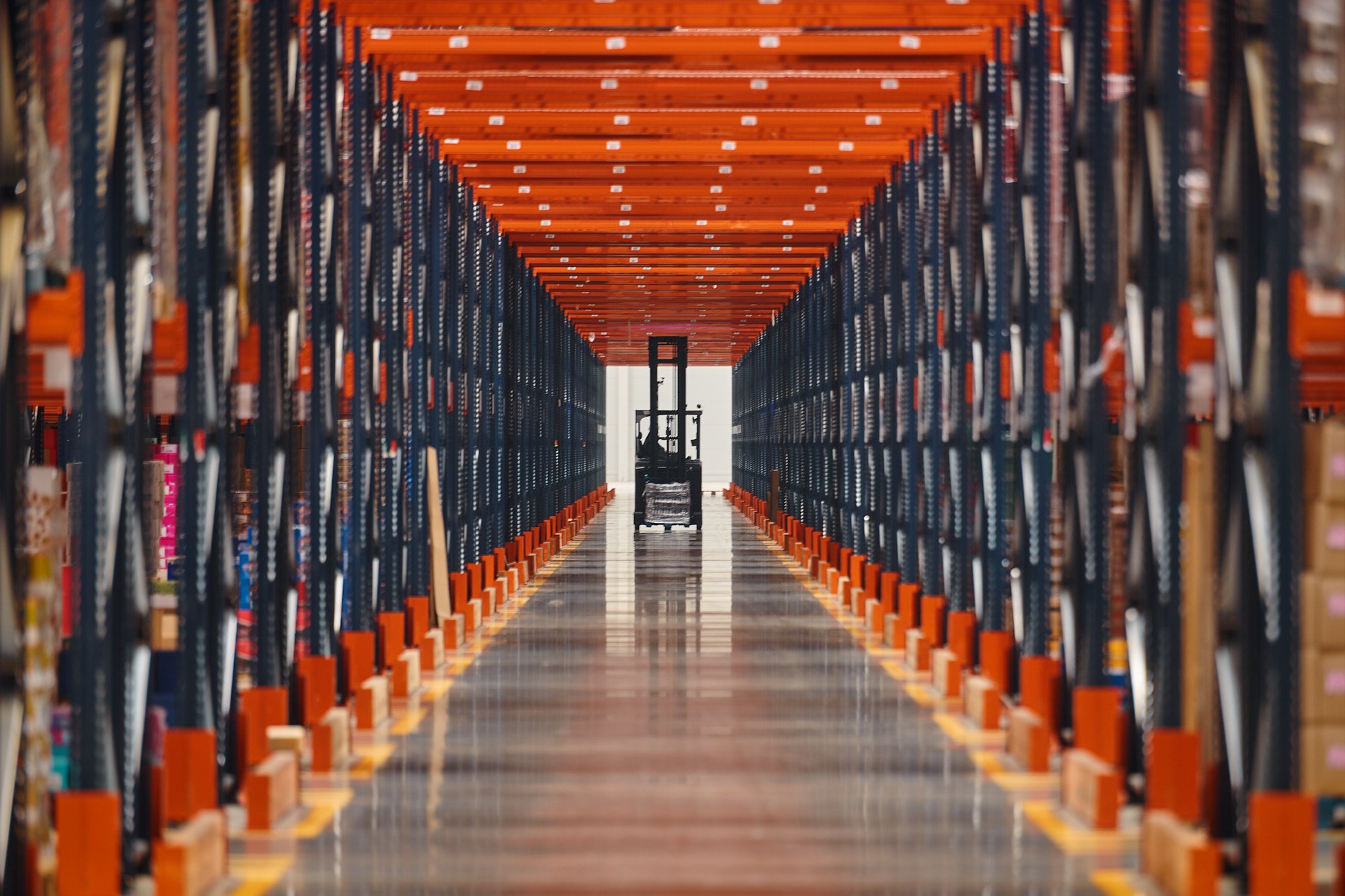
In day-to-day operations, warehousing focuses on optimizing internal logistics processes. This includes warehouse layout design, the use of inventory management systems, and efficient handling of incoming and outgoing goods.
When warehousing is properly set up, processes connect seamlessly. This leads to fewer errors, better use of available space, and improved responsiveness to changing demand. It also closely interacts with activities such as fulfilment and transport, where timing and accuracy are critical.
When does warehousing become complex?
Warehousing becomes more complex as organizations grow or logistics operations expand. This can happen due to increasing product volumes, multiple distribution channels, or higher customer expectations.
Typical challenges include managing multiple locations, handling international flows, and coping with demand peaks. In such situations, a basic warehouse setup is often no longer sufficient, and companies require more structure, visibility, and scalable solutions.
Gaining more control over your logistics
If you want more control over your inventory and logistics processes, optimizing your warehousing setup is a logical step. Well-aligned processes create clarity, reduce inefficiencies, and support long-term growth.
In many cases, businesses choose to outsource (parts of) their logistics to a specialized partner in warehousing, allowing them to focus on their core activities while maintaining reliability and flexibility.