









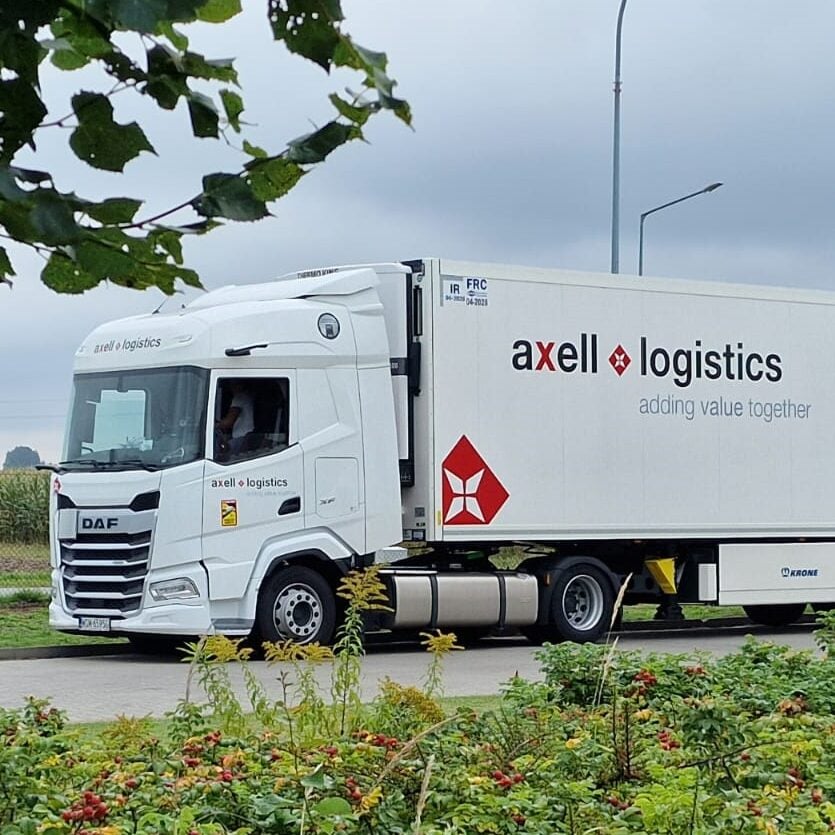





Many organisations that experience growth in sales volume or logistics complexity eventually ask: What is a distribution centre?
When delivery expectations increase, inventory management becomes more demanding, and customers expect faster service, businesses need more structure and control in their logistics processes. A distribution centre enables companies to process goods efficiently and distribute them in a targeted way throughout the supply chain.
Definition of a distribution centre
A distribution centre is a logistics facility where goods are temporarily stored and then quickly redistributed. The focus is not on long-term storage, but on product flow, order processing and delivery reliability. This makes the distribution centre a central link between production, inventory management and delivery to customers or retail locations.
Typical activities include:
- receiving and checking incoming goods
- structured and real-time inventory management
- order picking and shipment assembly
- preparing goods for dispatch and coordinating transport
By organising these processes effectively, companies gain greater visibility, fewer errors and better control over logistics performance.
What is the difference between a warehouse and a distribution centre?
Although both facilities are used for storing goods, their purposes differ. A warehouse mainly focuses on storing inventory, while a distribution centre is designed for fast processing and distribution.
Key differences:
- Purpose of the facility
A warehouse functions as a long-term inventory buffer.
A distribution centre supports continuous product flows to customers or stores. - Logistics dynamics
Warehouses focus on space utilisation and stock levels.
Distribution centres focus on speed, process control and delivery certainty. - Process complexity
Warehouses often involve less intensive logistics operations.
Distribution centres rely on digital systems, order processing and transport planning. - Strategic role
Warehouses mainly provide storage capacity.
Distribution centres contribute to scalability, customer satisfaction and operational continuity.
When does a distribution centre become relevant?
For many organisations, a distribution centre becomes important when logistics starts to influence growth and service performance. For example, when:
- order volumes increase rapidly
- shorter delivery times are required
- distribution expands to multiple regions or countries
- more control over inventory and delivery performance is needed
Centralising logistics activities can then create more structure, predictability and room for further growth.
Distribution centres and logistics collaboration
More and more organisations choose to organise logistics together with specialised partners. With professional warehousing solutions, companies can structure storage and distribution more efficiently without investing in facilities, systems or staff.
Would you like to understand how a distribution centre can improve logistics control and scalability? You can request warehousing advice without obligation.