












What do FTL and LTL actually mean, and what are the advantages and disadvantages of these two types of freight transport? Are you looking for an experienced logistics partner to help you choose the right solution? Then you are in the right place.
Keep in mind: the carrier is responsible for the safe and timely delivery of your goods, but you decide which type of transport best fits your needs. By preparing well, you can save time and reduce transport costs.
Axell Group has been providing professional logistics and warehousing services for companies across various sectors for over 20 years. We understand how important a well-planned transport process is—tailored to the specific needs of each customer. National and international transport form the backbone of many businesses. Today, FTL and LTL are the most commonly used transport methods. But what do they actually involve?
FTL transport – what does it mean?
When choosing a carrier, it is important to specify which type of transport suits your needs. One popular option is FTL transport—but what does that mean?
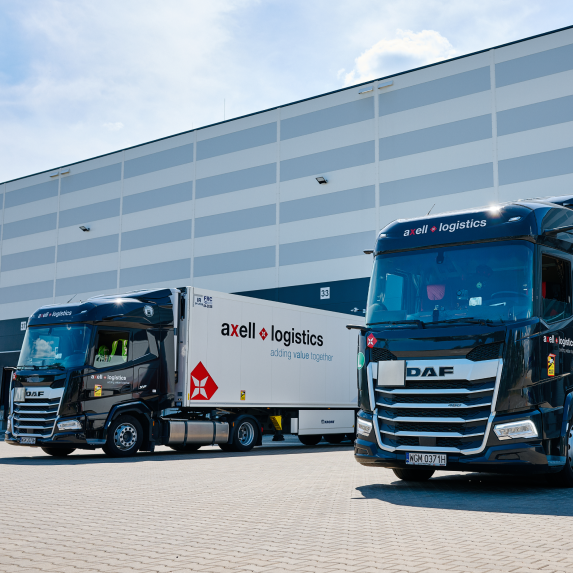
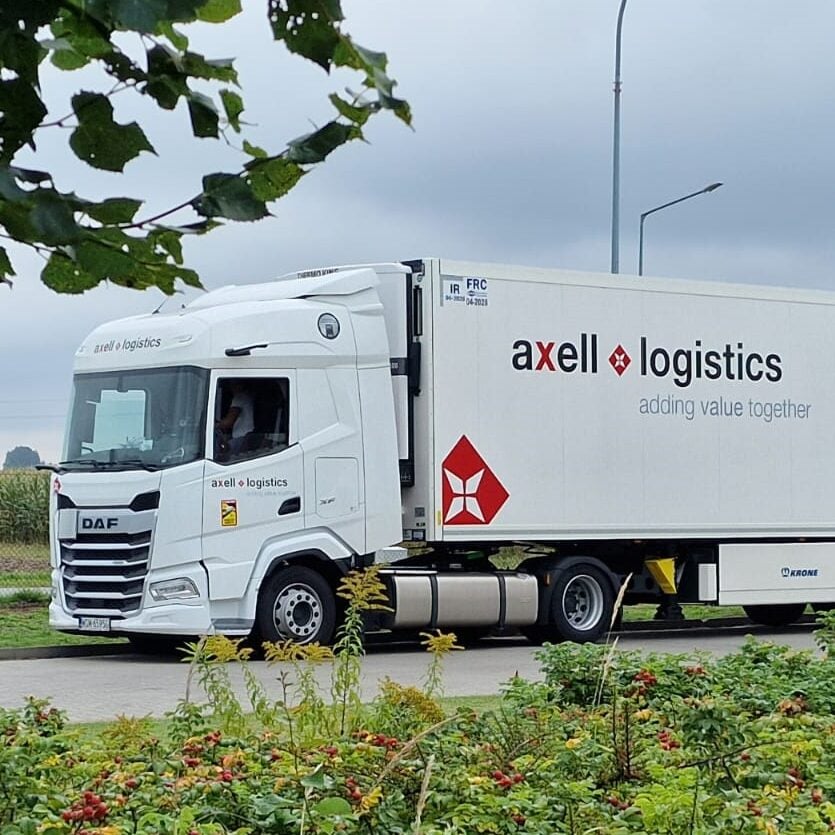
FTL stands for Full Truck Load, meaning that the entire truck capacity is used for one shipment.
As the name suggests, FTL involves filling the entire loading space of a truck. The trailer is usually sealed after loading and only opened upon delivery. This allows goods to be transported directly from sender to receiver without intermediate stops.
Advantages and disadvantages of FTL transport
The main advantages of FTL are higher security and faster delivery times. It is often a cost-effective option for both the shipper and the carrier. Because the trailer is sealed, the risk of theft is lower. Additionally, since no reloading is required, there is less chance of damage to the goods. Planning is also simpler, with less administrative effort, and delivery dates can be agreed upon more precisely.
The main disadvantage is cost: you pay for the entire truck capacity, even if it is not fully utilized—although this also gives you full flexibility in how the space is used.
When should you choose FTL transport?
FTL is the right choice for larger shipments, unusual dimensions, or when speed is essential.
It is particularly suitable for transporting:
- Perishable goods such as dairy, meat, fruits, and vegetables
- Fragile items like glass, porcelain, or antiques
- Valuable or sensitive goods such as alcohol and tobacco
- Goods requiring special handling, such as pharmaceuticals or certain chemicals
- Large or oversized cargo like agricultural machinery or industrial equipment
LTL transport – what does it mean?
A key objective in logistics is reducing transport costs without compromising quality. One way to achieve this is by choosing the right transport method.
LTL stands for Less Than Truckload, also known as part-load transport.
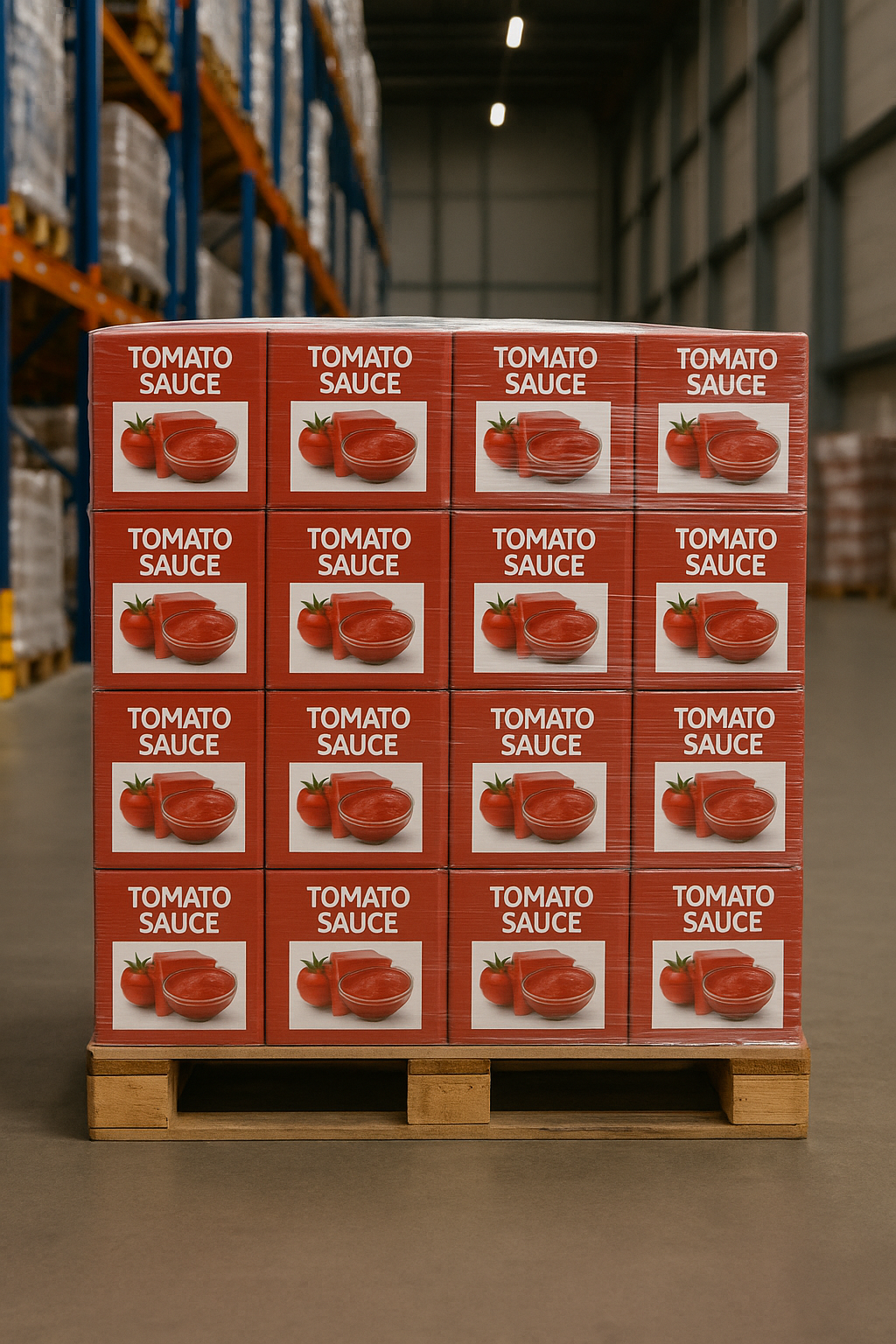
In LTL, a truck is not filled with goods from a single customer. Instead, multiple smaller shipments are combined. For example, a carrier may transport pallets or consolidated shipments for several customers at once. Along the route, goods are delivered to multiple locations, often involving cross-docking at hubs or warehouses.
Advantages and disadvantages of LTL transport
The biggest advantage of LTL is cost efficiency—you only pay for the space you use. This makes it especially attractive for smaller businesses with limited shipping volumes and budgets. It is also efficient when delivering to multiple destinations, as one logistics partner coordinates the entire process.
However, there are also drawbacks. Because shipments are combined, reloading is often required, increasing the risk of damage and extending delivery times. Routes are less direct, and the process involves more planning and administration. Delays may also occur during loading and unloading.
When should you choose LTL transport?
LTL is a good option when shipping smaller volumes that are too large or heavy for courier services. It is ideal when delivery time is less critical and cost savings are a priority. Typical LTL shipments include building materials, electronics, and appliances. However, it is less suitable for goods that depend on fast delivery, such as fresh food products.
Summary
National long-distance transport and international road transport are becoming increasingly important, especially as companies expand their partnerships across borders. Transporting goods is a responsible task, which is why professional logistics providers, like Axell Logistics, ensure proper organization and safe handling throughout the entire process.
Choosing the right transport method starts with proper consultation. Both FTL and LTL offer distinct advantages, and the best choice depends on the volume and nature of your goods. If you have large volumes and speed is critical, FTL is the best option. If you are shipping smaller quantities and time is less important, LTL is the more cost-efficient solution.