











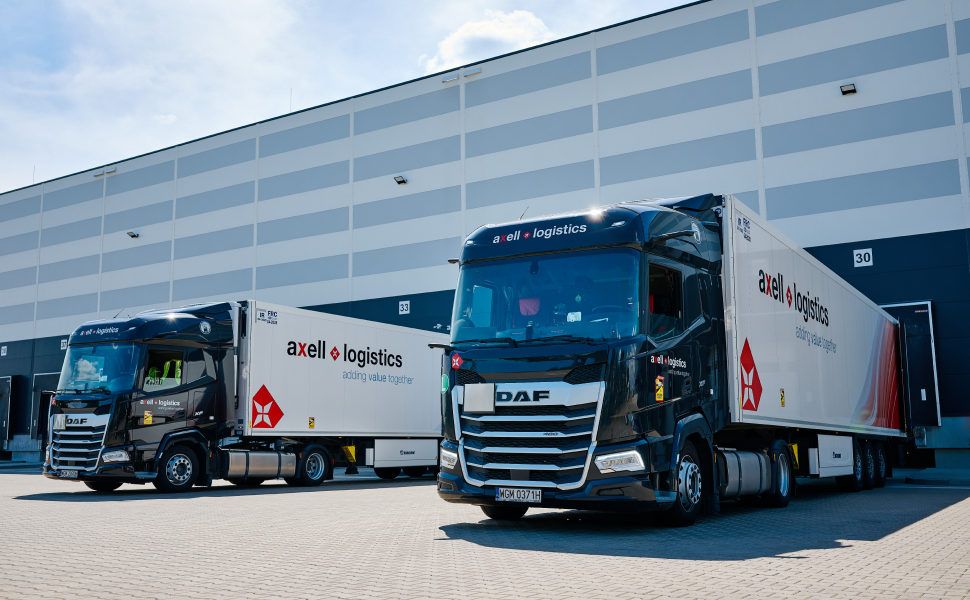
What is transport? Transport refers to moving goods from one location to another. In logistics, it specifically involves the efficient, safe, and timely movement of goods within the supply chain.
For businesses, transport is a crucial part of daily operations. Without well-organised transport, delays, rising costs, and disruptions in delivery processes occur.
Definition
Transport includes all activities required to move goods, such as planning, loading and unloading, and selecting the appropriate mode of transport. The goal is always the same: delivering the right goods, at the right time, to the right place. In a business context, transport is not just about movement, but about reliability, predictability, and control.
Types of transport
There are several types of transport, depending on distance, speed, and type of goods:
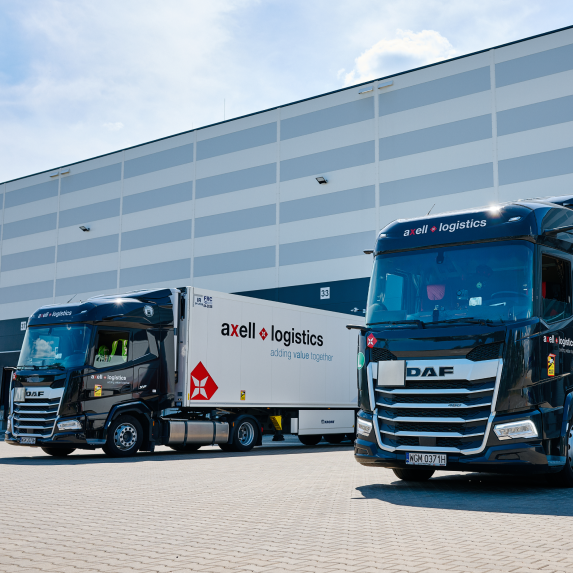
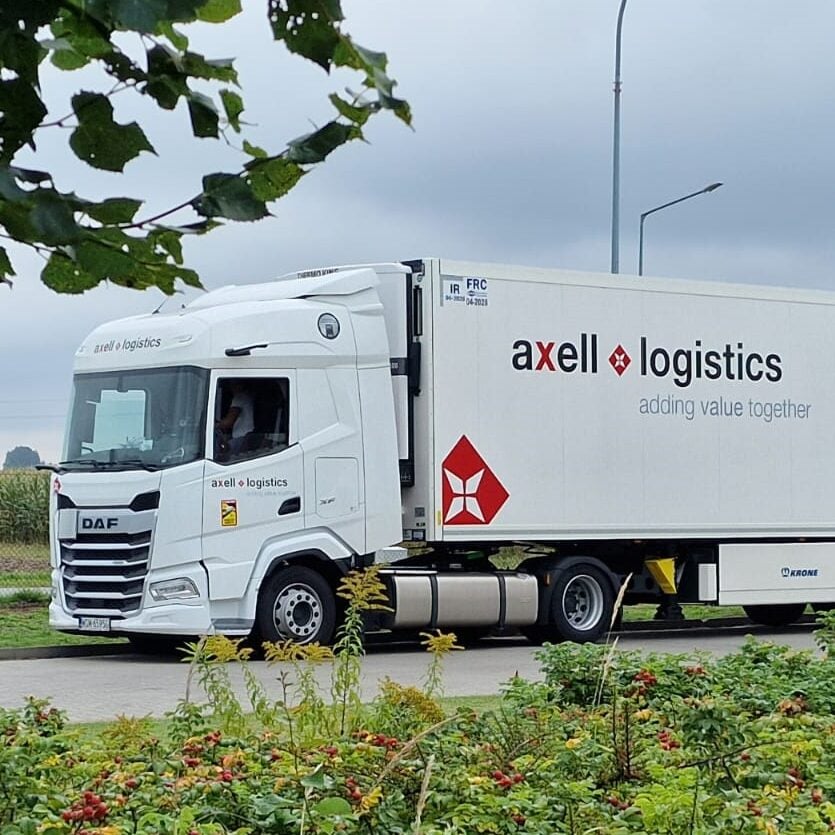
- Road transport: flexible and widely used across Europe
- Sea freight: suitable for large volumes and international trade
- Air freight: fast but more expensive
- Rail transport: efficient for large volumes over land
Companies often combine these methods to balance cost and delivery speed.
Why is transport important
Transport directly impacts business performance. It influences:
- Delivery reliability: customers expect on-time delivery
- Cost control: transport represents a large share of logistics costs
- Customer satisfaction: delays directly affect customer experience
A well-organized transport process ensures continuity and stability within the supply chain.
How companies organise transport
Companies can manage transport themselves or outsource it to a logistics partner.
Managing transport internally offers control but also introduces complexity and risk. That is why many organisations choose to work with specialists. This provides greater visibility, scalability, and efficiency.
By organising transport professionally, companies gain more control over their logistics processes and can better respond to growth and changing demand.
Want to learn more about optimising your transport processes? Visit our transport page.