













Choosing the right logistics partner plays a decisive role in how efficiently organisations can expand across Europe. The capabilities of a logistics provider directly influence delivery performance, operational flexibility and long-term supply chain stability.
As a result, many international brands carefully evaluate different 3PL companies in the Netherlands before committing to a structured logistics model. Although the Netherlands offers strong infrastructure and central access to major European markets, logistics providers differ significantly in how they support integration, scalability and operational continuity. A well-informed selection process helps organisations avoid costly restructuring and build a resilient logistics foundation for European growth.
1. Proven operational experience
When assessing 3PL companies in the Netherlands, operational experience should be one of the first evaluation criteria. Providers with a strong track record in international logistics are typically better equipped to manage cross-border distribution challenges, fluctuating demand patterns and peak-season volumes.
Experience contributes to more stable service levels and helps organisations maintain predictable delivery performance across multiple European destinations. This reliability becomes increasingly important as distribution networks grow and customer expectations continue to rise.
2. Scalable warehousing capacity
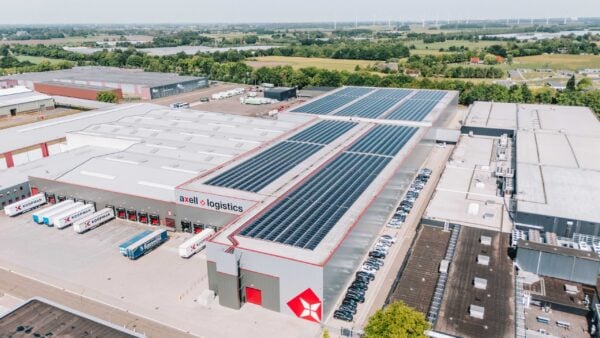
European expansion often results in changing inventory requirements. A logistics partner must therefore be able to provide flexible warehouse capacity that can grow alongside the organisation’s distribution footprint.
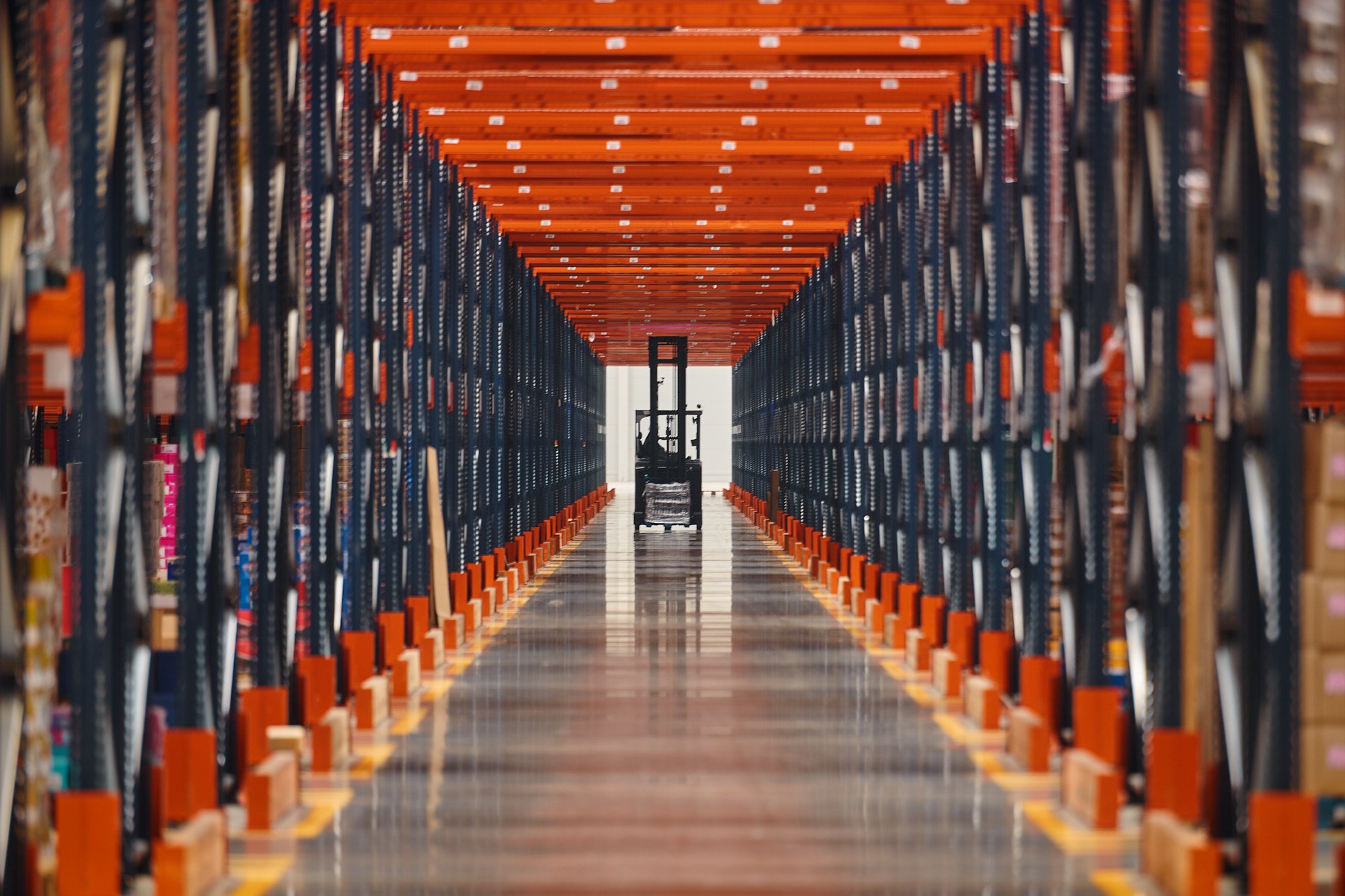
Decision-makers frequently examine how warehouse infrastructure supports inventory visibility, handling efficiency and long-term operational continuity before selecting a provider. Many organisations therefore take time to review how scalable warehouse environments and inventory control processes are structured within professional logistics operations when comparing potential partners.
Selecting a provider without sufficient expansion potential can lead to capacity constraints, higher handling costs and the need to redesign logistics networks at a later stage.
3. Integrated fulfilment capabilities
Fulfilment performance has a direct impact on customer satisfaction and brand perception. Organisations comparing 3PL companies in the Netherlands should therefore assess how order processing, returns management and service coordination are integrated into overall warehouse operations.
A logistics partner that manages fulfilment within a single operational framework can help maintain consistent service quality and improved delivery reliability across multiple markets. Companies evaluating this capability often explore how professional providers organise order preparation workflows and returns handling processes in practice, for example by reviewing how integrated fulfilment operations are structured within warehouse logistics environments.
Without this level of integration, organisations may face fragmented processes and reduced visibility throughout the supply chain.
4. Availability of value-added logistics services
In many industries, logistics operations extend beyond storage and distribution. Activities such as product configuration, labelling, repacking and quality control are often required to prepare goods for local market requirements.
When reviewing 3PL logistics services in the Netherlands, organisations should consider whether providers can incorporate these activities into daily operational workflows. Businesses seeking greater supply chain flexibility often investigate how value-added logistics services are embedded within contract logistics environments to support faster market entry and improved product handling .
A lack of value-added capabilities can result in additional logistics steps, longer lead times and increased operational complexity.
5. European distribution performance
The effectiveness of 3PL companies in the Netherlands becomes most visible in outbound distribution execution. Organisations should evaluate how efficiently providers coordinate deliveries to key markets such as Germany, France, Italy, Spain and the Benelux region while maintaining reliable transit times and balanced transport costs.
Strong distribution performance supports higher customer satisfaction, better service predictability and improved control over logistics spending, particularly when using the Netherlands as a central hub for European operations.
6. Technology integration and supply chain visibility
Digitalisation plays an increasingly important role in logistics management. When comparing providers, organisations should assess whether systems for real-time inventory tracking, operational reporting and performance monitoring are available.
Access to accurate logistics data enables companies to make better planning decisions and respond more effectively to demand fluctuations. Technology integration also helps reduce the risk of communication gaps and operational inefficiencies between logistics partners and internal supply chain teams.
7. Long-term partnership mindset
European logistics expansion is rarely achieved through short-term operational decisions. Organisations often need a logistics partner that supports gradual scaling, network optimisation and strategic supply chain alignment over time.
Companies taking a long-term perspective frequently want to understand how logistics partnerships contribute to broader European distribution strategies. Many organisations therefore explore how a centralised 3PL setup in the Netherlands can improve distribution performance and support scalable growth across multiple markets.
Making the right choice for European logistics growth
Evaluating different 3PL companies in the Netherlands requires a structured assessment of operational expertise, service integration and scalability potential. A well-considered selection process helps organisations reduce supply chain risk, maintain delivery continuity and build a logistics model that supports sustainable European expansion.
By selecting a logistics partner with the right infrastructure, experience and strategic mindset, companies can strengthen their competitive position and create a stable foundation for long-term growth in European markets.