



















Investing in safety, skills and compliance
At Axell Logistics, safety, quality and professional development go hand in hand. That is why we regularly organise Code 95 training for our drivers in the Netherlands, with a clear focus on both legislation and practical, day-to-day safety within logistics operations.
The training combines theory and practice and supports our drivers and logistics professionals in working safely and responsibly with internal transport equipment, now and in the future.
What is Code 95 training?
Code 95 is a mandatory qualification for professional drivers within the European Union. It forms part of the Certificate of Professional Competence (CPC) and ensures that drivers keep their knowledge of safety, legislation and operational best practices up to date.
To keep Code 95 valid, drivers must complete 35 hours of periodic training every five years. These training hours cover a range of topics, such as safety awareness, operating equipment, legislation and working efficiently within logistics processes.
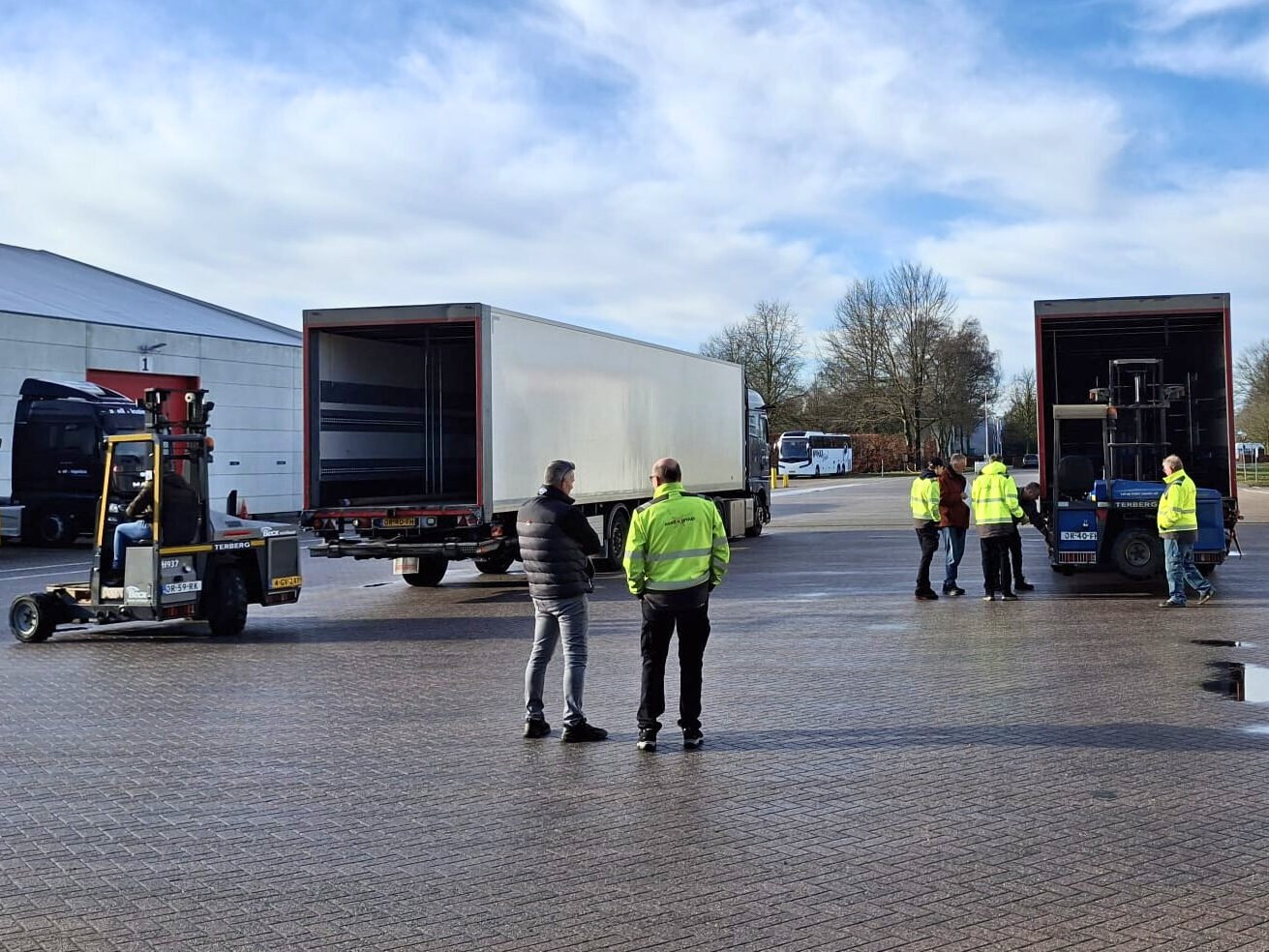
What does the Code 95 training cover?
During this full-day programme, participants renew or obtain several important certifications through a combination of theory and practice, including:
- Periodic Code 95 training
- Forklift certificate renewal
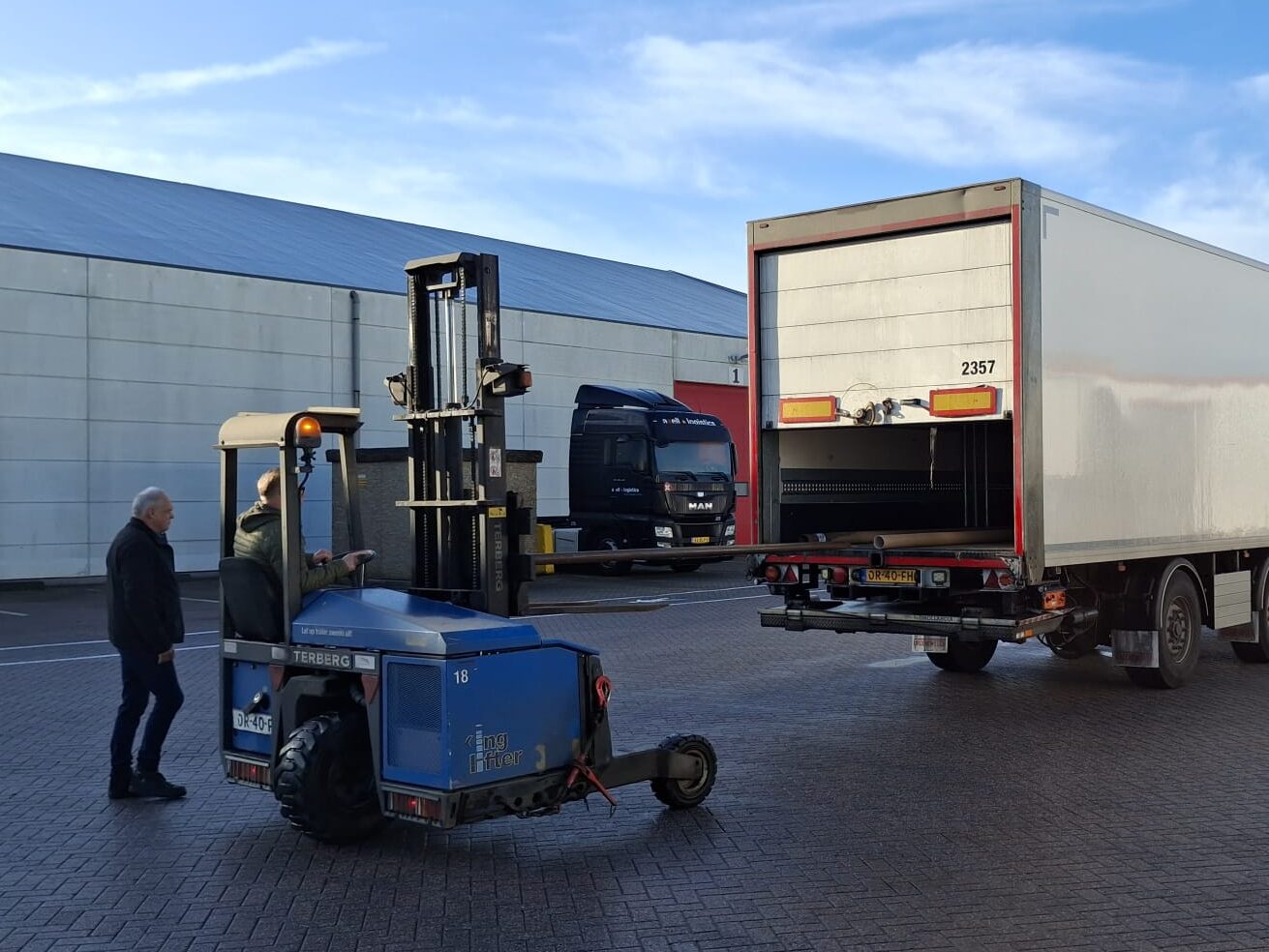
- Truck-mounted forklift (meeneemheftruck) certificate renewal
- Electric pallet truck certification
This approach ensures that participants not only refresh their knowledge, but also apply it directly in realistic working situations.
Day programme: theory, practice and breaks
The training covers a full day and offers sufficient time for in-depth learning, interaction and hands-on experience.
During the theory sessions, we cover safety regulations, risk awareness, legal responsibilities and correct working procedures. In the practical sessions, participants work with the various machines under professional supervision and practise, among other things, safe manoeuvring, daily safety checks and correct use of the equipment.
This balanced setup ensures that safety procedures are not only clearly understood, but also consistently applied in daily logistics operations.
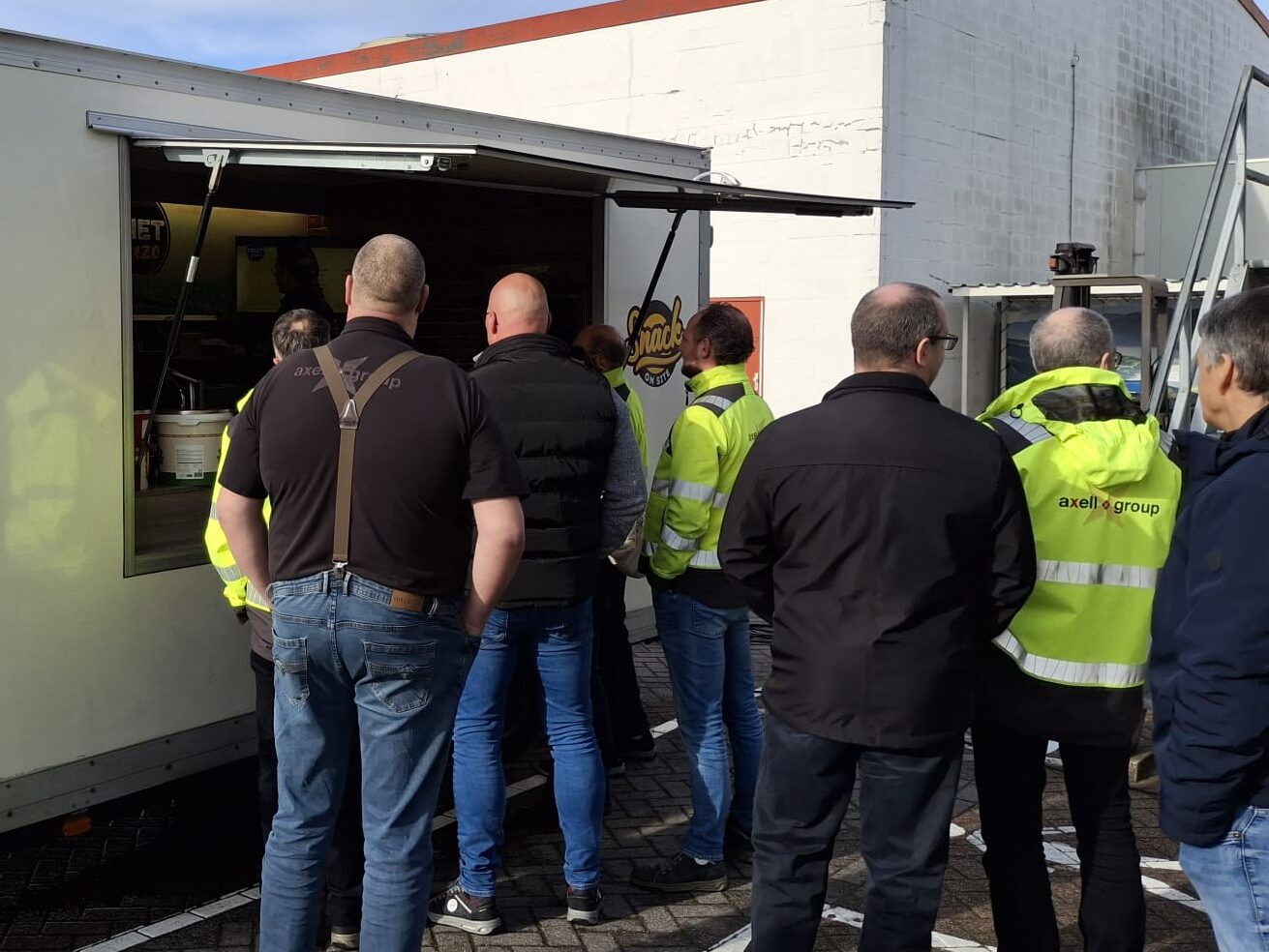
Who is Code 95 training intended for?
Code 95 training is intended for professional drivers and logistics employees who work with forklifts, truck-mounted forklifts or electric pallet trucks as part of their daily activities.
For many participants, the training is a recurring requirement. At the same time, it provides a valuable opportunity to refresh skills, exchange experiences and strengthen a shared safety mindset.
The goal: safe and responsible use of equipment
The objective of the training day is clear: to learn how to use logistics equipment safely, responsibly and efficiently.
By continuously investing in training, we reduce operational risks, help prevent accidents and create a safe working environment for employees, partners and customers.
Certification after completion
After completing the training day, all participants receive a forklift certificate valid for five years, in accordance with applicable regulations.
The completed training hours also count toward the mandatory periodic Code 95 training requirement.
Participants leave the training fully certified, compliant and ready to continue their work safely within Axell Logistics.
Continuous improvement in logistics operations
At Axell Logistics, training goes beyond compliance alone. We focus on quality, reliability and long-term partnerships. Well-trained employees play a crucial role in delivering consistent logistics performance, particularly within our warehouse operations, where safety, accuracy and efficiency are essential every day.
By regularly organising training programmes such as Code 95, we actively invest in workplace safety, professional development and operational continuity. In this way, we contribute to the high-quality logistics solutions our customers rely on every day.
Looking for a logistics partner that structurally embeds safety and quality into its daily operations? Contact our logistics specialists today.
