



















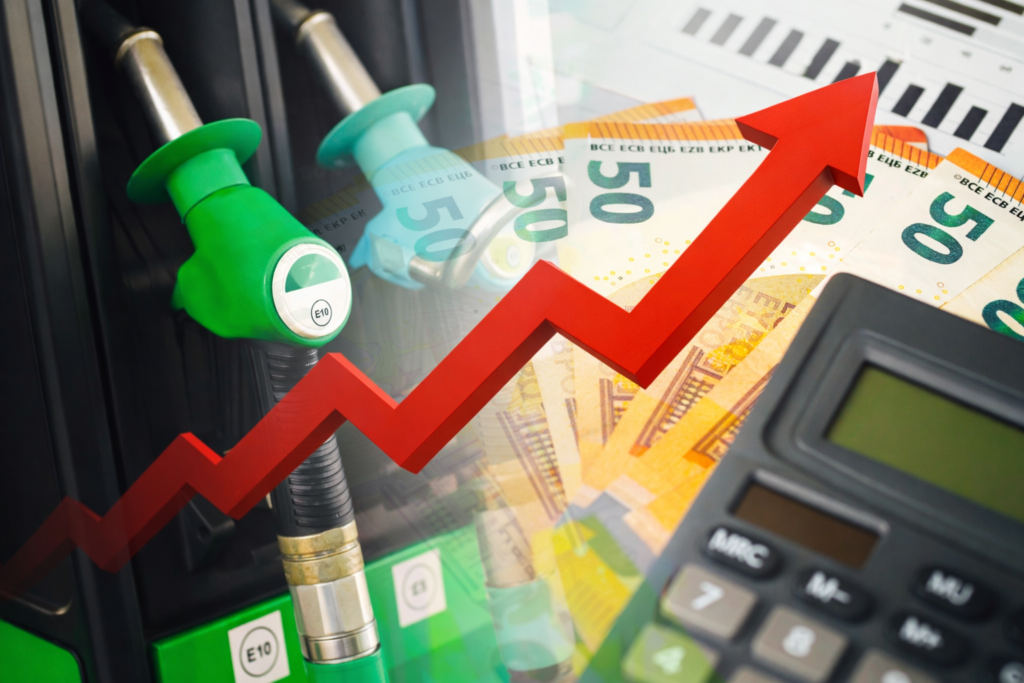
Fuel price volatility is back in the European transport market
Fuel price volatility is once again having a significant impact on the European logistics sector. Due to geopolitical tensions and fluctuations in the energy market, diesel prices are changing more rapidly than before. This directly affects transport costs and makes cost forecasting more complex for shippers.
For organizations that rely on road transport, it is becoming increasingly important to understand how these price movements affect contracts and pricing structures.
Why fuel prices play such a major role in transport
Fuel is one of the largest variable cost components in road transport. In many operations, it can account for up to 30% of total transport costs. When fuel prices rise, this has an immediate impact on the cost of transport.
The main drivers behind this volatility include:
- geopolitical developments (such as tensions in the Middle East)
- changes in global energy demand
- European regulations and environmental policies
- currency fluctuations
This combination makes it increasingly difficult to maintain fixed transport rates.

What is a fuel surcharge (BAF) in logistics
To manage these fluctuations, the logistics sector uses a fuel surcharge, also known as a BAF (Bunker Adjustment Factor).
This is a variable surcharge added to the base transport rate, based on current fuel prices.
In practice, it works as follows:
- a baseline fuel price is agreed
- when prices increase, a surcharge is applied
- when prices decrease, the surcharge is reduced
This mechanism ensures a balanced distribution of risk between shippers and logistics providers.
Why fuel surcharge models have become essential
Where fuel surcharges were once an addition, they have now become an essential part of transport contracts.
Without a structured model, rates would need to be constantly renegotiated. This would lead to:
- unpredictable costs
- operational delays
- reduced supply chain stability
Fuel surcharge models provide:
- transparency in cost structures
- predictable contract frameworks
- flexibility in response to market changes
In a volatile market, these models create stability and continuity.
How logistics partners manage fuel price volatility
Professional logistics providers actively take measures to limit the impact of fuel fluctuations, such as:
- index-based fuel surcharges
- regular price updates (weekly/monthly)
- route and load optimization
- transparent communication with customers
This ensures transport remains reliable, even during strong price fluctuations.
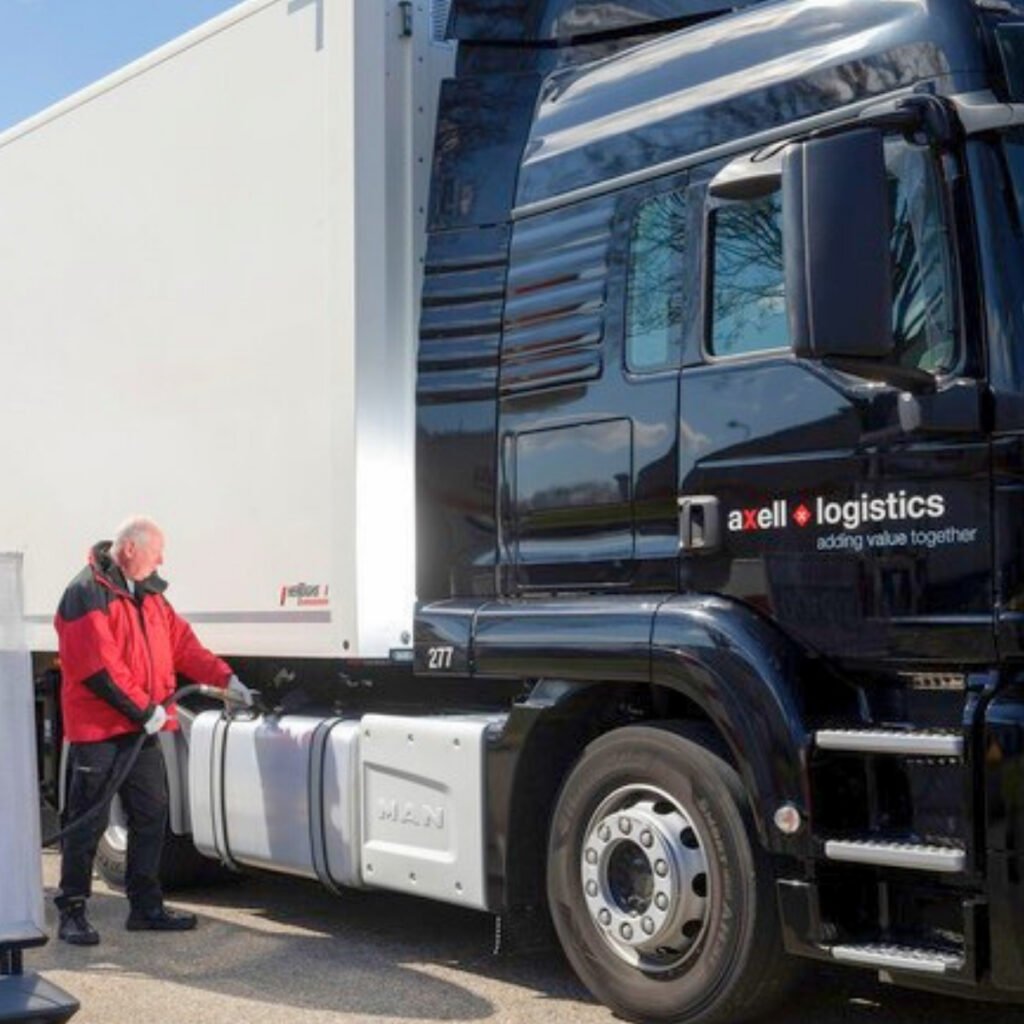
What to expect in 2026
Fuel price volatility is expected to remain a structural factor in European road transport.
Key developments:
- Energy markets remain sensitive to geopolitical dynamics
- Sustainable fuels are reshaping pricing structures
- Costs continue to be partly variable
For companies, this means that understanding price mechanisms is no longer a competitive advantage, but a necessity.
What this means for your organization
Organizations that actively manage transport costs take into account:
- variable cost components in contracts
- transparency in pricing models
- collaboration with logistics partners who communicate proactively
This helps avoid surprises and ensures better control over the supply chain.
Would you like insight into how fuel developments impact your transport costs and how to maintain control?
Feel free to explore our transport solutions or request a no-obligation consultation.
