
















The key stages of the warehouse process are essential for anyone looking to manage the supply chain efficiently. In logistics, every detail matters, and understanding each stage is not just useful—it is critical.
In this article, we explain the different stages, emphasizing their importance and impact on overall performance. Understanding each step helps improve efficiency, reduce costs, and increase customer satisfaction.
Why is it important to understand the warehouse process?
Warehouse management goes beyond simple storage. The process consists of five main stages: goods receipt, storage and maintenance, order picking, shipping and distribution, and returns and complaints handling.
Each stage requires a specific approach, precision, and the application of best practices to optimize warehouse space and ensure smooth operations. By understanding how these stages are interconnected, you can reduce errors, control costs, and exceed customer expectations.
Stage 1 – Goods receipt
This is the foundation of a well-functioning warehouse. Incoming goods are checked for accuracy, quality, and condition.
Key steps include thorough inspection, quality control, and proper registration. Goods are labeled and entered into the warehouse system, which is essential for inventory management. Errors at this stage can cause issues throughout the entire process, making accuracy and structure crucial.
Challenges: Managing goods flow and product identification
Best practice: Use automated scanning and labeling systems to reduce errors
Stage 2 – Storage and maintenance
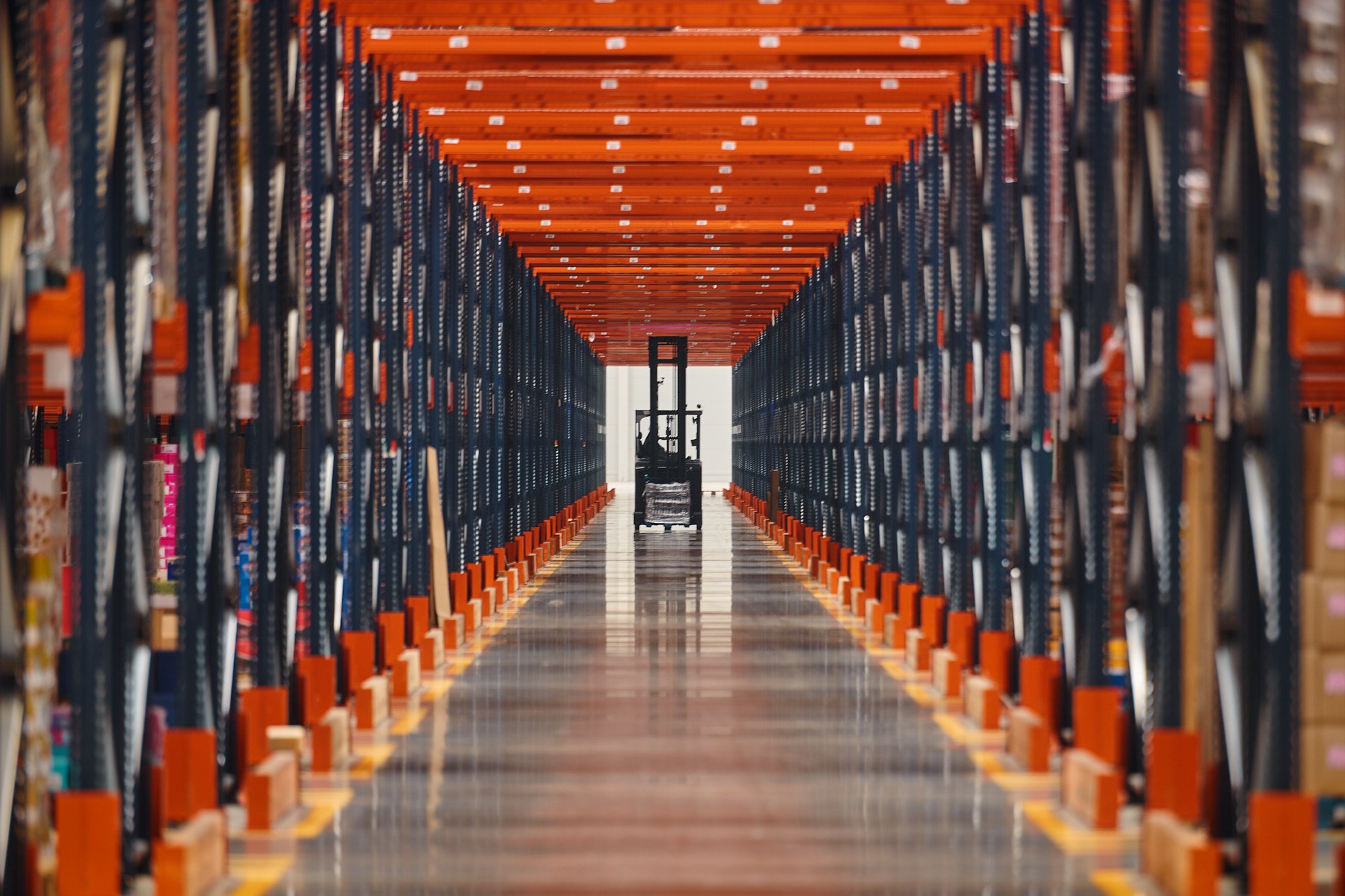
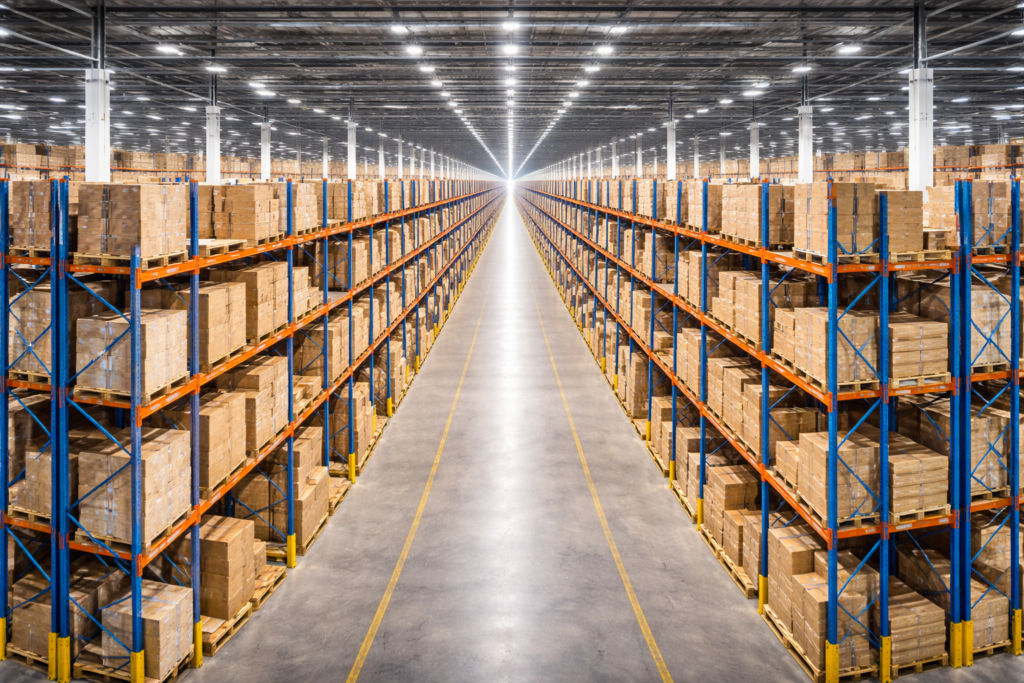
After receipt, goods are stored efficiently. Optimizing available space and ensuring proper storage conditions (such as temperature or humidity) are essential to maintaining product quality. Regular inventory checks help prevent waste. Shelf life and stock levels are often managed through a WMS system. Storage is therefore not just about space, but also about maintaining product condition.
Stage 3 – Order picking
In this critical stage, goods are collected and prepared for shipment. Speed and accuracy are essential.
An advanced WMS supports employees in locating products and following optimal picking routes. Barcode scanning is key to minimizing errors. Proper packaging is also important to prevent damage during transport. A well-organized order picking process directly contributes to customer satisfaction and a strong brand reputation.
Stage 4 – Shipping and distribution
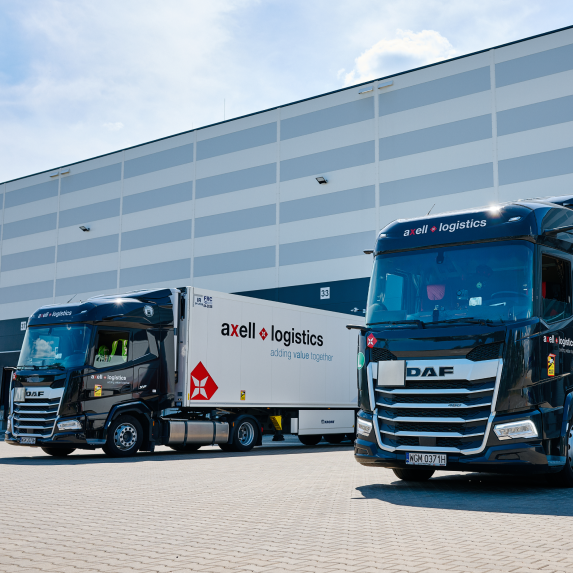
At this stage, goods leave the warehouse and are delivered to the customer.
Logistical precision is crucial—from route planning and transport selection to timely delivery. TMS systems and GPS tools help optimize routes and reduce transport costs. Real-time tracking provides customers with visibility into their orders and increases transparency.
Efficient execution of this stage is essential for on-time delivery and customer trust.
Stage 5 – Returns and complaints handling
This final stage is often challenging but also an opportunity to build customer loyalty.
Fast and clear handling of returns and complaints requires well-defined processes and flexibility. Products are inspected and processed, while complaints are resolved quickly. Customer feedback is also used to improve products and services. A strong returns policy helps reduce losses and strengthens brand reliability.
Manage your warehouse process efficiently
Each stage, from goods receipt to returns handling, requires precision and attention.
By organizing these stages effectively, you not only improve operational performance but also strengthen your competitive position. Whether it involves technology, processes, or people, continuous optimization is key to success in the ever-changing logistics landscape.