









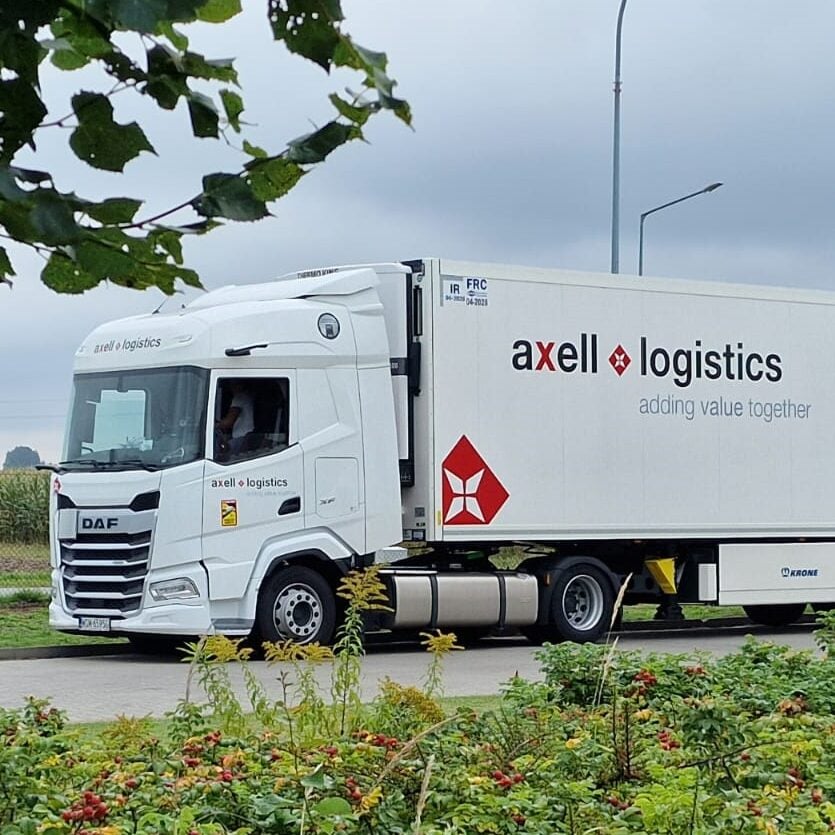




Multimodal transport is a form of freight transportation in which multiple modes of transport are combined within a single transport route. For example, a shipment may first be transported by truck, then by train or vessel, and finally delivered by truck to its final destination.
This form of transport is widely used within international supply chains. By intelligently combining different modes of transport, companies can organize their logistics processes more efficiently and better respond to costs, capacity, and sustainability requirements.
What does multimodal transport mean?
In multimodal transport, two or more modes of transport are used to move goods from the sender to the recipient. This may involve road transport, rail transport, inland waterway transport, sea freight, or air freight.
A characteristic of multimodal transport is that the entire route is organized as one logistics solution. This gives the client greater visibility into the transportation process, while the goods are moved using the most suitable combination of transport modes.
The goal of multimodal transport is to combine the strengths of different transport methods within one efficient goods flow.
How does multimodal transport work?
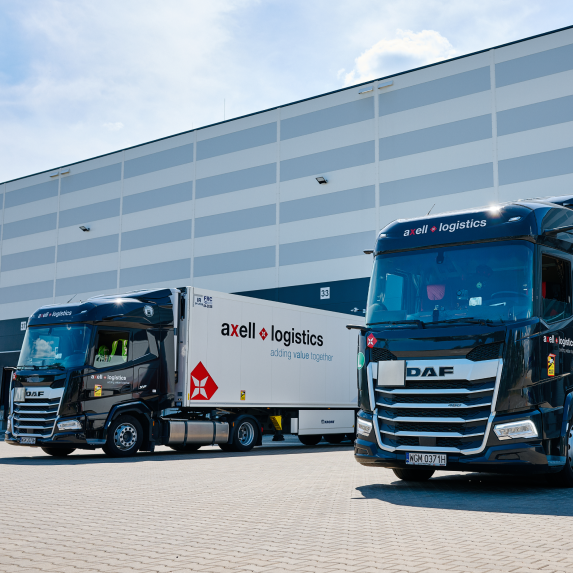
A multimodal transport operation often begins with road transport. A truck collects the goods from the supplier and transports them to a terminal, port, or rail transshipment point. The shipment is then transported further by rail, inland waterway, or sea freight.
When the goods arrive close to their final destination, road transport handles the last part of the route. This creates a logistics chain in which multiple modes of transport connect seamlessly.
Modern logistics systems make it possible to plan and monitor these complex transport flows. Thanks to real-time visibility, companies can track the progress of shipments and respond more quickly to potential delays.
What does this mean in practice?
Multimodal transport is primarily used for international goods flows. Companies that distribute products throughout Europe regularly use combinations of road transport, rail transport, and inland waterway transport.
For example, if a manufacturer wants to transport goods from Poland to various European countries, part of the route may be completed by train or vessel instead of transporting the entire shipment by truck. This can result in lower costs, reduced traffic congestion, and lower CO₂ emissions.
For organizations with large volumes or international distribution networks, multimodal transport often provides additional flexibility. It also helps companies better cope with driver shortages or limited road capacity.
Benefits and considerations of multimodal transport
An important advantage of multimodal transport is the ability to optimize costs and efficiency. By intelligently combining different transport modes, companies can use the most suitable solution for each part of the route.
In addition, multimodal transport can contribute to sustainability goals. For example, rail transport and inland waterway transport often have a lower environmental impact than long-distance road transport.
At the same time, multimodal transport requires effective coordination. Because multiple transport modes are involved, schedules must be aligned accurately. Transfer points may also require additional attention to prevent delays or errors.
A successful multimodal transport process therefore requires visibility, planning, and strong cooperation between all parties involved.
How does a logistics partner support this?
Organizing multimodal transport requires specialized knowledge of international logistics, transport networks, and goods flows. For this reason, many companies choose to work with a logistics partner that can coordinate these processes.
With international transport, goods can be transported efficiently between different countries and logistics hubs. By combining the right transport modes, a solution can be created that aligns with the desired delivery time, cost structure, and capacity requirements.
Distribution also plays an important role in delivering goods to the final destination. For companies looking to further integrate their logistics processes, contract logistics can ensure better coordination between warehousing, inventory management, and transportation.