










Co-packing is the outsourcing of packaging activities to a specialized logistics partner. This may involve products being packed, repacked, bundled, labelled, or assembled before they are shipped to customers, retailers, or distribution centers. Within the supply chain, co-packing is often used to make logistics processes more efficient, scalable, and flexible.
For companies in retail, e-commerce, and consumer goods, co-packing can play an important role during promotional campaigns, seasonal peaks, and when meeting specific packaging requirements from customers.
What does co-packing mean?
The term co-packing stands for “contract packaging.” In this arrangement, a company outsources packaging activities to an external party that has the right people, processes, and facilities.
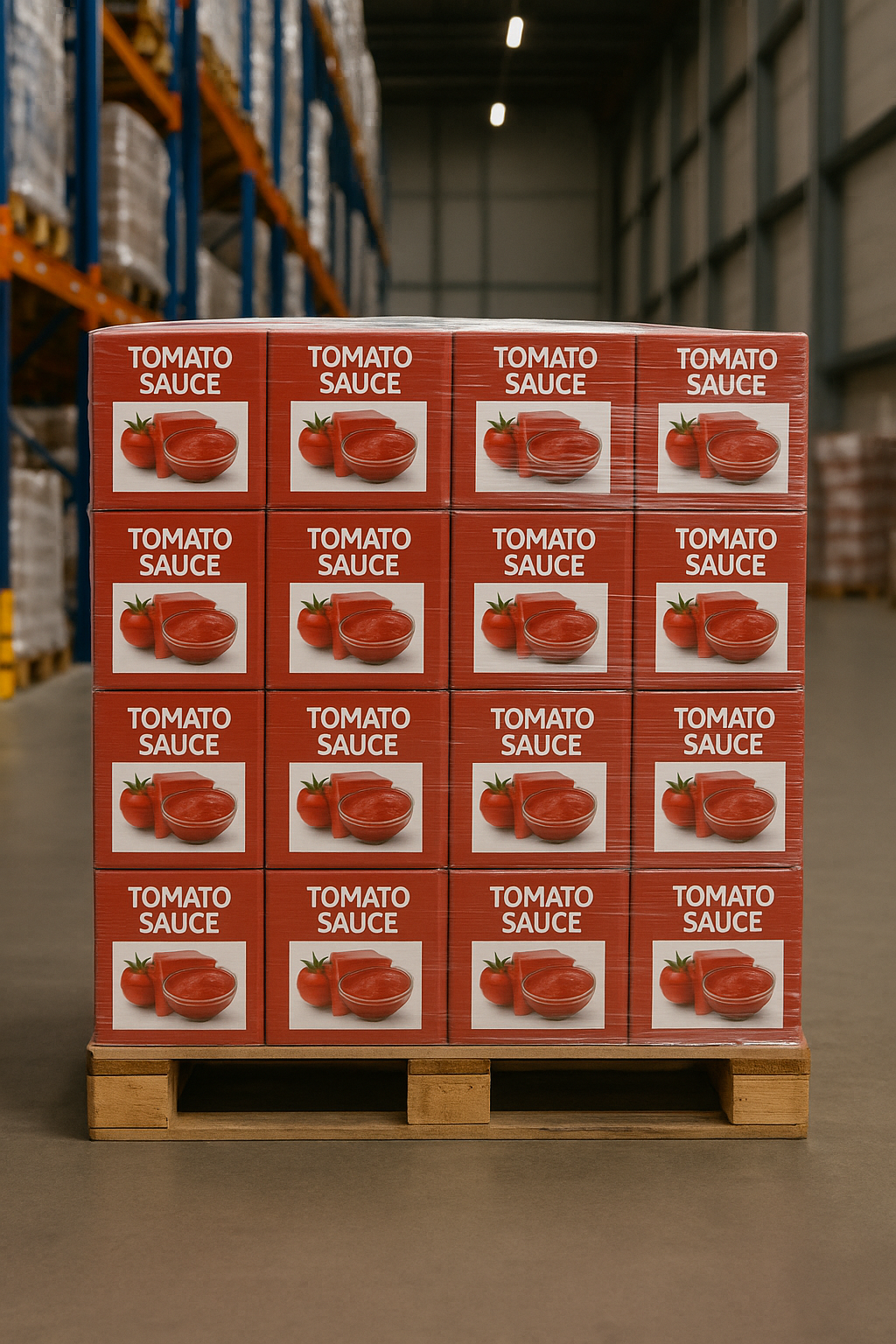
Co-packing goes beyond simply packaging products. Common activities include:
- Creating promotional packaging
- Bundling multiple products into a single sales package
- Applying labels or price stickers
- Repacking products for specific customers
- Adding manuals, samples, or marketing materials
This enables companies to respond more quickly to changes in the market without having to organize additional staff or packaging capacity.
What does co-packing mean in practice?
In practice, co-packing is often used when standard products need to be adapted for a specific sales promotion or customer.
For example, a personal care manufacturer may bundle a shampoo and conditioner into a temporary promotional package. A retailer may request specific labels or packaging instructions before products are shipped to stores.
Co-packing is also commonly used in e-commerce. Examples include gift packaging, product bundles, or special promotions during Black Friday and the holiday season.
Co-packing gives companies the opportunity to respond quickly to market developments without placing additional strain on their own logistics organization.
How does co-packing work?
The process usually begins after products have been received in a warehouse. The products are then processed according to pre-agreed instructions.
A standard co-packing process often consists of the following steps:
- Receipt and storage of products.
- Picking the required items.
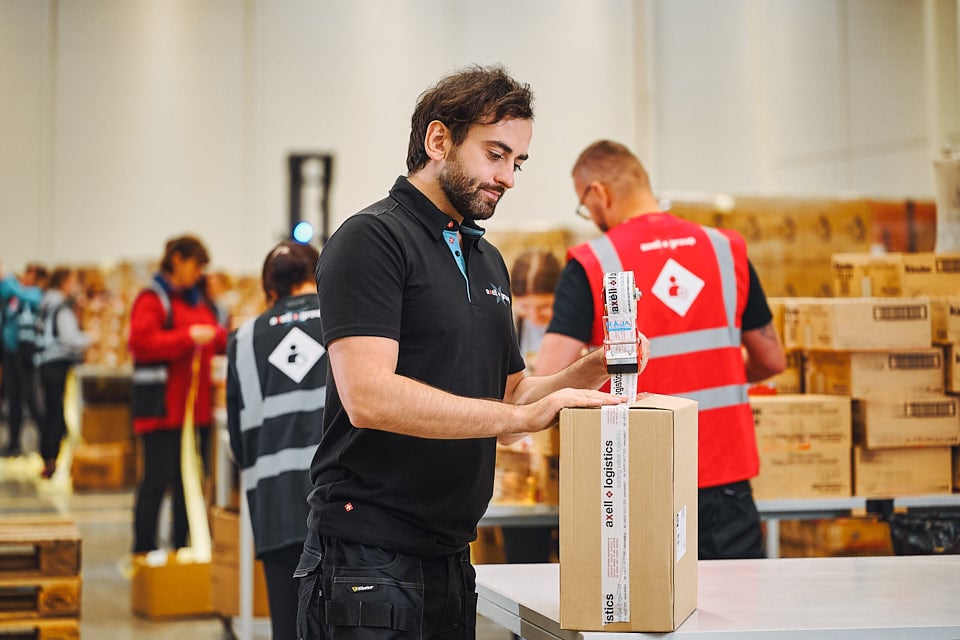
- Packing, bundling, or repacking.
- Quality and completeness checks.
- Shipping to customers, stores, or distribution centers.
Many logistics service providers combine co-packing with warehousing, inventory management, and distribution. This creates one integrated logistics process with fewer handover moments and greater visibility.
Benefits and considerations of co-packing
Benefits
Greater flexibility
Companies can easily scale up during promotions, seasonal campaigns, or peak periods.
Lower operational costs
There is less need for in-house staff, packaging space, and equipment.
Faster time-to-market
New products and campaigns can be rolled out more quickly.
Better focus on core activities
Internal teams can focus on sales, marketing, and product development.
Considerations
Clear process agreements are essential
Clear instructions and quality standards help prevent errors in the packaging process.
System alignment
Inventory information and order data must be exchanged correctly.
Choosing the right logistics partner
Experience with specific product categories, volumes, and retailer requirements can make a significant difference in daily operations.
How does a logistics partner support co-packing?
For many organizations, co-packing is part of a broader logistics strategy. A logistics partner can not only carry out packaging activities but also provide storage, inventory management, and distribution services.
Within warehousing, products are stored and prepared for further processing. Additional activities can then be carried out through Value Added Services, such as labeling, bundling, repacking, or kitting.
When these activities are combined within a broader contract logistics solution, they create one integrated process with greater control, visibility, and scalability.
Would you like to learn more about the role of co-packing within your supply chain? Explore how logistics processes can be supported through warehousing, Value Added Services, and contract logistics.