









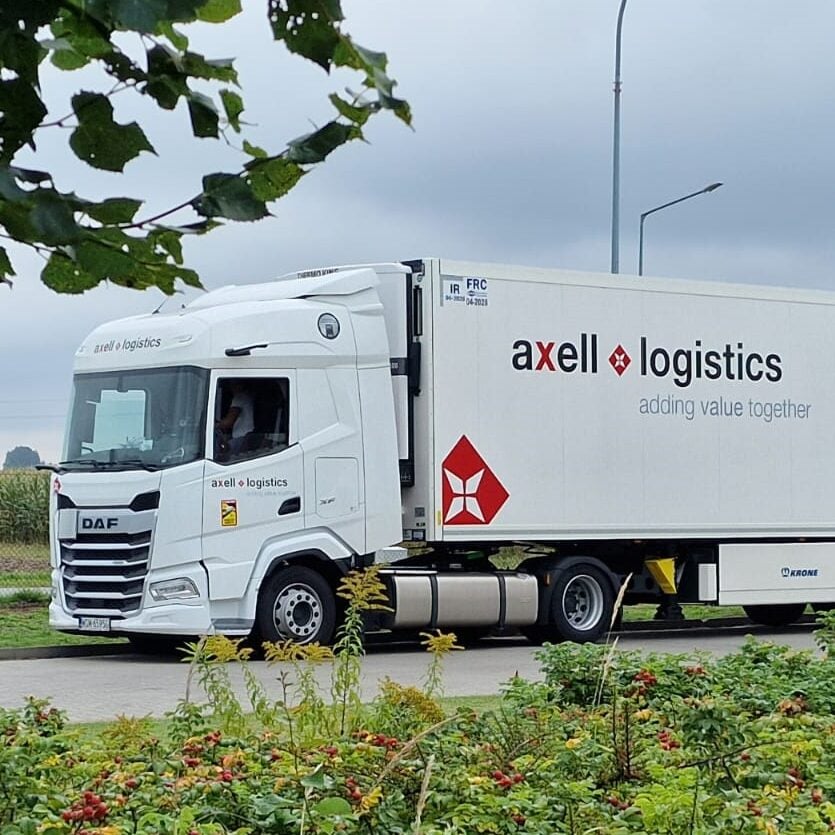





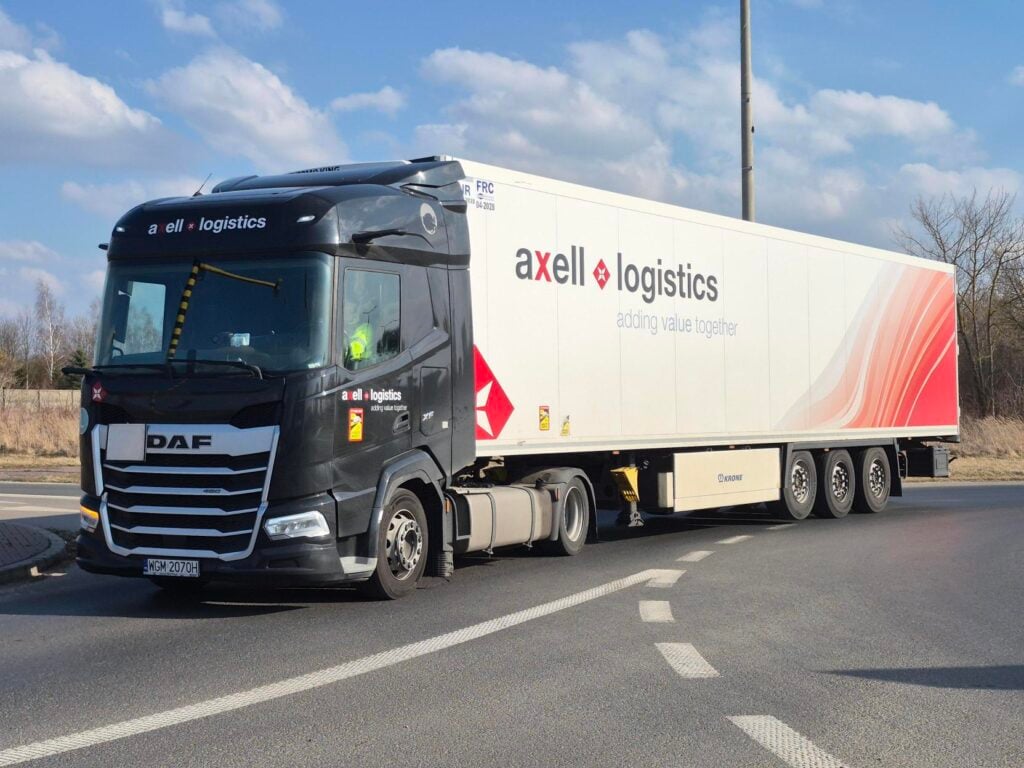
When you do not have enough goods to fill an entire truck, less-than-truckload (LTL) transport is often an efficient solution. In this approach, multiple shipments from different companies are combined into a single transport. By consolidating shipments intelligently, the available loading space is used as efficiently as possible. This reduces transport costs, decreases the number of trips and contributes to a more efficient supply chain.
Why are shipments consolidated?
Many companies regularly ship pallets or partial loads that are too large for parcel delivery but too small to justify a full truckload (FTL). In this situation, arranging a dedicated transport is often unnecessarily expensive.
By combining multiple shipments with a similar destination, region or route, transport planning becomes more efficient and the available capacity is utilised more effectively. This approach is commonly used in both groupage and LTL transport.
For businesses, this offers several advantages:
- Lower transport costs because transport capacity is shared.
- More efficient vehicle utilisation, reducing unused loading space.
- Fewer transport movements, which can contribute to lower CO₂ emissions.
- Greater flexibility when shipping volumes fluctuate from week to week.
How does shipment consolidation work?
Consolidating shipments is a carefully planned logistics process. Modern Transport Management Systems (TMS) continuously analyse which shipments can be combined most efficiently.
1. Registering the shipment
The shipper registers the shipment with information such as:
- dimensions;
- weight;
- collection and delivery address;
- preferred delivery date;
- any specific transport requirements.
This information forms the basis for the transport planning process.
2. Analysing available shipments
The transport planner determines which other shipments can be combined based on:
- destination;
- route;
- delivery window;
- available loading space;
- vehicle type.
This allows multiple customers to share the same truck without compromising transport efficiency.
3. Consolidation at a logistics hub
In many cases, goods are first collected at a distribution centre or cross-dock facility. Here, the various shipments are sorted again and consolidated into the most efficient load.
This working method also makes it possible to organise international routes efficiently, for example within international transport.
4. Optimised route planning
Once the load has been assembled, the Transport Management System determines the most efficient route. It takes into account:
- traffic information;
- delivery windows;
- drivers’ hours and rest periods;
- vehicle capacity;
- delivery priorities.
By combining these factors, a transport plan is created that is both efficient and reliable.
Which factors determine whether shipments can be consolidated?
Not every shipment can simply be combined with another load. Transport planners assess several factors, including the following.
Destination
The closer the delivery locations are to one another, the easier it is to combine multiple shipments.
Delivery windows
When customers require different delivery times, transport planning must be carefully coordinated to meet those requirements.
Product characteristics
Dimensions, weight and the nature of the goods play an important role. Not all products can be transported together or require the same handling conditions.
Available loading space
The objective is to utilise the available loading space as efficiently as possible without exceeding the vehicle’s maximum capacity.
What are the benefits of consolidating shipments?
Shipment consolidation offers several advantages for companies that regularly transport smaller loads.
Lower transport costs
You only pay for the space you use. Because multiple shippers share the same truck, transport costs are divided among them. This often makes LTL transport more cost-effective than booking a dedicated vehicle.
Better utilisation of transport capacity
By loading trucks more efficiently, fewer vehicles travel with unused loading space. This results in higher vehicle utilisation and a more efficient use of transport resources.
More sustainable logistics
Fewer transport movements generally result in lower CO₂ emissions per shipment. For organisations aiming to reduce their environmental footprint, shipment consolidation can therefore be an attractive option.
Flexibility with fluctuating volumes
Not every company has enough goods each day to fill an entire truck. LTL transport makes it easy to adapt shipments to changing order volumes without compromising delivery reliability.
Are there any considerations?
Although LTL transport offers many advantages, there are also several factors to consider.
Because multiple shipments are combined, careful planning and coordination are essential. In some situations, a full truckload (FTL) may be more suitable, for example when a delivery is highly time-critical or when a single shipment fills the entire vehicle.
In addition, effective transport planning, real-time visibility and clear communication are essential to ensure predictable deliveries.
What is the difference between groupage and LTL?
The terms groupage and LTL (Less Than Truckload) are often used interchangeably, but there is a difference.
With LTL transport, a truck is partially filled with one or more larger partial loads. As a result, there are relatively few collection and delivery addresses.
With groupage, many smaller shipments from different shippers are combined into one load. This generally results in more stops along the route.
The most suitable solution depends on factors such as shipment volume, destination, required delivery time and the complexity of the distribution process.
When should you choose LTL transport?
LTL transport is often the right solution when:
- you regularly ship one or more pallets;
- a full truckload is not cost-effective;
- your shipping volumes fluctuate significantly;
- you want to reduce transport costs without compromising reliability;
- you transport smaller loads nationally or internationally.
For larger shipment volumes or dedicated transport requirements, a full truckload may be the better choice.
How does a logistics partner support this process?
Efficiently consolidating shipments requires experience, smart transport planning and the right digital support. A logistics partner continuously evaluates which shipments can be combined, optimises transport routes and monitors the progress of every shipment.
By combining transport with additional logistics services such as contract logistics or warehousing, an efficient supply chain is created in which storage, order fulfilment and transportation work seamlessly together.
Would you like to learn more about efficient solutions for smaller shipments? Discover how groupage can contribute to a flexible and cost-effective transport strategy.