















IFS certification (International Featured Standards) is an internationally recognised certification that demonstrates an organisation complies with strict requirements for quality, food safety and process management. The various IFS standards have been developed for companies operating within the food supply chain and logistics sector, helping organisations manage risks, handle products safely and deliver reliable services.
For companies that store, process or distribute food products, IFS certification is often an important requirement for working with retailers, manufacturers and other international customers.
Why is IFS certification important?
Food safety and quality are central to the logistics chain. Manufacturers and retailers want to ensure that their products are handled under the correct conditions throughout storage and transportation. At the same time, legal requirements and customer expectations continue to become more stringent.
With IFS certification, an organisation demonstrates that it has standardised processes, clear quality procedures and an effective risk management system in place. This increases customer confidence and contributes to a reliable supply chain.
In addition, the certification helps companies continuously improve their processes and minimise errors or food safety risks.
Which IFS certifications are available?
The International Featured Standards consist of several different standards, each developed for a specific part of the supply chain.
For example, IFS Food is intended for food manufacturers, while IFS Broker is designed for trading organisations that purchase and sell products without processing them. For logistics service providers, IFS Logistics is the most relevant standard. This standard sets requirements for organisations responsible for the storage, transportation and distribution of food products and other goods.
The certification that applies depends on the activities carried out by the organisation.
How does IFS certification work?
To obtain an IFS certificate, an organisation must demonstrate that its processes comply with the requirements of the applicable standard. This is verified through an independent audit conducted by an accredited certification body.
During the audit, quality procedures, hygiene, traceability, risk management, documentation and the organisation of logistics processes are assessed. Auditors also verify whether employees follow established procedures and whether corrective actions are implemented consistently.
Following a successful audit, the organisation receives its certification. Regular reassessments are then carried out to ensure continued compliance with the required standards.
What are the benefits of IFS certification?
IFS certification offers organisations several benefits. First and foremost, it increases credibility with customers and supply chain partners. It also helps companies standardise processes, manage risks and continuously improve the quality of their services.
For logistics service providers, IFS certification also demonstrates that products are stored and transported according to controlled procedures. This is particularly important for organisations operating within the food supply chain.
Although obtaining and maintaining certification requires time and investment, it often provides a competitive advantage because many customers use recognised quality standards as part of their supplier selection process.
How does a logistics partner support this?
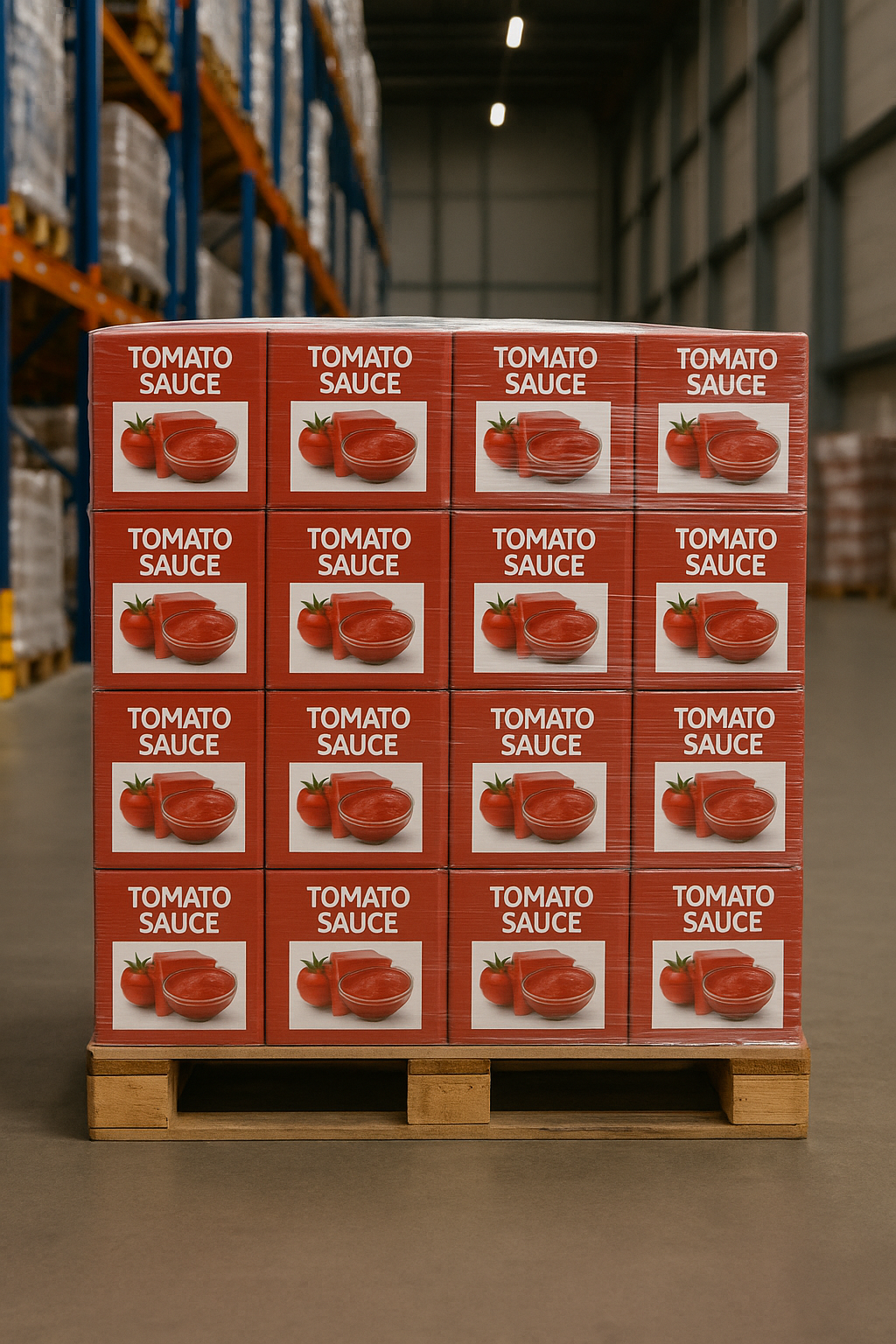
When food products or other sensitive goods are stored and distributed, a reliable logistics partner is essential. Standardised processes, effective traceability and careful inventory management help maintain the quality and safety of goods throughout the entire logistics chain.
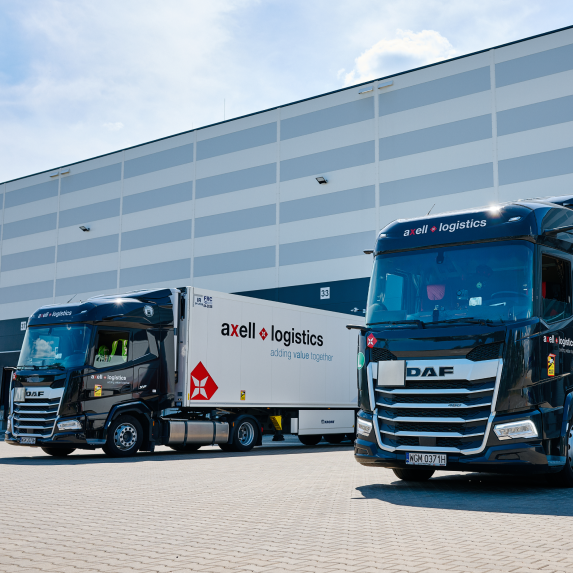
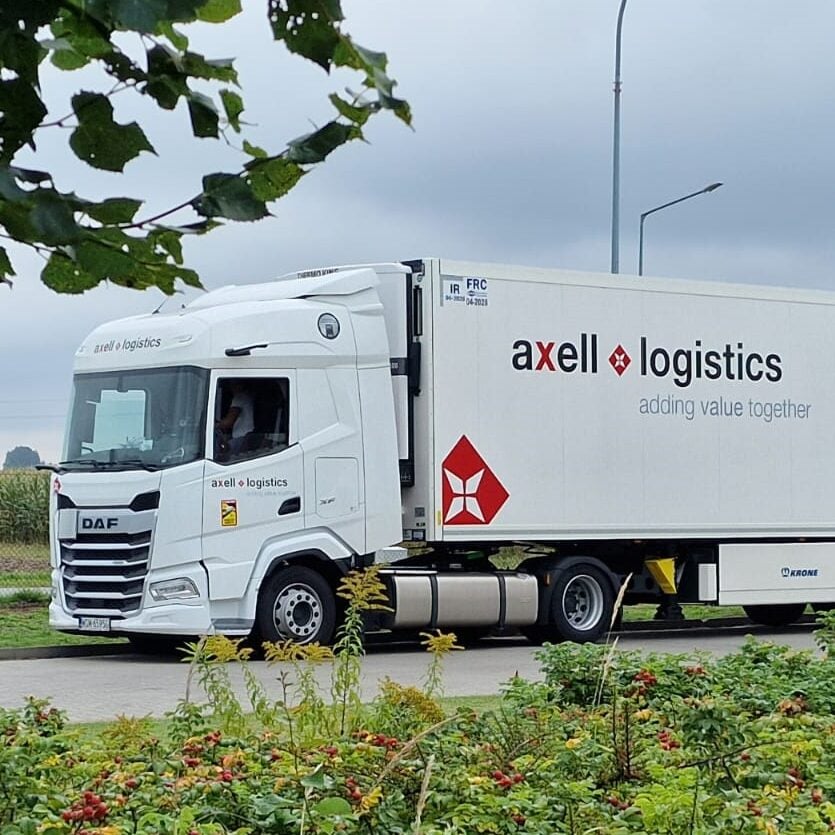
Axell Logistics holds an IFS Logistics certification, demonstrating that its logistics processes comply with internationally recognised quality standards for warehousing and distribution. Combined with modern Warehouse Management Systems (WMS) and real-time inventory management, Axell supports businesses with reliable and efficient logistics operations.
Would you like to learn more about our approach? Read more about warehousing, contract logistics, or discover how Third Party Logistics (3PL) can support your logistics processes.