














As of 12 August 2026, the European Union’s Packaging and Packaging Waste Regulation 2025/40 (EU PPWR) officially starts to apply. For businesses that manufacture, import, distribute or sell packaged products within the EU, this marks the beginning of a new regulatory framework that will influence far more than packaging alone.
For many organisations, PPWR is not simply another sustainability regulation. It may require changes to packaging specifications, supplier agreements, warehouse operations, transport planning and compliance processes. Companies that begin preparing now will be better positioned to avoid disruption, maintain compliance and improve operational efficiency as new requirements are introduced over the coming years.
This article explains what the PPWR is, why it matters, which businesses are affected and the practical steps organisations can take to prepare for the regulation while minimising its impact on day-to-day logistics operations.
What is the EU Packaging and Packaging Waste Regulation (PPWR)?
The Packaging and Packaging Waste Regulation (PPWR) is the European Union’s new framework designed to reduce packaging waste while creating a single set of packaging rules across all EU Member States. Unlike the previous Packaging and Packaging Waste Directive, which allowed Member States to introduce their own national rules, the PPWR is a directly applicable regulation. This creates a harmonised framework for businesses operating across the European market.
According to the European Commission, the regulation was introduced to address the continued growth of packaging waste while supporting the transition towards a circular economy. The PPWR establishes common rules designed to reduce unnecessary packaging, improve recyclability, increase the use of recycled materials and encourage reuse where appropriate.
The regulation covers the entire packaging lifecycle, including packaging design, material selection, recyclability, recycled content, labelling and waste reduction. Rather than focusing solely on environmental objectives, it also provides businesses with a more consistent regulatory framework across the EU, making cross-border compliance more predictable and transparent.
Which businesses are affected?
One common misconception is that PPWR only affects packaging manufacturers. In reality, the regulation impacts almost every organisation placing packaged products on the EU market, including:
- manufacturers;
- importers;
- distributors;
- wholesalers;
- retailers;
- e-commerce companies;
- fulfilment providers;
- logistics service providers.
Even companies that do not manufacture packaging themselves may need to review supplier agreements, packaging specifications and operational processes.
Businesses operating across multiple European countries are likely to benefit from the harmonised regulatory framework, but they must also ensure that internal compliance processes are aligned with the new requirements.
EU PPWR timeline and implementation schedule
Understanding the implementation timeline is essential for businesses planning future investments and compliance programmes.
| Date | Regulatory milestone | What this means in practice |
|---|---|---|
| 11 February 2025 | PPWR entered into force. | Start reviewing how the new regulation could affect your packaging portfolio, suppliers and long-term packaging strategy. |
| 12 August 2026 (today) | The first PPWR obligations officially apply. | Determine your role in the packaging chain (manufacturer, importer, distributor or another economic operator), identify which obligations apply to your packaging, and where applicable ensure packaging conformity assessments and declarations of conformity are in place. Companies developing new packaging or investing in packaging machinery should already design with PPWR requirements in mind. |
| 2026–2029 | The European Commission publishes delegated and implementing acts. | Monitor new technical rules covering recyclability, labelling, reporting requirements and packaging performance. Businesses should regularly review packaging specifications as additional requirements become legally applicable. |
| 2030 | Major sustainability targets become applicable. | Many packaging types must comply with stricter recyclability requirements, minimum recycled content obligations and packaging minimisation rules. Companies should expect packaging redesign projects and supply chain adjustments. |
| 2035 | Recyclability at scale requirements apply. | Packaging must not only be technically recyclable but also proven to be effectively recycled at scale, requiring continuous optimisation of packaging choices and material selection. |
Important: PPWR is not a single deadline but a phased transition. While the regulation officially applies from 12 August 2026, many technical requirements are introduced gradually through delegated acts and future implementation dates. Businesses should therefore view PPWR as a multi-year compliance programme rather than a one-off regulatory change.
Because the PPWR will continue to evolve through delegated and implementing acts, businesses should regularly monitor updates published by the European Commission. The Commission maintains a dedicated PPWR information page, while the official legal text and future amendments are available through EUR-Lex.
The first PPWR compliance steps for businesses
One of the most common questions businesses are asking is: Where should we start? While many of the PPWR’s technical requirements will be introduced gradually over the coming years, organisations do not need to wait before taking action. Building a clear understanding of your packaging portfolio and operational processes today will make future compliance significantly easier.
1. Map your entire packaging portfolio
Start by creating a complete overview of all primary, secondary and transport packaging used throughout your business. Understanding which materials, formats and packaging specifications are currently in use provides the foundation for assessing future PPWR requirements.
2. Assess whether your packaging is future-ready
Rather than only checking whether existing packaging complies with today’s requirements, evaluate whether it aligns with the direction of the PPWR. Review whether packaging contains unnecessary materials, excessive empty space or oversized formats that may require redesign in the future. Early assessments can help avoid costly packaging changes later while improving transport and storage efficiency.
3. Strengthen supplier collaboration
Reliable supplier information will become increasingly important under the PPWR. Businesses should ensure suppliers can provide accurate information on material composition, recycled content, recyclability and supporting technical documentation. Strong collaboration across the supply chain will simplify future compliance and reduce the risk of incomplete or inconsistent packaging data.
4. Treat packaging data as business-critical information
Packaging information should no longer be managed in separate spreadsheets or disconnected systems. Material specifications, recycled content data and technical documentation should be consistently available across procurement platforms, ERP systems and Warehouse Management Systems (WMS). High-quality packaging data supports both regulatory compliance and efficient day-to-day operations.
5. Define internal ownership
PPWR should not be viewed solely as a sustainability or compliance initiative. Successfully implementing the regulation requires collaboration between procurement, packaging specialists, quality teams, operations and logistics. Assigning clear responsibilities today will help your organisation respond more efficiently as additional delegated acts and technical requirements are introduced by the European Commission.
How PPWR affects logistics and supply chains
While PPWR primarily focuses on packaging, its impact extends far beyond product design. Changes to packaging specifications can influence warehouse operations, transport efficiency, fulfilment processes and inventory management throughout the supply chain. Businesses should therefore evaluate not only whether their packaging complies with the regulation, but also how those changes affect day-to-day logistics operations.
Warehouse operations
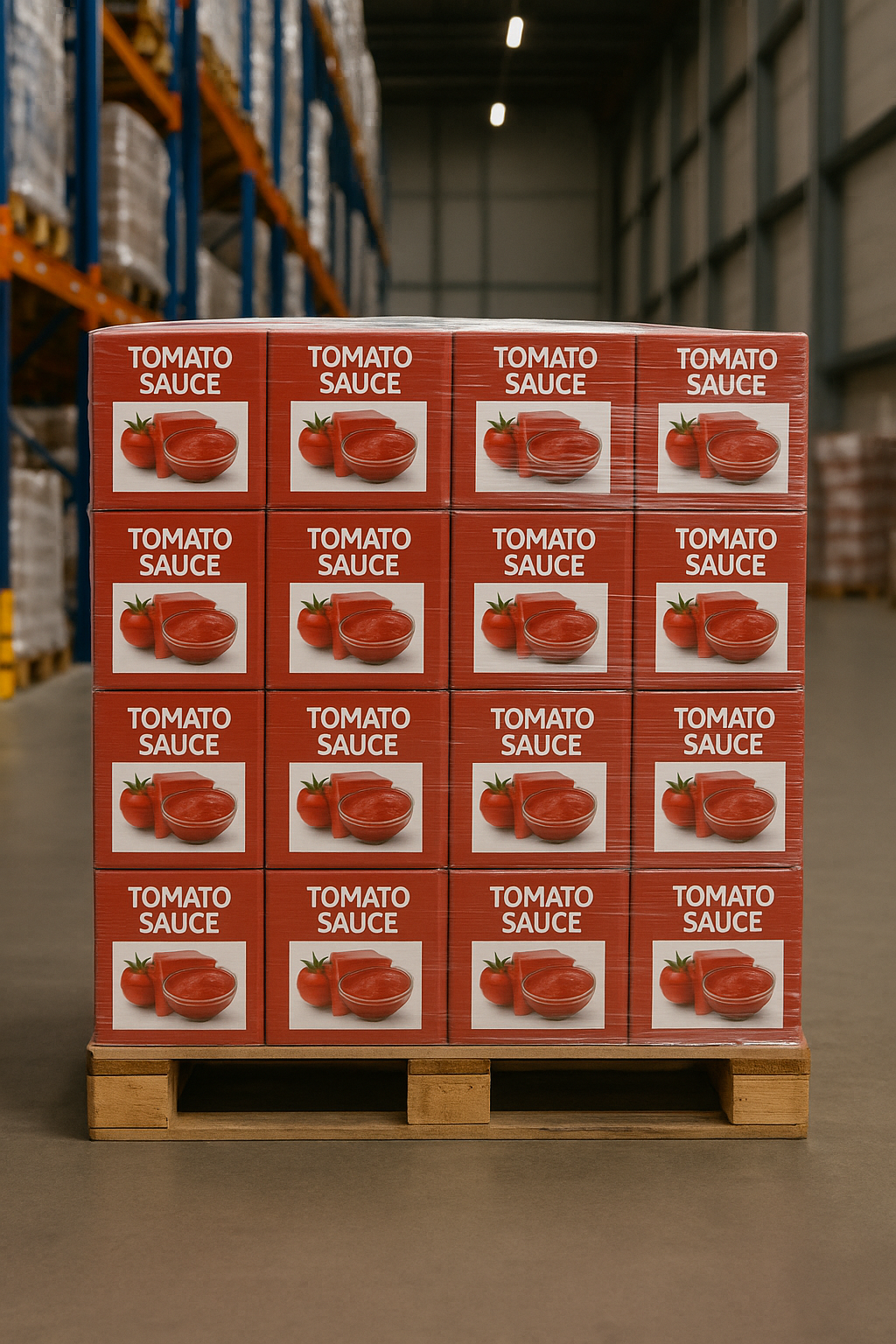
Even relatively small changes in packaging dimensions can have a significant operational impact. A slightly taller box or different pallet configuration may reduce storage density, alter picking processes and affect overall warehouse capacity. As packaging evolves, warehouse layouts and storage strategies may also require adjustment.
Transport efficiency
Packaging design directly influences transport performance. Changes in packaging dimensions or pallet patterns can affect trailer utilisation, loading configurations and transport costs. While improved packaging efficiency can reduce unnecessary air transport and lower emissions, businesses should also assess how redesigned packaging influences distribution planning and delivery efficiency.
Reverse logistics
The PPWR encourages greater use of reusable packaging systems for certain applications. As a result, more organisations may need to manage return flows alongside traditional outbound logistics. This introduces additional complexity in inventory management, transport planning and operational coordination.
Inventory management
Every packaging modification affects operational data. Warehouse Management Systems (WMS), ERP platforms and product master data should remain synchronised to ensure inventory accuracy, efficient order processing and reliable reporting. Accurate packaging data will become increasingly important as additional PPWR requirements are introduced.
Supply chain collaboration
According to the European Commission, achieving PPWR compliance requires close collaboration across the entire supply chain. Packaging manufacturers, suppliers, distributors and logistics partners will all need access to accurate packaging information and technical documentation. Strong data sharing and supply chain visibility will therefore become increasingly valuable as the regulation continues to evolve.
Looking beyond compliance
Preparing for PPWR is not only about achieving compliance. It is also an opportunity to optimise packaging, improve warehouse efficiency, increase transport utilisation and strengthen supply chain resilience.
Many organisations will discover that complying with PPWR is not simply a packaging challenge, but an operational one. Changes in packaging specifications often have a direct impact on warehousing, fulfilment and distribution processes throughout the supply chain.
If your organisation is assessing how the new regulation could affect day-to-day logistics operations, explore how Axell’s Third Party Logistics services can help build a flexible, scalable and future-ready supply chain that is prepared for changing regulatory requirements.
Callback request
Prefer direct personal contact? Leave your details and we will contact you shortly regarding your logistics inquiry.