

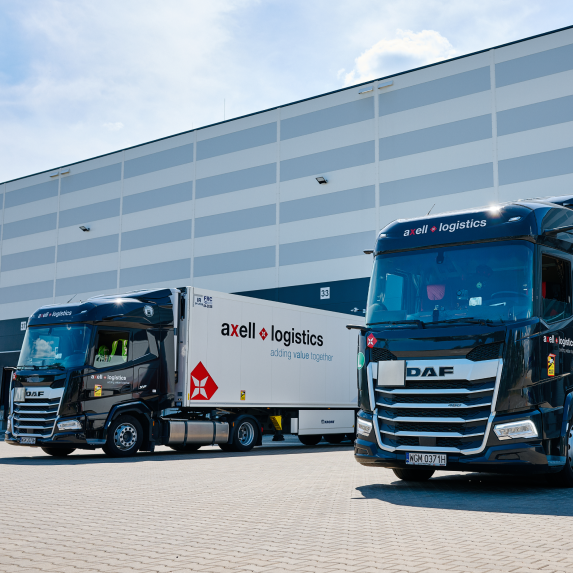













Fleet management is the management, planning, and optimization of a vehicle fleet within logistics processes. This involves vehicles, drivers, route planning, maintenance, fuel consumption, and real-time insight into transport flows. Within the supply chain, fleet management helps companies make deliveries more efficient, reliable, and manageable.
For organizations with their own vehicles or distribution activities, fleet management is important to maintain control over costs, planning, and delivery performance. Modern fleet management systems combine technology, data, and logistics processes to organize transport more intelligently.
What does fleet management mean?
Fleet management literally means vehicle fleet management. In practice, however, it goes far beyond simply managing vehicles. It includes all processes required to carry out transport efficiently and in a manageable way.
This includes route planning, maintenance, fuel management, real-time tracking, and performance monitoring. Modern systems provide companies with continuous insight into vehicles, drivers, and deliveries. This allows planners to respond more quickly to delays, peak periods, or changes within the supply chain.
Fleet management is widely used in distribution, e-commerce, retail, and international logistics. Organizations with many transport movements especially use fleet management to keep processes scalable and predictable.
Why is fleet management important in logistics?
Transport processes are becoming increasingly complex. Customers expect fast deliveries, real-time updates, and high delivery reliability. At the same time, fuel costs are rising and delivery windows are becoming increasingly tight.
Without proper fleet management, a lack of overview often arises. Companies have less control over vehicles, route planning, and transport costs. This can lead to inefficient routes, delays, and higher operational costs.
Especially within e-commerce and retail, this has a direct impact on customer satisfaction. When deliveries are delayed or shipments cannot be tracked in real time, additional pressure is placed on customer service and logistics departments.
Fleet management therefore helps companies organize transport flows more effectively, respond faster to deviations, and maintain more control over the entire distribution chain.
How does fleet management work?
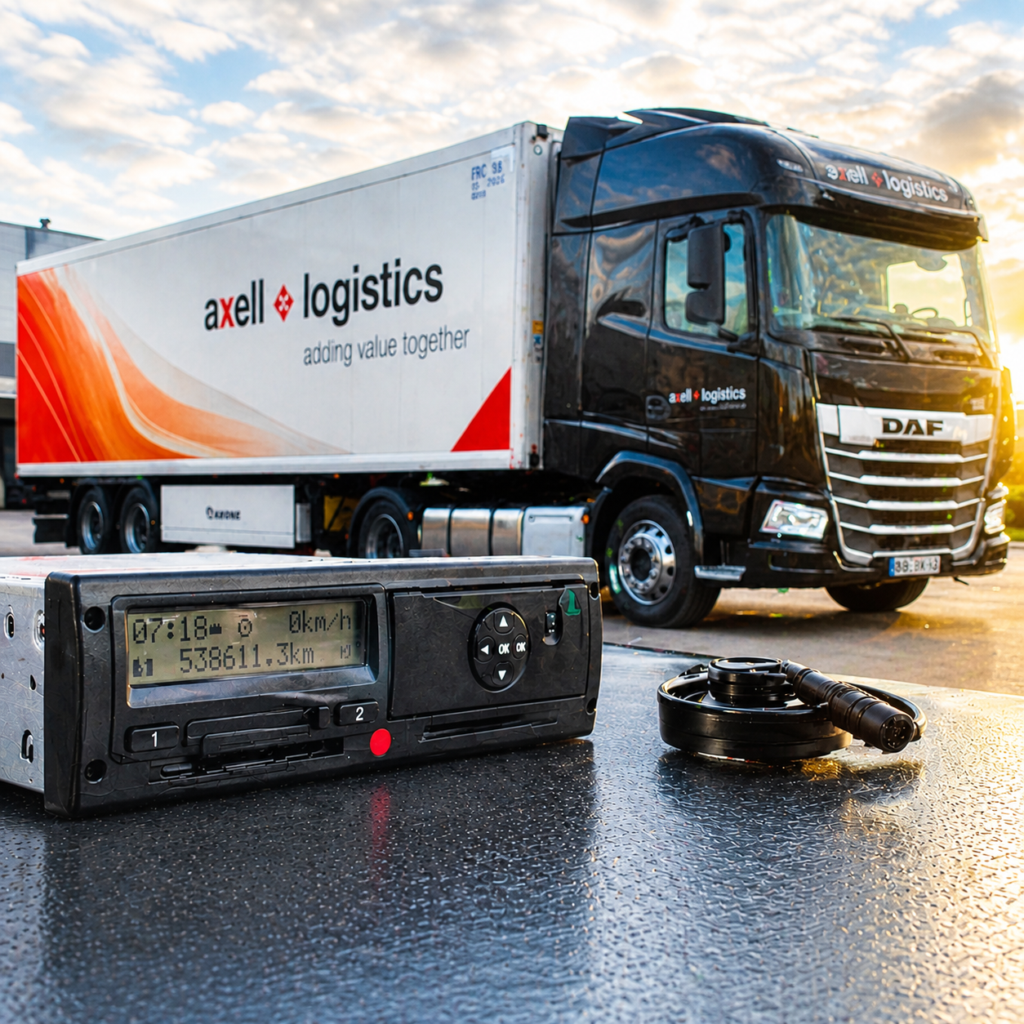
Fleet management combines logistics processes with technology and real-time data. Through systems such as GPS tracking, onboard computers, and transport software, companies gain continuous insight into their vehicle fleet.
An important part of this is vehicle tracking. This allows planners to follow vehicles live and immediately respond to traffic situations, delays, or route changes. This provides more control over delivery times and communication with customers.
In addition, route planning plays a major role. Smart software calculates efficient routes based on traffic conditions, loading capacity, delivery locations, and time windows. This reduces unnecessary kilometers and allows vehicles to be used more efficiently.
Maintenance and fuel management are also part of fleet management. By maintaining vehicles preventively and analyzing fuel consumption, organizations can reduce costs and minimize downtime.
Finally, modern fleet management systems provide extensive dashboards and reports. These give companies insight into performance metrics such as delivery reliability, vehicle utilization, and transport costs. This data helps organizations continuously improve logistics processes.
What does fleet management mean in practice?
In practice, fleet management is mainly about overview, predictability, and efficiency within transport processes.
For example, a retailer with multiple stores must be certain that deliveries arrive on time. An e-commerce company wants real-time insight into shipments and return flows. International distributors must be able to manage vehicles efficiently across multiple countries and distribution points.
Fleet management helps organizations respond faster, plan better, and become less dependent on manual processes. This creates greater control over capacity, delivery performance, and communication within the supply chain.
For companies working with multiple logistics links, fleet management is therefore increasingly connected to broader logistics solutions, such as distribution solutions and real-time inventory management.
What are the benefits of fleet management?
A well-structured fleet management process offers several advantages. The biggest advantage is often the real-time insight into vehicles and transport performance. Companies continuously know where vehicles are located and can respond more quickly to deviations or delays.
In addition, fleet management ensures more efficient route planning and better vehicle utilization. This helps reduce unnecessary kilometers, waiting times, and fuel consumption. At the same time, delivery reliability increases because planners can better anticipate changes on the road.
Scalability also plays an important role. During peak periods or growing volumes, fleet management helps distribute capacity more effectively and keep transport flows manageable.
What should you take into account?
Although fleet management offers many advantages, it also requires proper alignment between systems, processes, and employees.
Real-time data is only valuable when systems are correctly connected and processes are properly configured. In addition, drivers, planners, and logistics teams must be able to work effectively with the software and dashboards being used.
The importance of integrations between fleet management, warehouse management, and transport planning is also increasing. Organizations with international supply chains especially benefit from systems that centrally manage logistics processes and provide real-time insight.
How does a logistics partner support fleet management?
Many companies choose to partially or fully outsource logistics processes. A logistics partner such as Axell Logistics can support transport coordination, real-time tracking, distribution, and supply chain optimization.
By combining fleet management with services such as international transport and third party logistics, companies gain more control over the entire logistics chain.
At Axell Logistics, the focus is on real-time insight, scalable capacity, and reliable distribution processes throughout Europe. By intelligently connecting transport, warehousing, and supply chain processes, greater overview and continuity are created within logistics operations.