

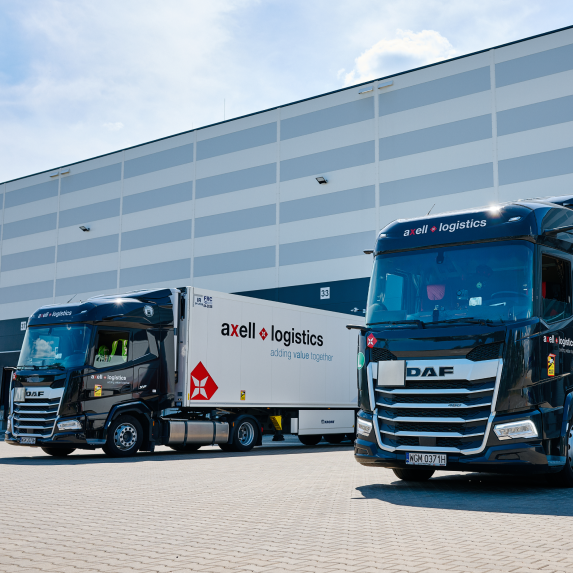








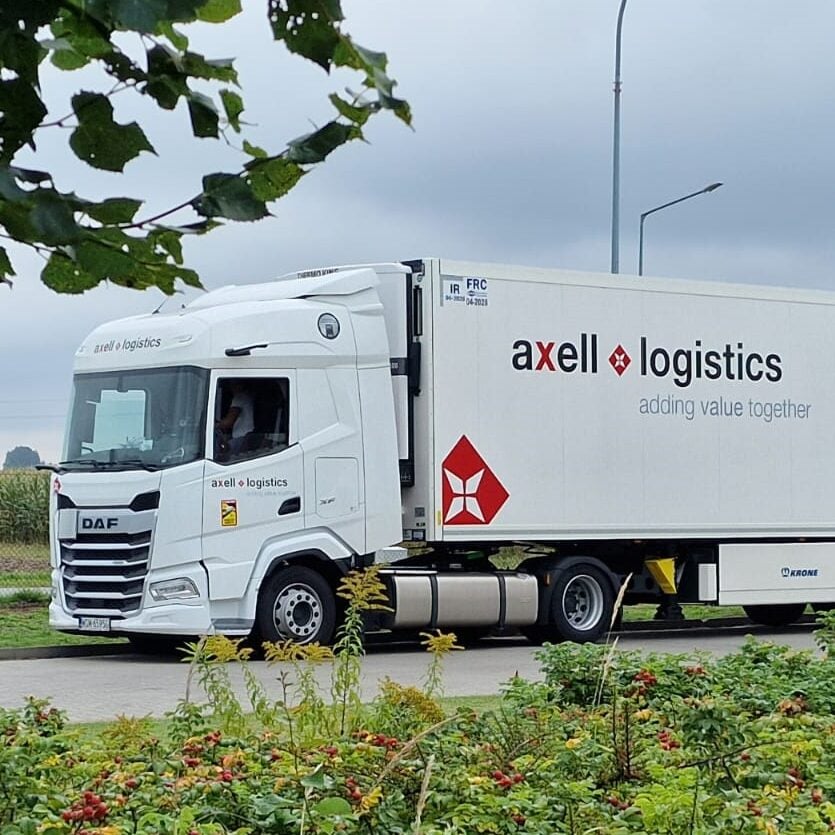




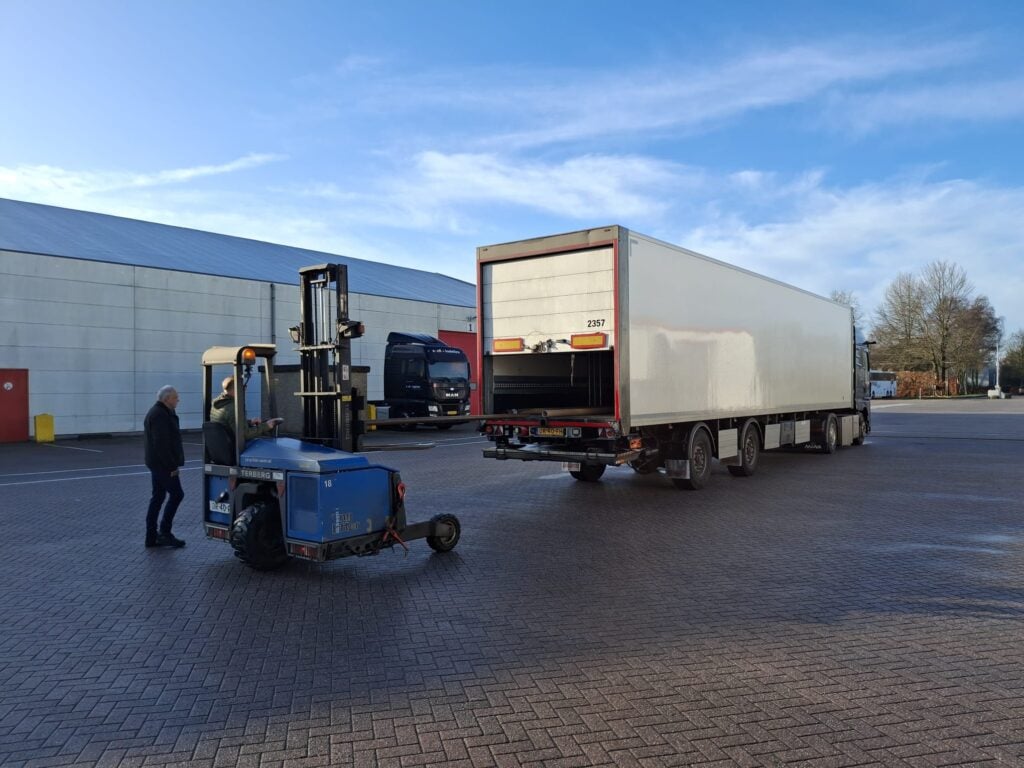
FTL transport stands for Full Truck Load. This means that one complete truck is used for the goods of a single customer. The loading space is therefore not shared with other shipments, as is the case with partial transport or groupage.
Within distribution and international transport, FTL is widely used for larger volumes, direct deliveries, and time-critical shipments. Especially companies that want to deliver quickly, efficiently, and with maximum control regularly choose this form of freight transport.
What does FTL (Full Truck Load) mean?
With FTL transport, a complete truck is deployed for one single shipment or customer. The goods are usually transported directly from the loading location to the final destination without additional transshipment moments.
FTL is often applied for:
- large volumes
- full pallet shipments
- direct deliveries
- international distribution
- time-sensitive transport
Within logistics processes, FTL offers more control over delivery times and transport planning. Companies have full access to the freight capacity.
For organisations with larger goods flows, this often results in a more efficient and more predictable supply chain.
How does FTL transport work?
With FTL transport, a truck is fully loaded with goods from one client. The shipment is then transported directly to the agreed destination.
For example, a manufacturing company may transport a full trailer of goods to a distribution centre within Europe through international transport. Because the truck is not combined with other shipments, there are fewer transshipment moments and transit times are often shorter.
Within modern logistics processes, route planning plays an important role. By organising direct transport flows intelligently, deliveries become more efficient and companies gain more control over the supply chain.
FTL is widely used within:
- retail
- manufacturing
- ecommerce
- international trade
- supply chains with large volumes
When do companies choose FTL transport?
FTL transport becomes interesting when a shipment is large enough to fill a complete truck or when speed and direct delivery are important.
Many companies choose FTL when:
- large volumes are transported
- fast delivery times are required
- goods are fragile
- fewer transshipment moments are desired
- international distribution must be tightly planned
For companies with fixed goods flows, FTL often offers more predictability and control over deliveries.
In addition, FTL is regularly used for time-critical transport where delays can have a major impact on production processes or inventory availability.
What is the difference between FTL and LTL?
FTL and LTL are both forms of freight transport, but they differ in the use of loading space.
With FTL, the complete truck is used for one customer. With LTL (Less Than Truckload), multiple companies share the same truck.
FTL is often suitable for:
- large volumes
- direct deliveries
- time-critical shipments
- maximum control over transport
LTL is more often used for:
- smaller volumes
- flexible distribution
- partial transport
- cost optimisation for smaller shipments
Within logistics processes, LTL is often combined with groupage transport, where multiple smaller shipments are intelligently consolidated.
Which transport solution is most suitable depends on volume, delivery time, flexibility, and logistics requirements.
Advantages and points of attention of FTL transport
FTL transport offers various advantages for companies with larger goods flows. Because the truck is fully available for one customer, more control is created over planning, route, and delivery times.
In addition, FTL often provides:
- faster transit times
- fewer transshipment moments
- lower risk of transport damage
- higher delivery reliability
- more efficient international distribution
FTL also plays an important role within international distribution processes when efficiently organising large goods flows.
At the same time, FTL requires sufficient volume to utilise transport capacity optimally. For smaller shipments, a full truck may be relatively more expensive than partial transport.
That is why maintaining a good balance between speed, volume, flexibility, and costs remains important within logistics planning.
How does a logistics partner support this?
A logistics partner supports companies in organising efficient transport and distribution flows.
This includes:
- route planning
- international distribution
- real-time tracking
- supply chain coordination
- transport optimisation
By centrally organising transport flows, more insight and control are created over logistics processes. Especially for companies with international distribution or larger volumes, FTL transport often provides a scalable and efficient solution.
With real-time insight and efficient transport planning, companies can increase delivery reliability and keep their supply chain more manageable.