















What exactly is logistics? Most people think of long lines of trucks, fully loaded container ships, or massive cargo planes. And that makes sense, transport is often the first thing that comes to mind when explaining logistics.
These sectors complement each other like yin and yang. Add forwarding (freight forwarding) to the mix, and you get the dynamic TSL sector: transport, forwarding, and logistics. In this article, however, we focus on logistics itself. What is logistics, how does it work, and what challenges does this sector face? Read on and discover the dynamics of the logistics world.
What is logistics?
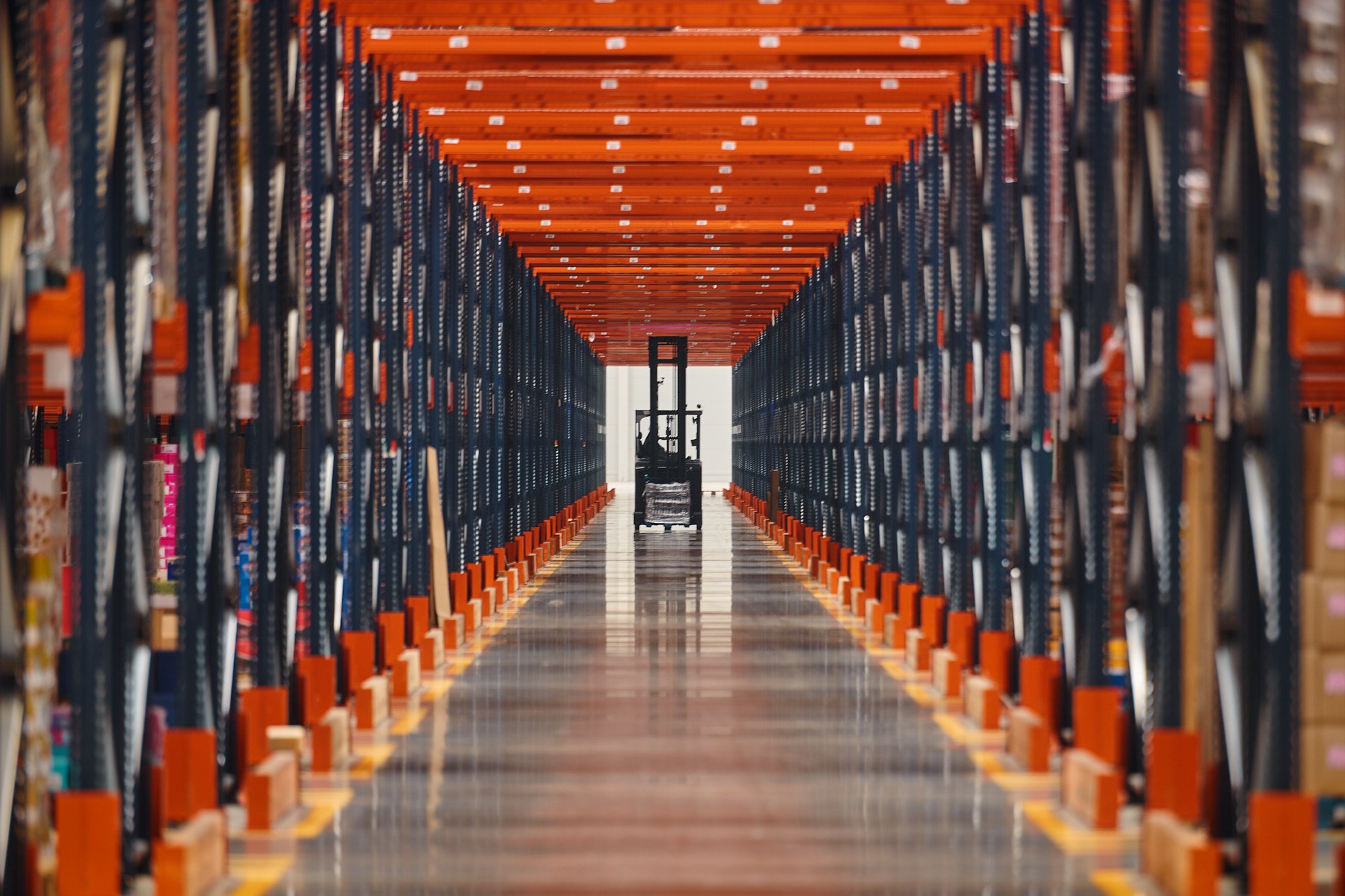
Logistics is both a broad field of study and a practical discipline focused on planning, managing, and efficiently moving goods from the point of origin to the final destination.
It involves much more than just transport; it is a complex system in which resources, information, and processes are coordinated to ensure a smooth supply chain.
So what is logistics exactly? It is the art of delivering the right products, at the right time, to the right place, in the right quantity, while meeting customer needs and optimizing costs.
Managing goods flows includes:
- storage
- transport
- planning
- control
- analysis
And this applies to every stage of the supply chain. In today’s world, understanding logistics and how it works is essential for business success. It enables companies to respond quickly to market changes and deliver products efficiently to customers.
What does a logistics specialist do? A typical workday
A logistics specialist is responsible for coordinating different parts of the supply chain and optimizing processes related to the flow of goods.
Key skills include:
- analytical thinking
- strong organizational abilities
- stress resilience
- knowledge of modern technologies to ensure efficient distribution
A logistics specialist oversees the flow of goods at every stage of the logistics process.
A typical workday may look like this:
- analysing inventory levels, demand forecasts, and ongoing orders, followed by planning priorities and timelines
- supervising the preparation of goods for shipment, including proper packaging and labelling
- continuously monitoring logistics processes, managing teams, and making quick decisions in response to unexpected situations or changes in customer orders
There is also close collaboration with departments such as sales and production to streamline processes and maintain quality. The ultimate goal is clear: products must arrive on time, in the right quantity, and in perfect condition. This makes logistics a highly dynamic field—not suited to everyone.
Is it a difficult job?
Logistics can certainly be demanding, but how difficult it is depends on the scale of operations and the complexity of the supply chain. It requires precision, quick decision-making, and strategic insight. While it can be stressful, it is also challenging and highly rewarding. Moreover, new technologies and tools continue to make logistics management more efficient and manageable.
The importance in today’s world
Modern society simply could not function without logistics. It is the backbone of efficiency, enabling companies to respond quickly to changing market demands, maintain supply chain continuity, and improve customer service quality.
Understanding what logistics is, and recognising its role as a strategic business function, helps companies not only survive but thrive in a dynamic and competitive environment.
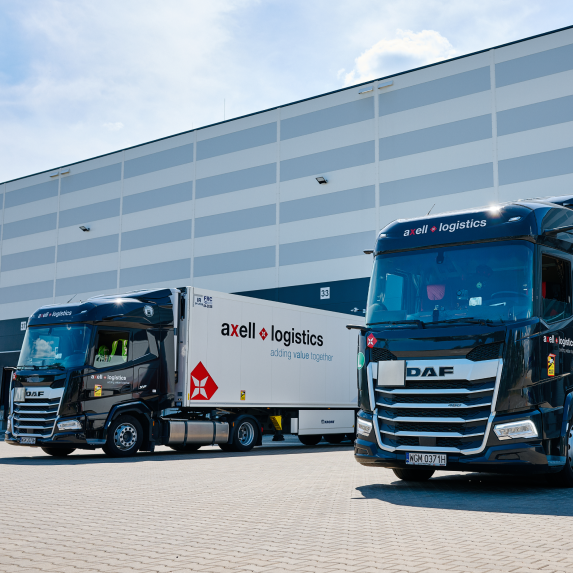
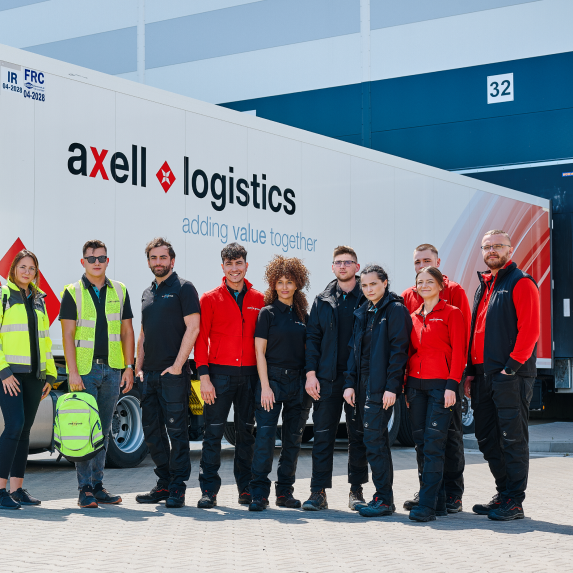
Axell Logistics’ services are built on knowledge, experience, and expertise. We understand that logistics is key to managing complex global supply chains and contributes to economic growth and stability.
Feel free to contact us if you want to plan and execute efficient logistics processes.