

















The difference between warehousing and fulfilment lies in the role both processes play within the supply chain. Warehousing focuses on the storage and management of goods, while fulfilment covers the complete process from order handling to delivery to the end customer.
Although both solutions are closely connected, they serve different functions within logistics operations. Especially for organisations growing in e-commerce, retail or omnichannel sales, it is important to clearly understand this distinction.
What does warehousing mean?
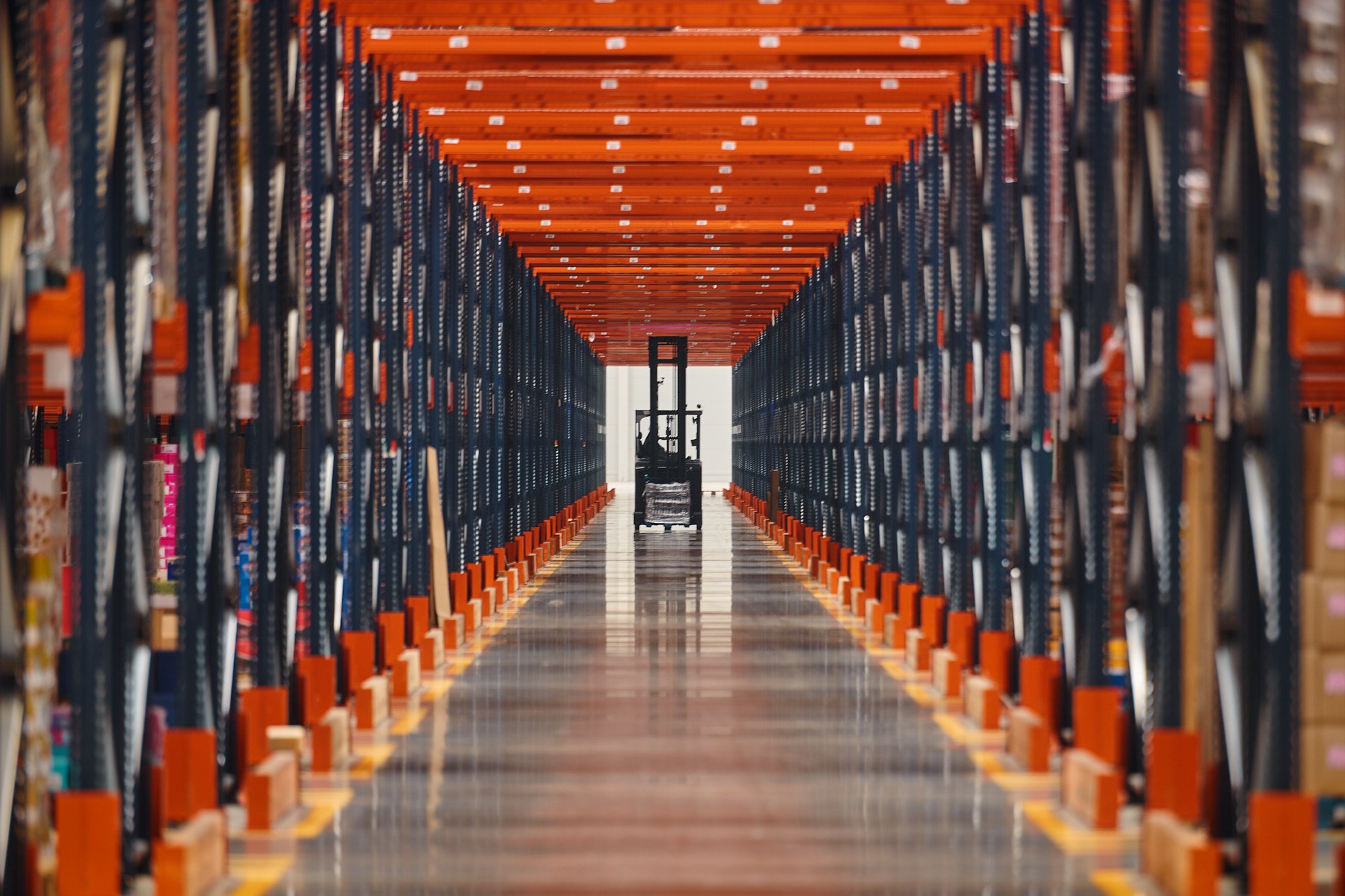
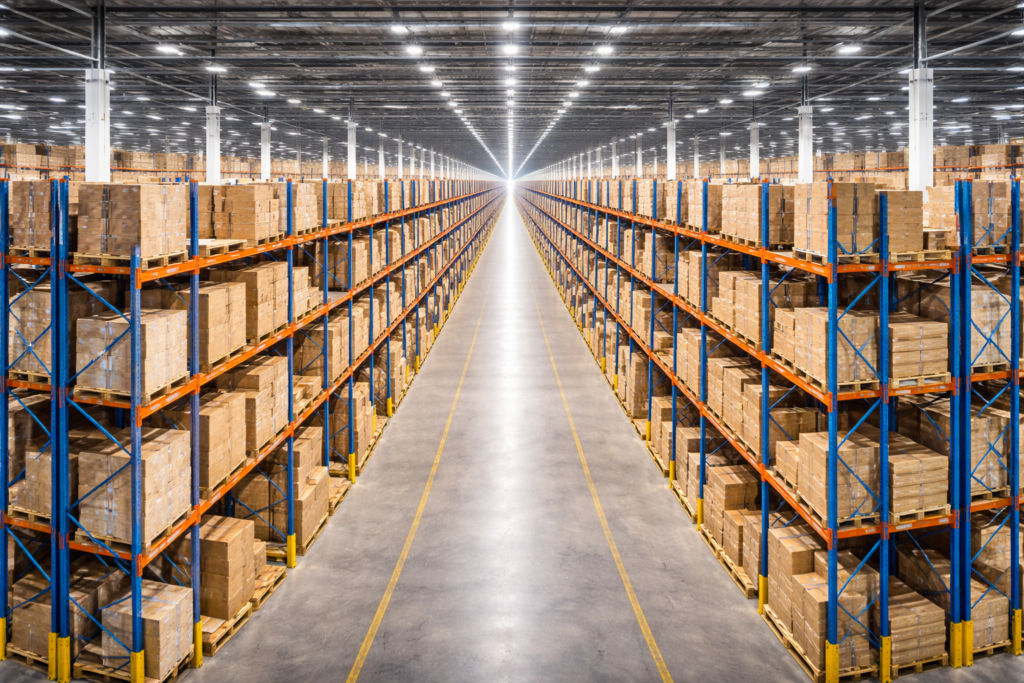
Warehousing focuses on the efficient storage, management and movement of goods within a warehouse environment. It forms the foundation of many logistics processes and ensures products remain controlled and available throughout the supply chain.
Within warehousing, the focus is mainly on inventory management, inbound and outbound goods flows and organising storage capacity. The goal is to keep goods safe, organised and efficiently available.
For organisations mainly operating in bulk distribution or handling their own order processing internally, warehousing is often an important part of the logistics setup.
What does fulfilment mean?
Fulfilment goes beyond storage alone. It includes the complete logistics process from the moment an order is placed until delivery to the customer.
This includes processes such as order picking, packing, shipping and returns handling. Within fulfilment, the focus is not only on logistics efficiency, but also on speed, accuracy and customer experience.
Especially within e-commerce and omnichannel logistics, fulfilment plays an important role. Consumers expect short delivery times, real-time visibility and smooth returns processes. As a result, fulfilment is becoming increasingly important for organisations delivering directly to customers.
Within fulfilment services, storage, order processing and distribution are therefore often integrated into one logistics solution.
What is the main difference between warehousing and fulfilment?
The biggest difference lies in the scope of the service.
Warehousing primarily focuses on storage and inventory management. Fulfilment also includes the processing, shipping and handling of customer orders.
In practice, this means warehousing mainly has a supporting logistics function, while fulfilment directly impacts customer experience and operational speed.
You can therefore see fulfilment as a broader logistics solution in which warehousing forms one component. Without storage, fulfilment is not possible, but fulfilment adds additional processes that are essential for modern distribution and e-commerce operations.
What does this mean in practice?
In practice, the choice between warehousing and fulfilment strongly depends on the type of organisation and the complexity of the logistics operation.
Companies that primarily deliver B2B and handle larger shipments often only require warehousing and inventory management. As order volumes increase or organisations begin delivering directly to consumers, fulfilment processes usually become more important.
This is especially relevant for organisations processing many small daily orders, combining multiple sales channels or managing large return flows. In these situations, speed and error-free order processing become increasingly important.
Scalability also plays a major role. During peak periods, promotions or seasonal changes, logistics processes must remain flexible without putting delivery times or inventory levels under pressure.
How do warehousing and fulfilment work together?
In practice, warehousing and fulfilment rarely operate completely separately. Within modern supply chains, both processes are usually combined within one integrated logistics structure.
An efficient logistics operation starts with reliable inventory management and organised storage. From there, fulfilment processes ensure orders can be processed quickly and accurately.
By aligning warehousing, fulfilment and distribution effectively, organisations gain more control over inventory, order flows and delivery performance. This helps businesses operate more efficiently while remaining flexible during growth or changing market demand.
When do you choose warehousing or fulfilment?
The right choice depends on your logistics requirements, sales structure and growth phase.
When the primary focus is on storage, bulk distribution or internal order handling, warehousing may be the right solution. Organisations delivering directly to consumers or relying heavily on fast order processing more often choose fulfilment.
As logistics operations become more complex, the need for integrated solutions combining storage, order processing, returns logistics and distribution usually increases as well.
At Axell Logistics, solutions such as contract logistics, warehousing and fulfilment are regularly combined into one scalable supply chain solution. This creates more flexibility, real-time visibility and control over logistics processes.
