











What is the FMCG sector?
FMCG stands for Fast Moving Consumer Goods. These are consumer products that are sold quickly, purchased frequently, and usually have a relatively low purchase value. Examples include food products, beverages, personal care products, and cleaning products.
The FMCG sector is one of the largest and most dynamic markets in the world. Because products have a high turnover rate, efficient logistics processes are essential. Inventory management, warehousing, and distribution therefore play an important role within every FMCG supply chain.
What does FMCG mean?
The term Fast Moving Consumer Goods refers to products that consumers purchase frequently and use or consume quickly. As a result, these products must be continuously available in stores, distribution centers, and online shops.
Characteristics of FMCG products include:
- A high turnover rate
- Relatively low selling prices
- Regular repeat purchases
- High sales volumes
- Strong dependence on availability
Because consumers expect these products to always be available, the FMCG sector requires a carefully coordinated logistics chain.
The success of FMCG companies is often directly linked to the speed and reliability with which products are made available to consumers.
Which products fall under FMCG?
FMCG includes a wide range of everyday consumer products. Many of these items are purchased daily or weekly.
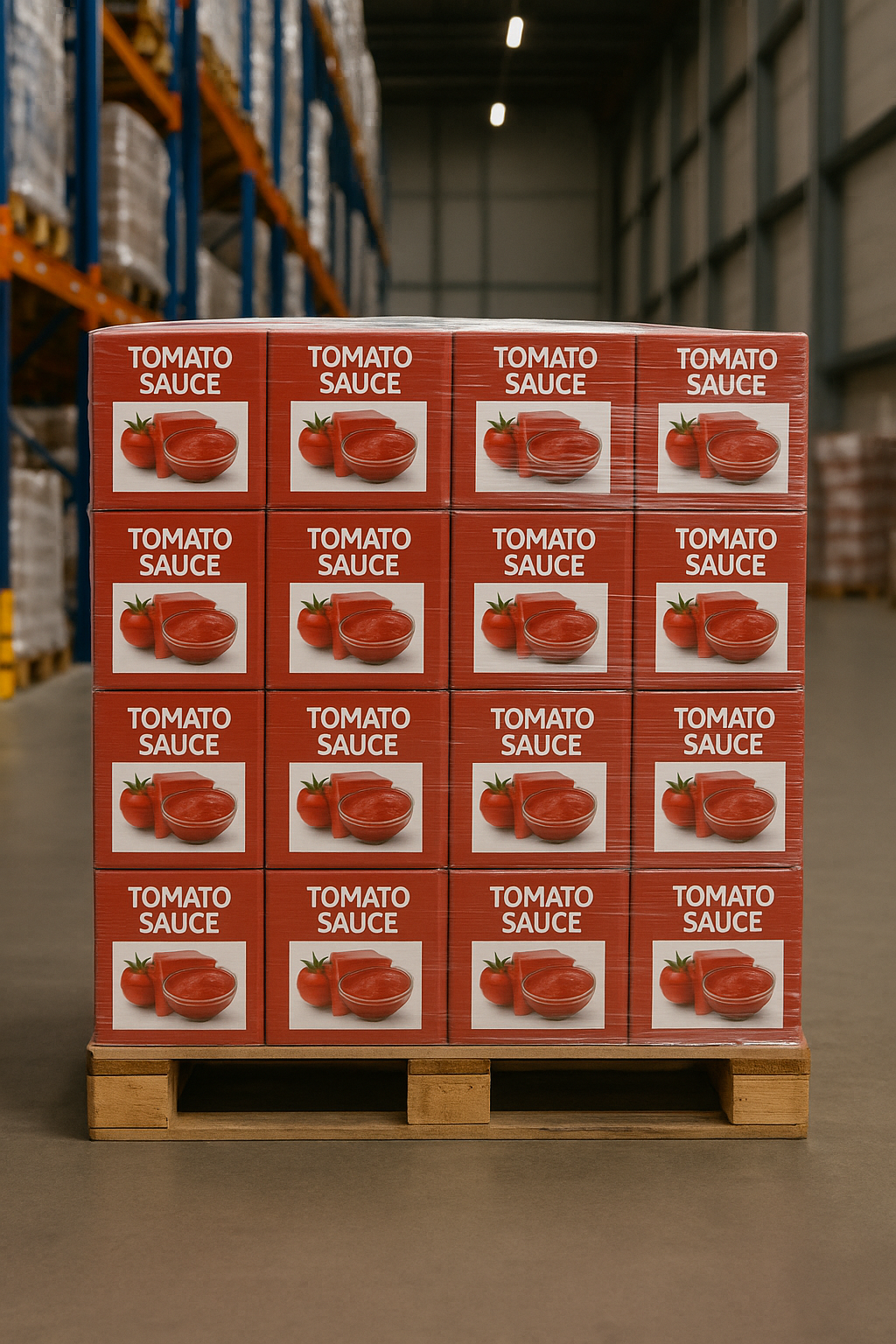
Examples of FMCG products include food items such as bread, dairy products, soft drinks, and snacks. Personal care products such as shampoo, toothpaste, and deodorant also fall into this category. In addition, cleaning products, household goods, and certain over-the-counter pharmaceutical products are part of the FMCG market.
Although individual margins are often limited, the high sales volumes make FMCG an important economic sector.
What does this mean in practice?
Within the FMCG sector, everything revolves around availability. When a product is out of stock, consumers often immediately choose an alternative brand. As a result, inventory shortages can directly lead to lost revenue.
For example, imagine a supermarket chain that receives thousands of products daily from different suppliers. If one link in the logistics chain experiences delays, shelves may become empty and customer satisfaction can decline.
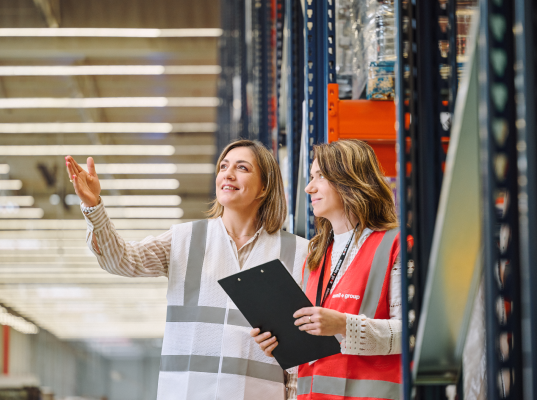
That is why FMCG companies invest heavily in demand forecasting, inventory management, and efficient distribution networks. Thanks to real-time visibility into inventory levels and goods flows, they can respond more quickly to changes in consumer behavior.
Benefits and challenges within the FMCG sector
A major advantage of FMCG products is the constant demand. Consumers continue to need everyday products regardless of economic conditions. This often creates a stable foundation for sales volumes.
At the same time, the sector also presents challenges. The high turnover rate requires accurate inventory management and reliable distribution processes. In addition, changing consumer trends, rising transportation costs, and fluctuations in demand can impact supply chain performance.
Sustainability is also playing an increasingly important role. FMCG companies are continuously looking for ways to make packaging, transportation flows, and inventory management more efficient.
A successful FMCG supply chain therefore requires flexibility, speed, and maximum control over goods flows.
How does a logistics partner support this?
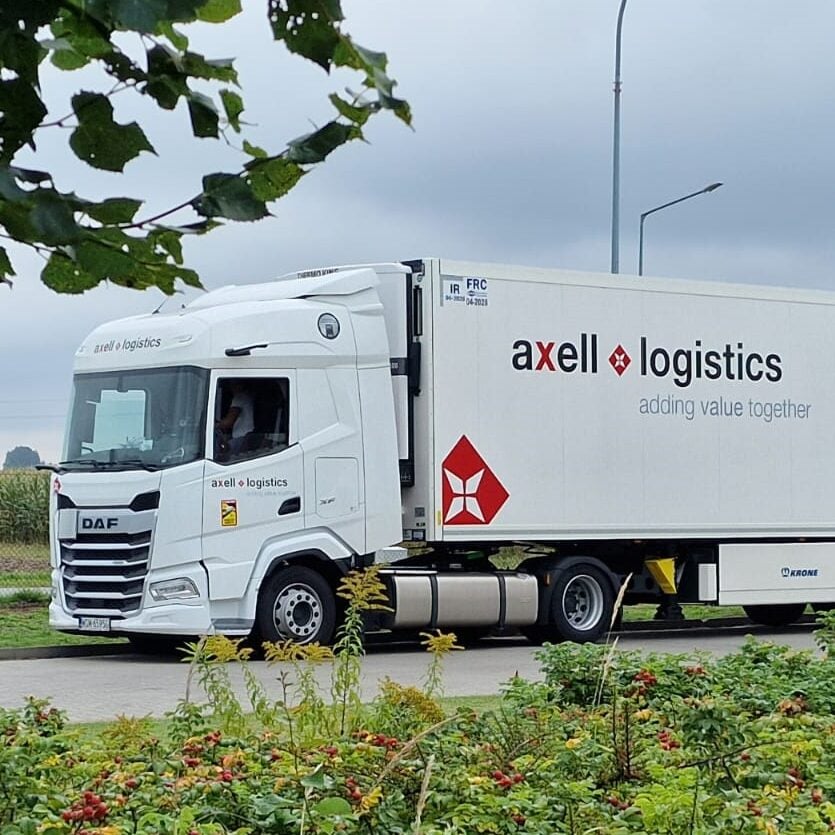
For FMCG companies, logistics is a critical success factor. A logistics partner can help organize goods flows more efficiently and improve delivery reliability.
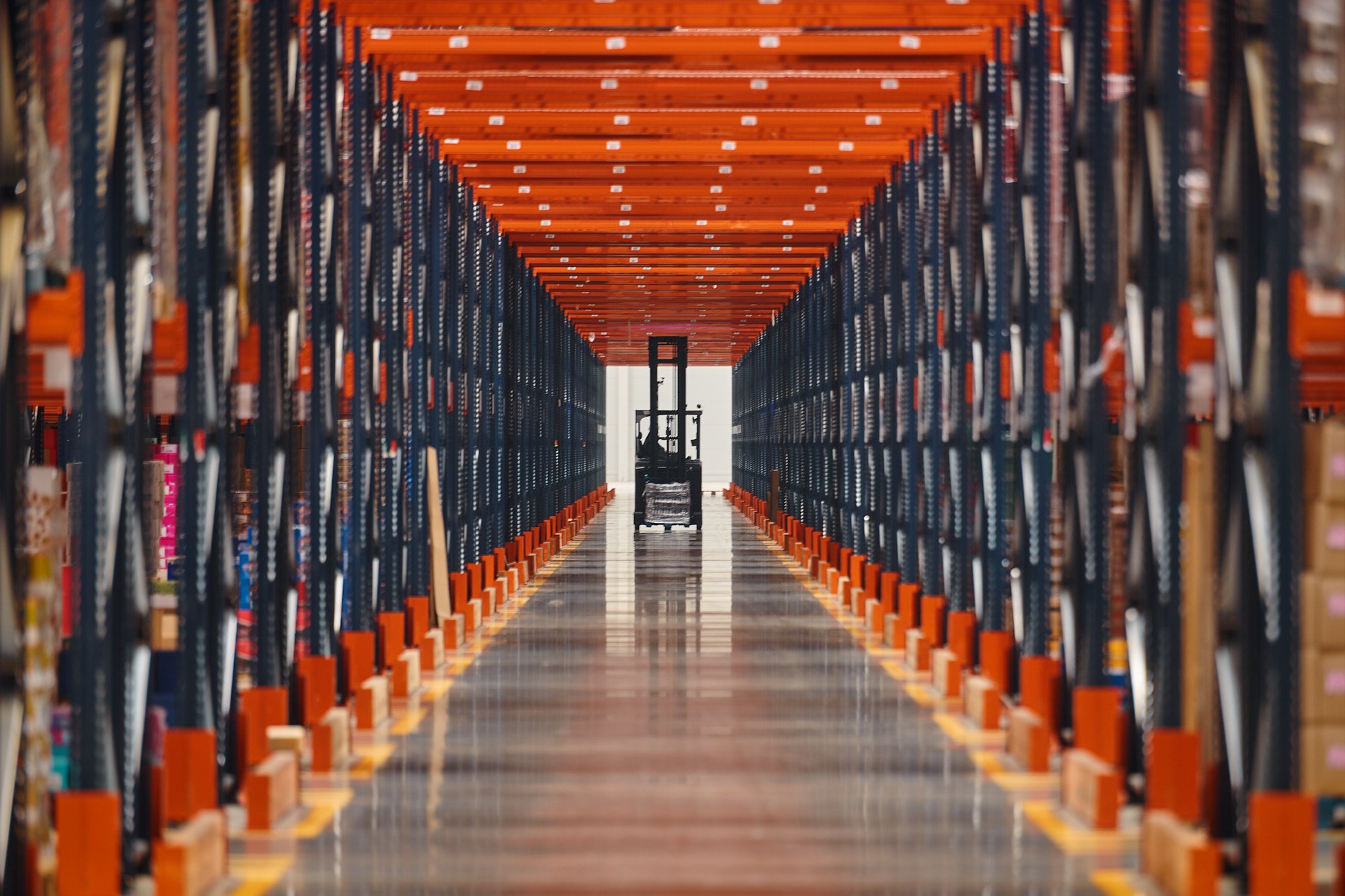
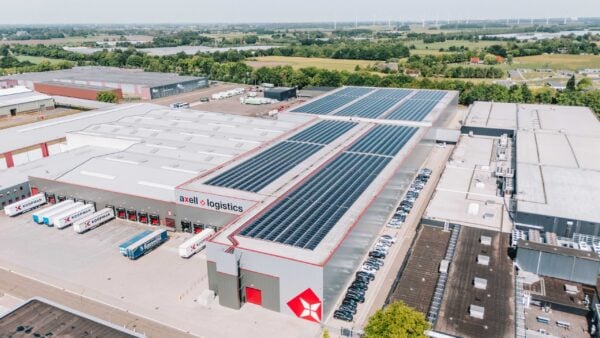
With professional warehousing, products can be stored and processed efficiently. A well-designed distribution process then ensures that goods are quickly available for stores, distribution centers, and end customers.
In addition, contract logistics can help align storage, inventory management, and transportation more effectively. For organizations looking to further scale their logistics activities, a 3PL solution provides additional flexibility and operational support.