
















E-fulfilment as a complete solution covers the entire logistics process behind online orders: from goods receiving and storage to order processing, shipping and returns logistics. Within the supply chain, this means all logistics steps following an online order are centrally managed and seamlessly connected.
For organisations with a growing e-commerce channel, e-fulfilment is no longer a separate logistics activity, but an integrated process that directly impacts speed, scalability and customer satisfaction.
Why is e-fulfilment more than just order processing?
E-fulfilment focuses on efficiently processing online orders. Unlike traditional logistics processes, which are often built around bulk flows, e-fulfilment is centred on large numbers of small orders that must be processed quickly and accurately.
At the same time, it is about more than pick & pack alone. A complete e-fulfilment solution connects multiple logistics processes within one integrated structure, including storage, inventory management, distribution and returns handling.
The interaction between these processes determines how efficiently the supply chain operates. When systems, inventory and logistics operations align properly, organisations gain greater control and flexibility across the entire order process.
What does e-fulfilment mean in practice?
In practice, e-fulfilment becomes more complex as order volumes grow and customer expectations increase.
Consumers expect fast delivery, real-time order visibility and simple returns processes. At the same time, peak periods, campaigns and seasonal changes create strong fluctuations in volumes.
As a result, many organisations face challenges such as limited scalability, lack of real-time inventory visibility or increasing pressure on returns flows. Especially within e-commerce and omnichannel retail, an inefficient fulfilment process directly impacts both customer experience and operational costs.
That is why more organisations are choosing an integrated e-fulfilment approach in which logistics processes are designed to remain scalable and flexible.
How does e-fulfilment work as a complete solution?
A complete e-fulfilment solution consists of multiple logistics steps that work closely together within one supply chain process.
Inbound and goods receiving
The process starts with receiving goods from suppliers. Products are checked, registered and prepared for storage. A well-organised inbound process creates a stable foundation for the rest of the fulfilment operation and helps prevent errors later in the supply chain.
Storage and inventory management
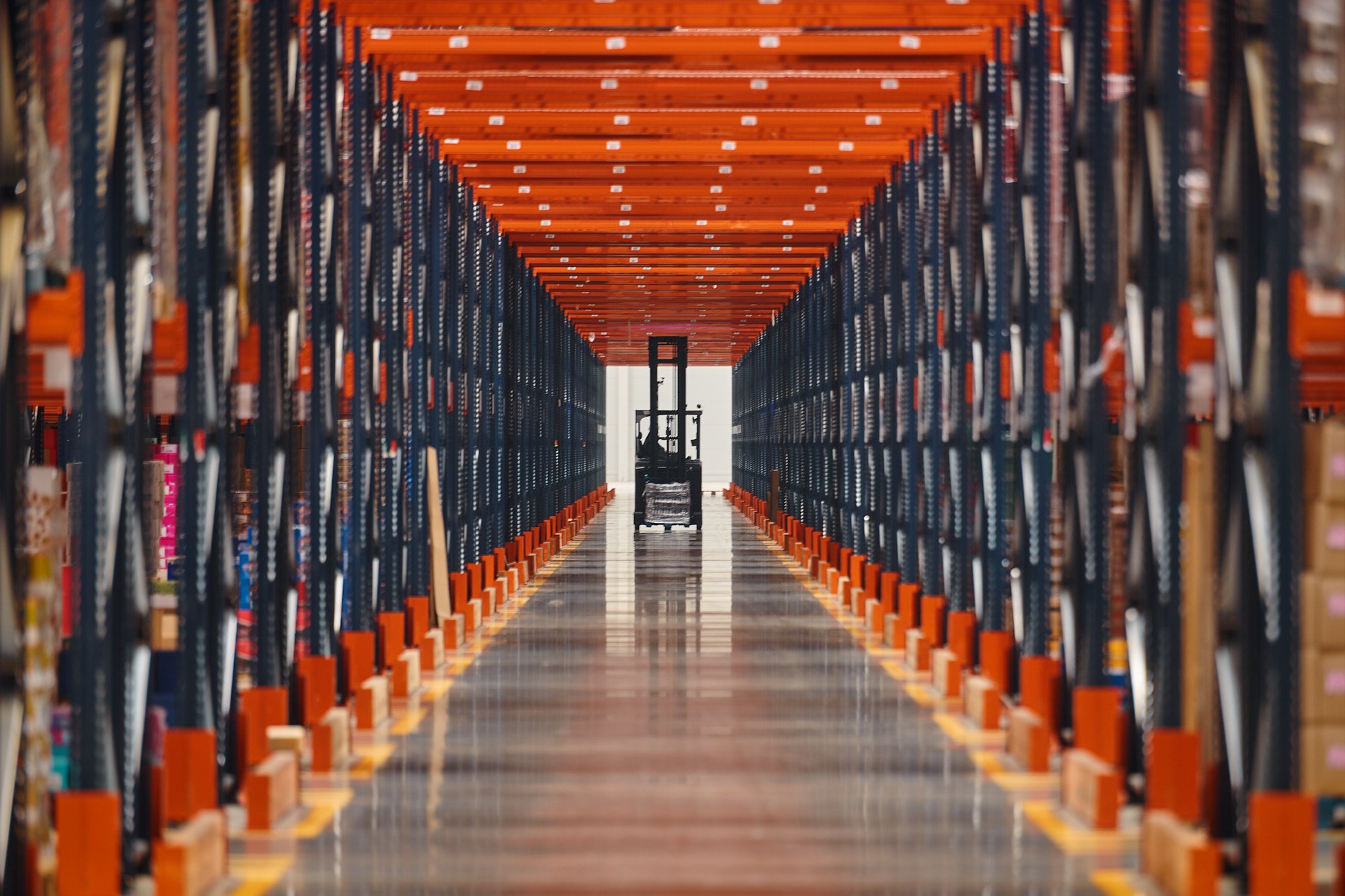
After receiving, goods are stored within a warehouse environment. Real-time inventory visibility is essential to process orders quickly and accurately. Within warehousing, the focus is therefore not only on storage capacity, but also on maintaining control over inventory levels and goods flows.
Order processing and pick & pack
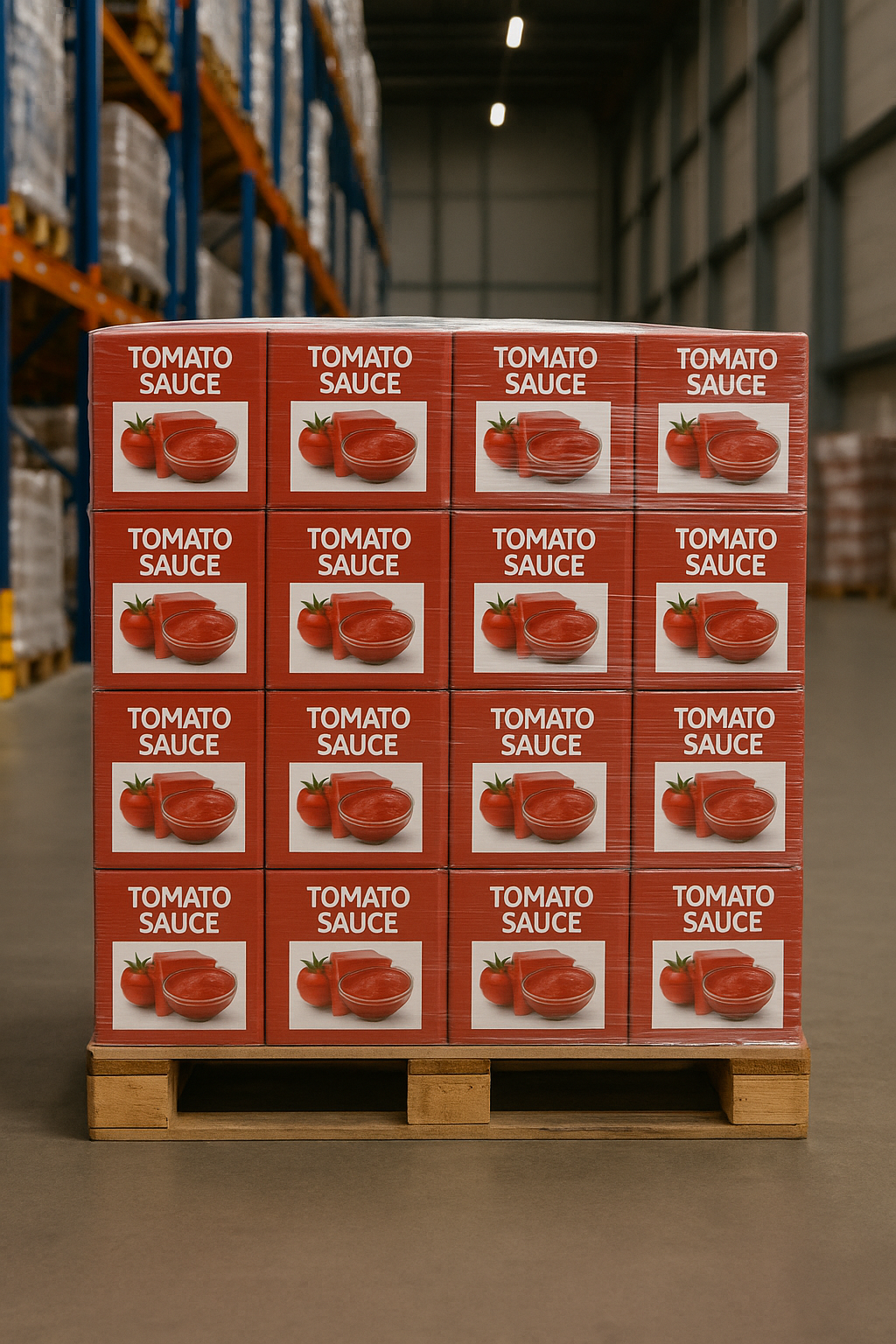
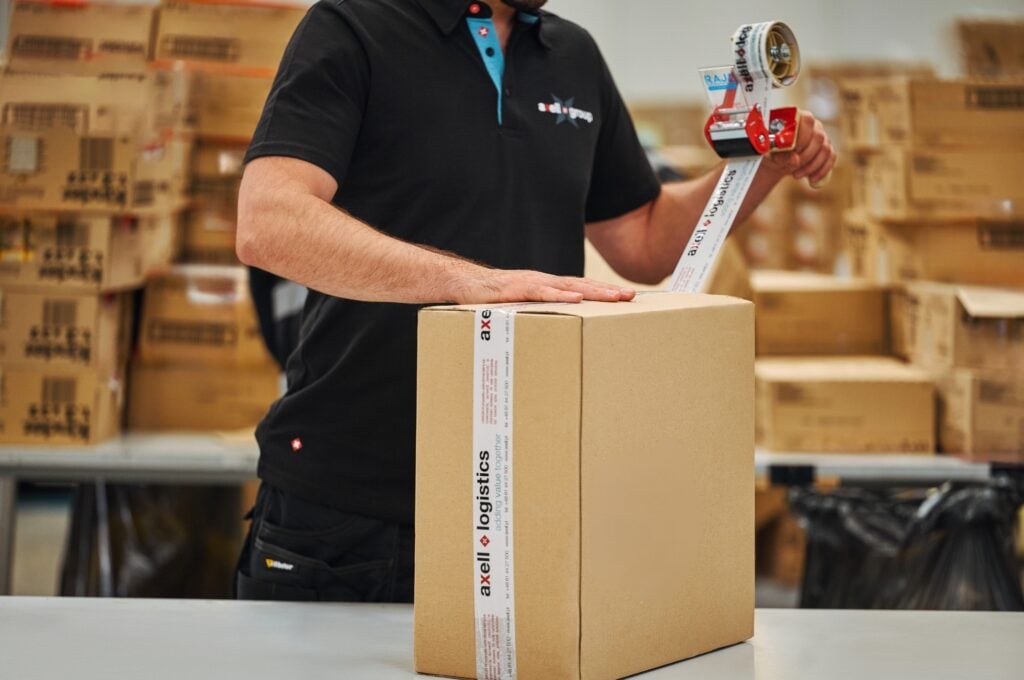
Once an order is placed, products are picked, packed and prepared for shipment. This process must be fast, accurate and scalable. Efficient order processing directly impacts delivery times, error rates and customer satisfaction.
Transport and last-mile delivery
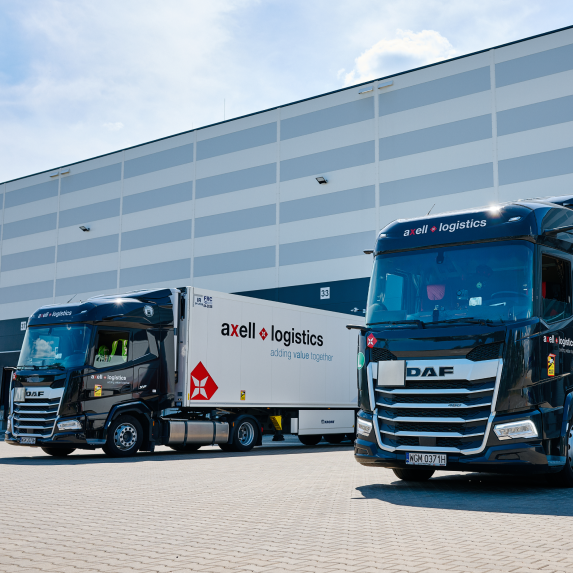
After processing, orders are shipped to the end customer. The speed and reliability of distribution play a major role in this stage. Within solutions such as distribution and fulfilment operations, there is therefore a strong focus on efficient delivery flows and real-time shipment visibility.
Returns logistics
Returns are a structural part of e-commerce logistics. Products must be inspected, processed and made available for sale again. An efficient returns process helps organisations control costs while improving the customer experience.
IT integrations and real-time visibility
A complete e-fulfilment solution only functions effectively when systems communicate properly with each other. This includes integrations between webshops, ERP systems, inventory management and warehouse management systems. Real-time data exchange creates greater control, faster operational adjustments and better predictability across logistics processes.
What are the benefits of e-fulfilment as a complete solution?
An integrated e-fulfilment solution gives organisations more flexibility and control over the entire order process. Because processes align more efficiently, delivery times can be shortened and available capacity can be used more effectively. It also becomes easier to scale logistics operations during growth or peak periods.
In addition, a well-structured fulfilment process directly contributes to customer satisfaction. Reliable delivery, accurate stock information and fast returns handling are becoming increasingly important within e-commerce. At the same time, e-fulfilment requires strong process coordination and reliable IT systems. As logistics operations become more complex, the importance of real-time visibility and operational control also increases.
How can a logistics partner support e-fulfilment?
Successfully organising e-fulfilment requires visibility, scalability and a well-integrated supply chain.
A logistics partner can support this by combining fulfilment, storage, distribution and returns logistics within one connected logistics structure. Flexible capacity and real-time visibility also play an important role.
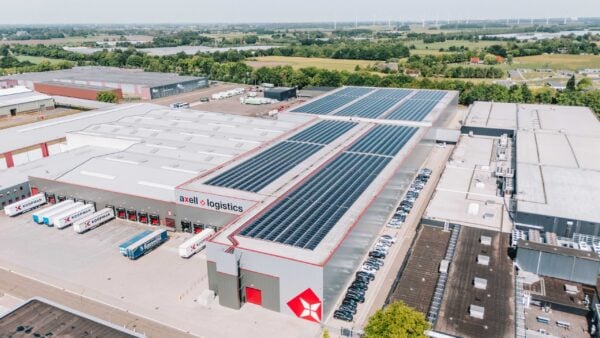
At Axell Logistics, solutions such as contract logistics, warehousing and e-fulfilment are regularly combined within one integrated logistics approach. This creates a scalable logistics foundation that supports organisations during growth, seasonal peaks and changing customer expectations.
