















Fulfilment is the complete logistics process surrounding the processing, storage, packaging, and shipping of orders. Once a customer places an order, fulfilment ensures that the product is processed correctly and ultimately delivered to the customer.
Within ecommerce and modern supply chains, fulfilment plays an important role in customer satisfaction, delivery reliability, and scalability. Webshops and retailers in particular use fulfilment to organise logistics processes more efficiently.
What does fulfilment mean?
Fulfilment literally means carrying out or completing an order. Within logistics, it refers to all the steps that take place between an online order and the final delivery to the customer.
The fulfilment process includes product storage, inventory management, order picking, packaging, shipping, and return processing. Within modern logistics processes, fulfilment is often combined with real-time inventory management and automated order processing.
For companies with online sales channels, fulfilment helps organise goods flows more efficiently and in a more scalable way.
How does fulfilment work?
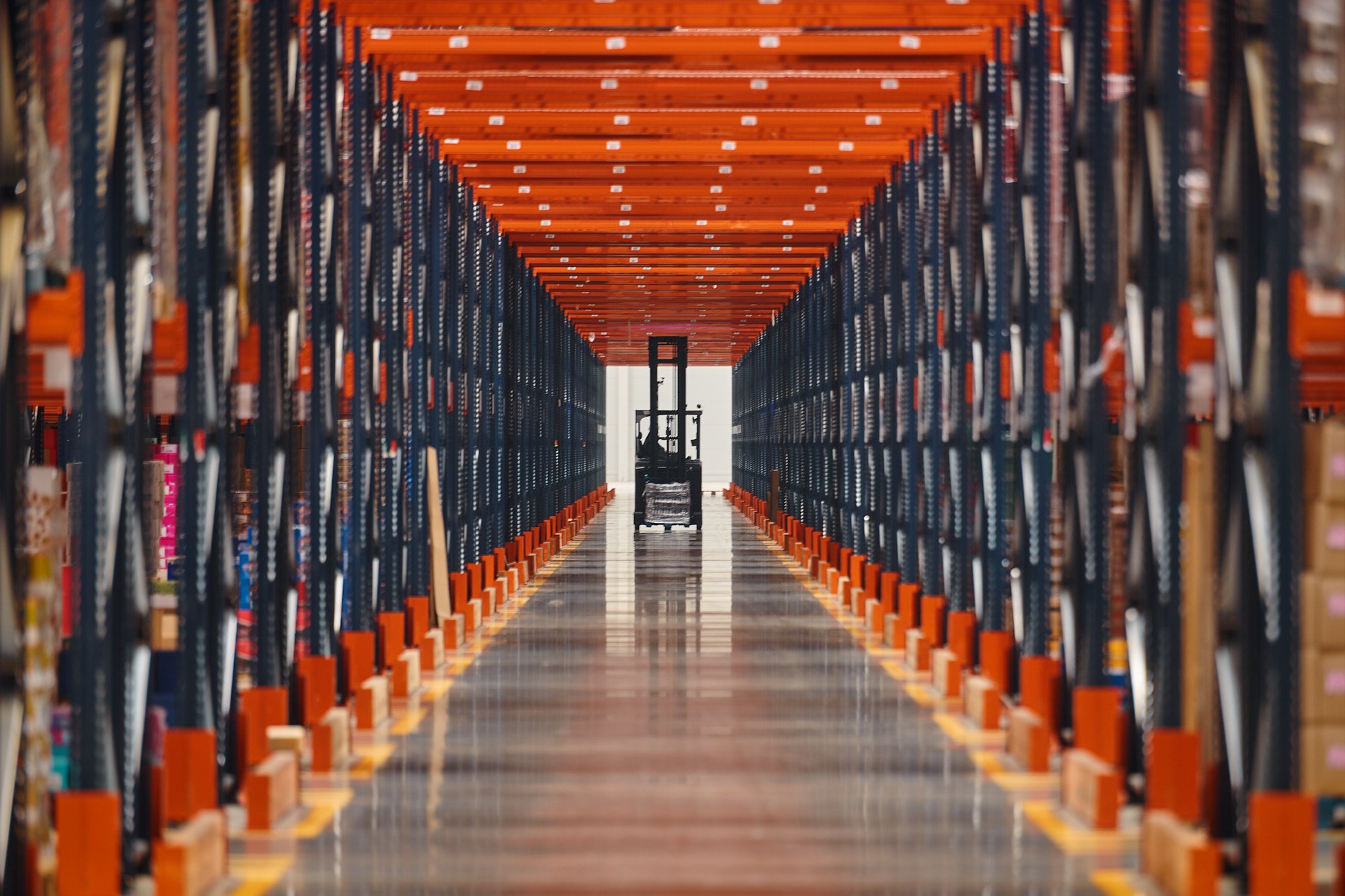
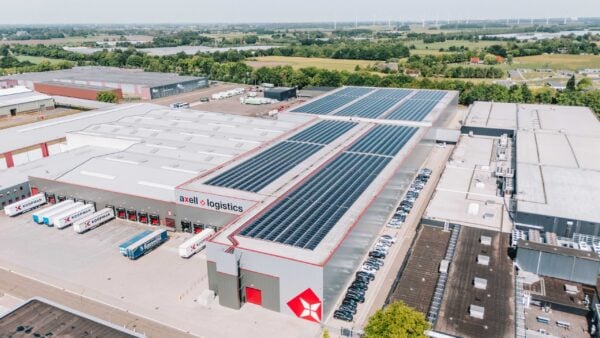
With fulfilment, products are stored in a warehouse or fulfilment centre. Once an order is received, the order is automatically processed.
A logistics employee then collects the products, packages the order, and prepares it for shipment. After that, the order is shipped to the end customer.
Many companies combine fulfilment with specialised warehousing solutions to centrally organise inventory management and storage.
Within modern fulfilment processes, technology and automation are playing an increasingly important role. Examples include real-time inventory management, track & trace systems, automatic order integrations, and dashboards with up-to-date reports.
By automating logistics processes intelligently, more control is created over orders, inventory, and shipments.
Which processes are part of fulfilment?
Fulfilment consists of multiple logistics processes that together ensure efficient order handling. It starts with goods receipt and storage, after which orders are processed, collected, packaged, and shipped. In addition, return logistics are playing an increasingly important role within fulfilment processes.
Within fulfilment services, these processes are often centrally organised. This gives companies more insight into inventory, deliveries, and logistics performance.
For ecommerce companies, speed is especially important. Customers expect fast deliveries, real-time tracking, and accurate order processing. Return flows must also be processed efficiently in order to maintain high customer satisfaction.
Why is fulfilment important for ecommerce?
Within ecommerce, fulfilment has a direct impact on the customer experience. Slow deliveries, inventory errors, or damaged products can quickly lead to dissatisfied customers.
That is why many companies invest in scalable fulfilment processes, real-time inventory management, and efficient return logistics. Within modern ecommerce logistics, fulfilment is also becoming increasingly complex because companies sell through multiple channels simultaneously, such as webshops, marketplaces, and physical stores.
As a result, real-time insight into inventory and order flows is becoming increasingly important. Peak periods, promotions, and seasonal demand also regularly cause major fluctuations in order volumes. A well-organised fulfilment process helps companies respond flexibly to these changes.
Advantages and points of attention of fulfilment
Fulfilment offers various advantages for companies that want to organise logistics processes more efficiently. By centrally organising fulfilment, companies benefit from faster order processing, better real-time inventory insight, and more efficient shipments. This directly contributes to higher customer satisfaction and better scalability during peak periods.
At the same time, fulfilment requires proper coordination between systems, inventory management, and transport processes. When processes are not properly aligned, errors or delays can occur more quickly.
IT integrations also play an important role within modern fulfilment processes. Webshops, marketplaces, and logistics systems must be able to communicate with each other in real time to ensure efficient operations.
How does a fulfilment partner support this?
A fulfilment partner supports companies in organising and optimising logistics processes surrounding online orders.
This includes storage, order processing, inventory management, shipping, return logistics, and real-time tracking. By centrally organising fulfilment processes, more control is created over inventory, shipments, and customer deliveries.
For ecommerce companies and retailers, fulfilment helps scale operations more quickly, manage logistics processes more efficiently, and better support customer expectations.