











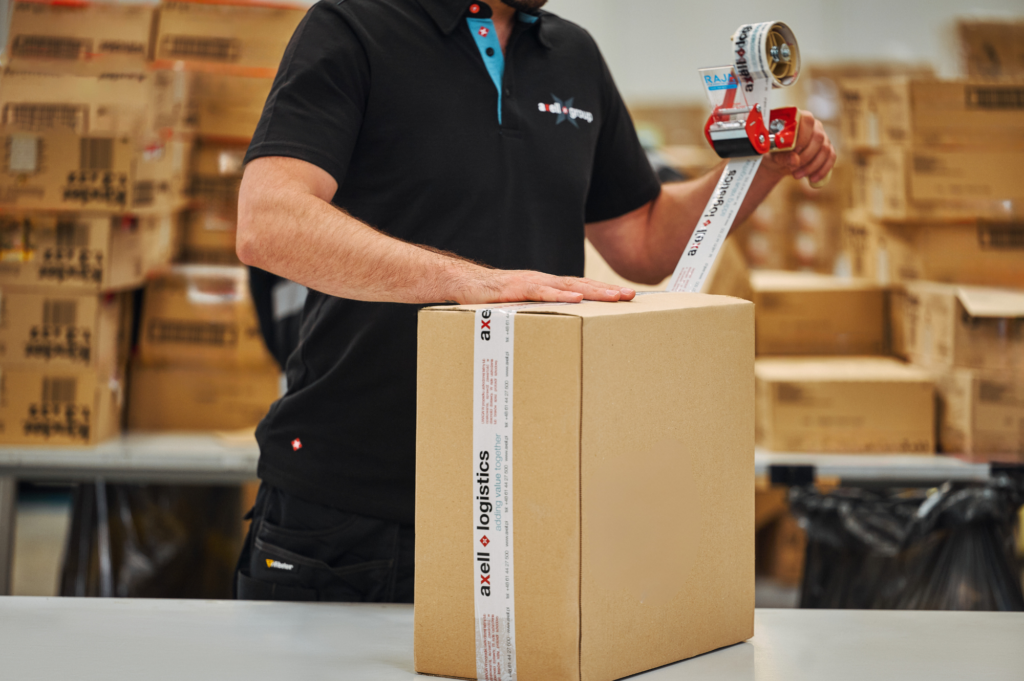
Value Added Services, often abbreviated as VAS, are additional logistics activities that are carried out alongside storage and transportation. Examples include labeling, packaging, repackaging, bundling products, or adding promotional materials. These services add extra value to products before they are shipped to stores, distribution centers, or end customers.
Within modern supply chains, value-added services play an increasingly important role. Companies are looking for ways to work more efficiently, improve the customer experience, and make products ready for sale more quickly without requiring additional activities within their own organization.
What does VAS mean?
VAS stands for Value Added Services. In logistics, this term refers to additional activities that take place in the warehouse before products reach their final destination.
The purpose of VAS is to better align products with the requirements of customers, retailers, or specific sales channels.
Examples of VAS characteristics include:
- Making products ready for sale.
- Performing customer-specific modifications.
- Combining additional activities within a single logistics process.
- Reducing lead times.
- Increasing supply chain efficiency.
Instead of first sending products to a separate location for processing, these activities can take place directly in the warehouse. This saves time, transportation movements, and costs.
Examples of value-added services
Value Added Services can vary significantly by industry and product category.
Common examples include:
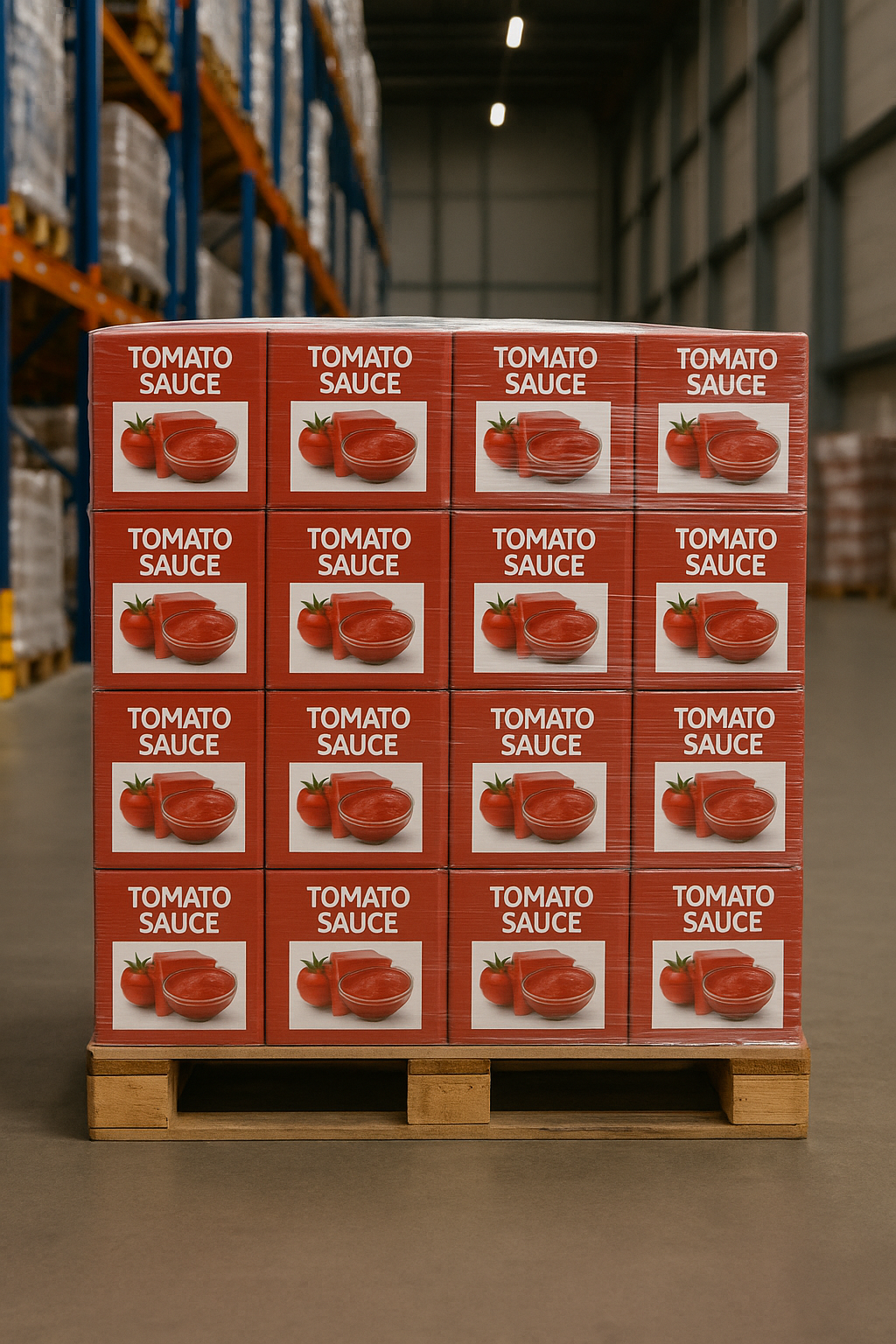
- Labeling and relabeling products for specific markets or retailers.
- Repacking and repackaging products for promotions or campaigns.
- Kitting and assembly, where multiple products are combined into one sale-ready package.
- Adding manuals, promotional materials, or inserts.
- Applying price stickers and retail packaging.
- Returns processing and quality inspections.
These activities are often combined with order processing and distribution, particularly within fulfilment services.
Why do companies use value-added services?
More and more organizations are choosing VAS to simplify logistics processes and respond more quickly to market changes.
When additional activities are integrated directly into the logistics process, greater flexibility is achieved. For example, products can be customized for a specific customer, retailer, or market at the last possible moment.
This provides benefits for companies that work with:
- Seasonal promotions.
- Retail campaigns.
- International distribution.
- Omnichannel sales models.
- Regularly changing product packaging.
By carrying out these activities close to inventory, companies can respond more quickly and reduce unnecessary handling.
What are the benefits and considerations?
Value Added Services can provide significant benefits for organizations that process large product volumes.
Benefits
- Shorter lead times: fewer steps within the logistics process.
- Greater flexibility: products can be adapted to customer requirements at a later stage.
- Lower operational costs: fewer transportation and processing steps.
- Improved customer satisfaction: products are ready for sale or use immediately.
- More efficient inventory flows: all logistics activities are managed centrally.
Considerations
- Proper process alignment is essential.
- Inventory management must be accurate.
- IT systems must support logistics activities.
- Capacity must be able to scale during peak periods.
Successful implementation of VAS therefore requires a well-organized logistics process and clear agreements between all parties involved.
How does a logistics partner support VAS?
For many companies, it is not efficient to perform all additional logistics activities entirely in-house. A specialized logistics partner often has the processes, systems, and capacity required to carry out these activities on a large scale.
By combining Value Added Services with warehousing, a single integrated process is created in which storage, inventory management, and product handling seamlessly connect.
With specialized Value Added Services, companies can prepare products for sale more quickly, manage peak volumes more effectively, and increase the efficiency of their supply chain.
Would you like to gain more insight into how additional logistics services can support your supply chain? Discover how warehousing, fulfilment, and VAS together contribute to a more efficient and scalable logistics operation