










Last-mile delivery is the final part of the logistics process in which an order is delivered from a distribution centre, warehouse or local hub to the end recipient. This can be a consumer, but also a store, business or healthcare institution.
Although the last few miles often represent only a small part of the total journey, they have a major impact on customer satisfaction. A fast, accurate and reliable delivery largely determines how customers experience the overall service.
Within modern supply chains, last-mile delivery has therefore become an important focus area for companies that want to improve their logistics performance.
What does last-mile delivery mean?
The term last-mile delivery refers to the final step in the transportation process. After products have been stored, picked and transported to a regional distribution point, they still need to be delivered to their final destination.
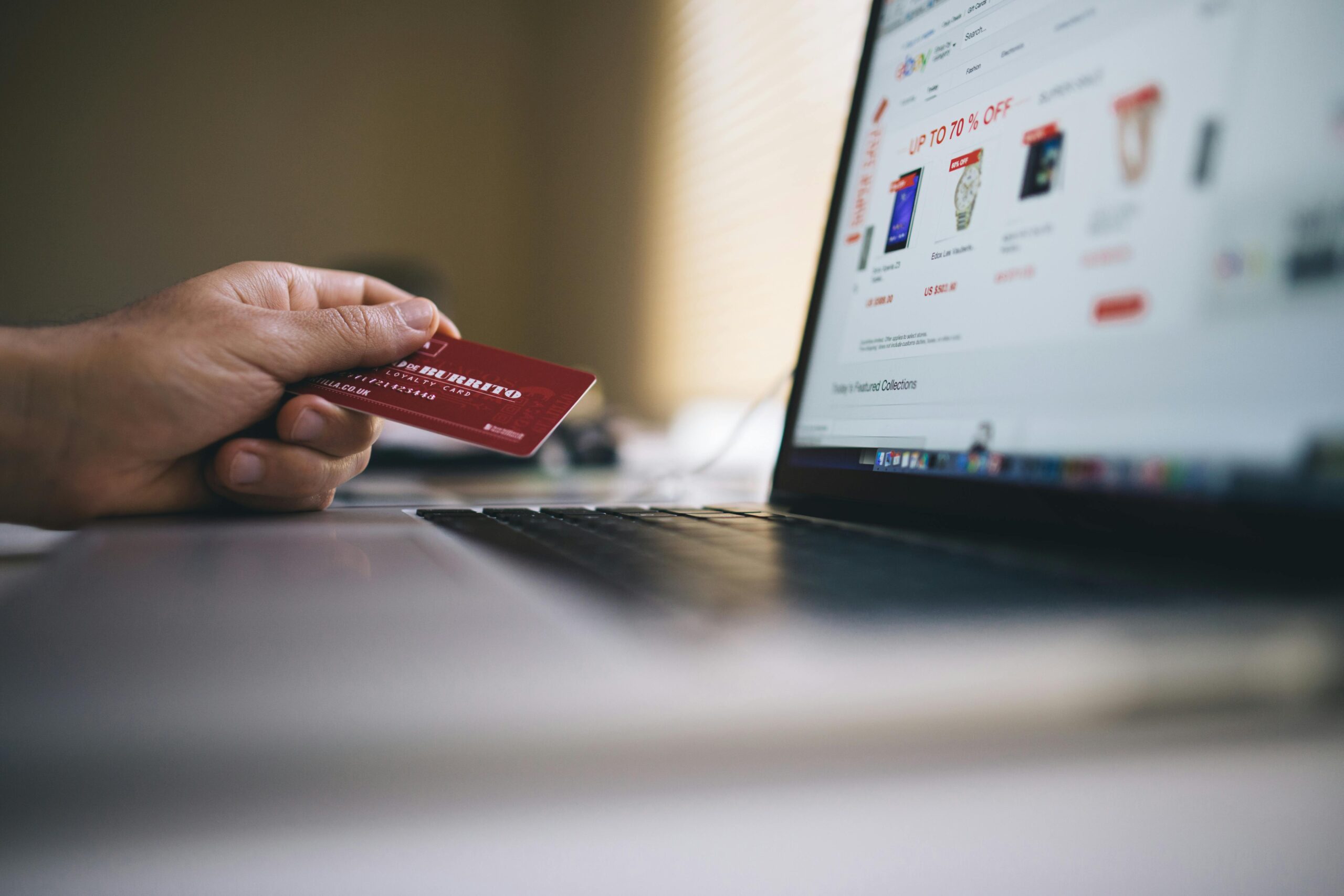
For e-commerce orders, this is often home delivery. In other sectors, it may involve deliveries to stores, offices or healthcare facilities.
The last mile is often the most visible part of the supply chain for the customer.
When a delivery arrives late, is damaged or is not delivered as agreed, it has a direct impact on the customer experience.
Why is last-mile delivery important?
Customers today expect increasing levels of flexibility and speed. Next-day delivery and even same-day delivery are becoming more common in many sectors.
As a result, last-mile delivery plays an important role in:
- Customer satisfaction
- Delivery reliability
- Competitive positioning
- Returns processing
- Cost control
For companies that depend on efficient distribution, a well-organised last-mile process can contribute to higher service levels and a better customer experience.
In addition, the final phase of the transportation process often has a direct impact on a brand’s reputation. After all, delivery is the moment when the customer actually interacts with the logistics service.
How does last-mile delivery work?
The last-mile delivery process begins after an order has been processed and prepared for shipment.
In broad terms, the process works as follows:
- A customer places an order.
- The order is picked and packed.
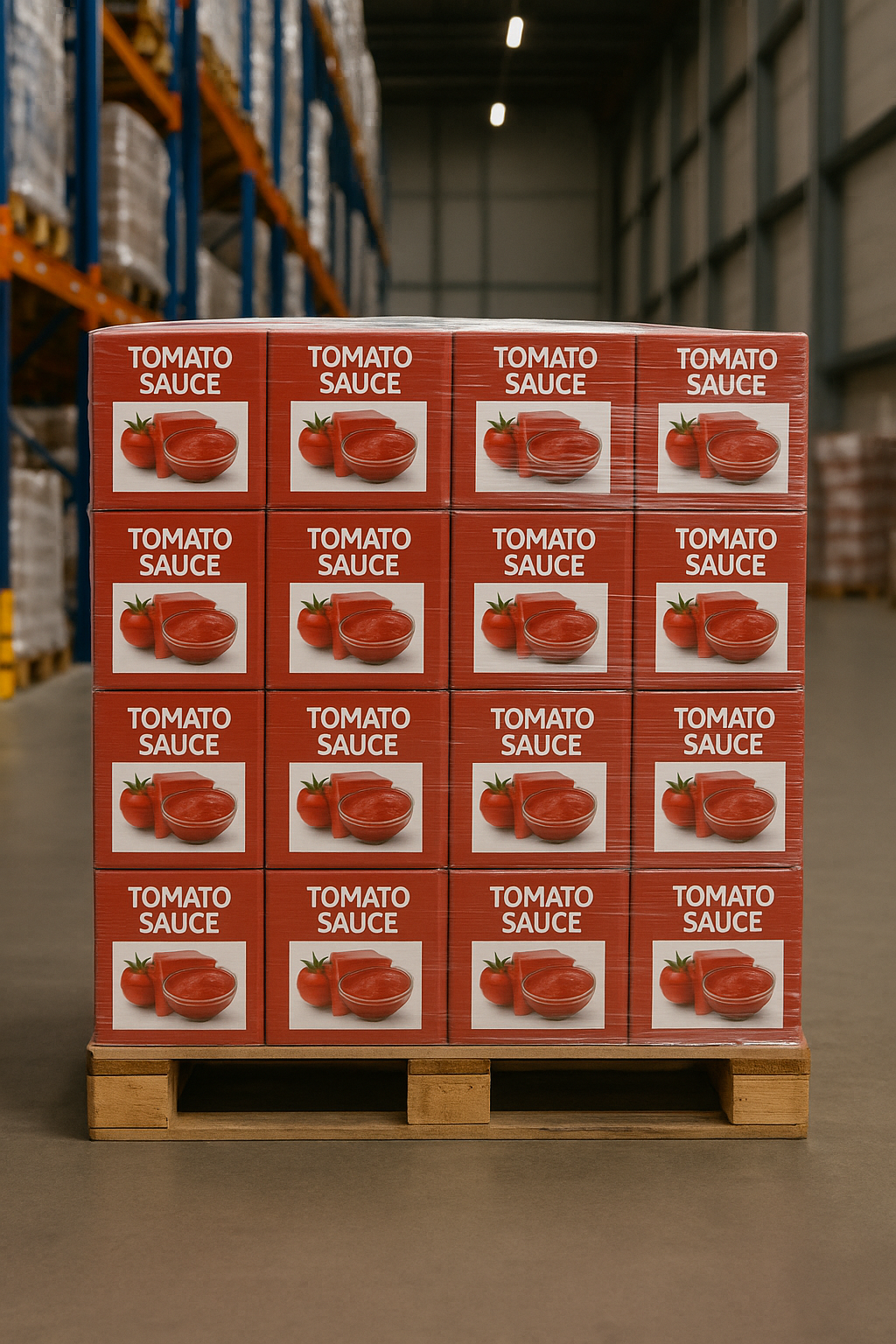
- The goods are transported to a regional distribution point.
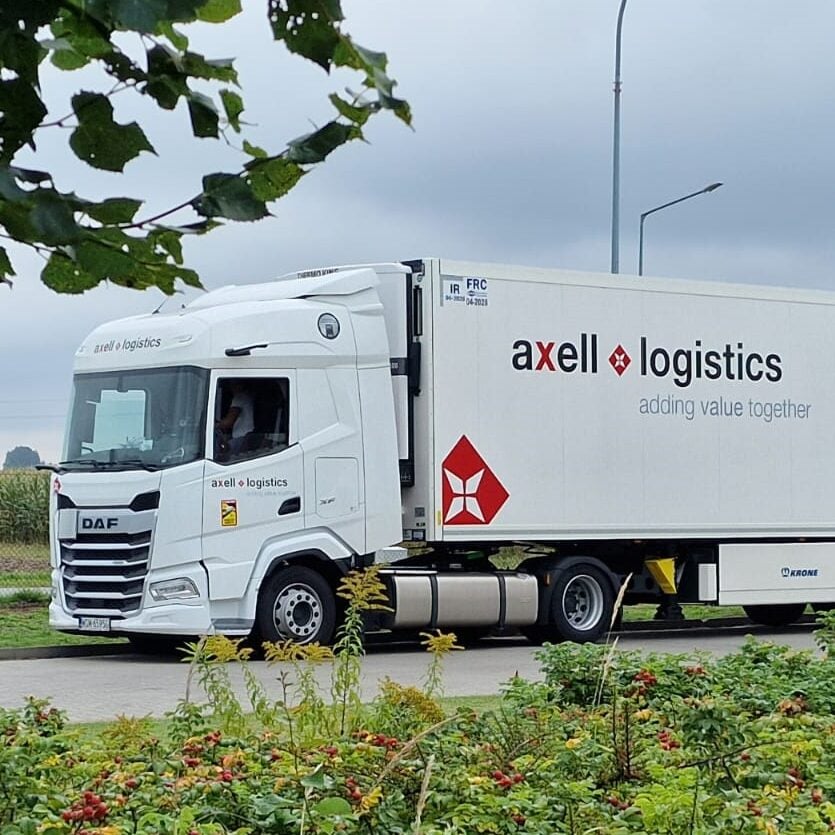
- A driver receives the shipment for final delivery.
- The order is delivered to the end recipient.
Within fulfilment services, order processing, inventory management and shipping are often organised in an integrated manner. This enables companies to respond more quickly to customer demand and execute deliveries more efficiently.
Technology also plays an increasingly important role. Examples include track-and-trace systems, real-time route planning and digital proof of delivery.
What challenges does last-mile delivery involve?
Despite the relatively short distance, the last mile is often the most complex and costly part of the logistics chain.
Common challenges include:
High delivery costs
The cost per delivery is relatively high because shipments are delivered individually.
Traffic congestion
Traffic jams and restricted access to urban areas can cause delays.
Customer expectations
Customers expect increasingly fast deliveries and extensive track-and-trace capabilities.
Failed delivery attempts
When a recipient is not available, additional costs and delays arise.
For this reason, many organisations invest in smart route planning and real-time visibility into transportation processes.
Benefits and considerations of last-mile delivery
A well-organised last-mile process offers several advantages.
Benefits
Higher customer satisfaction
Reliable deliveries contribute to a positive customer experience.
Greater delivery control
Real-time visibility makes it easier to monitor performance.
Faster lead times
Efficient processes result in shorter delivery times.
Competitive advantage
A strong delivery experience can be a key differentiator in the market.
Considerations
Cost control remains important
The last mile often represents a significant portion of total transportation costs.
Flexibility is essential
Traffic conditions and customer requirements can change continuously.
Scalability plays a role
Peak periods require sufficient transportation and distribution capacity.
How does a logistics partner support last-mile delivery?
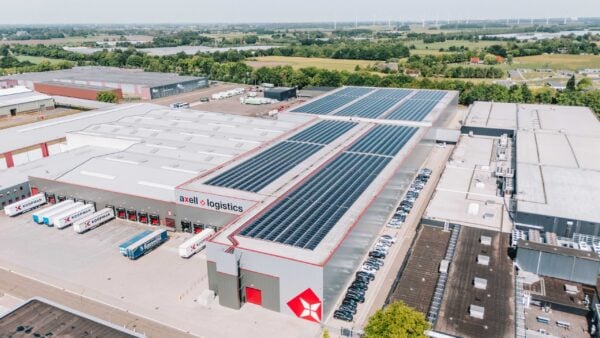
A logistics partner can help optimise the entire goods flow, from storage and order processing to transportation and final delivery.
By aligning processes intelligently, companies gain greater control over delivery times, inventory levels and customer expectations. Real-time visibility into transportation performance also helps identify and correct deviations quickly.
For companies delivering goods within the Netherlands, domestic transport can contribute to a reliable distribution structure and predictable deliveries.
Last-mile delivery never stands alone. The quality of the final delivery is strongly influenced by the processes that precede it. An efficient combination of fulfilment, distribution and transportation therefore forms the foundation of a strong customer experience.