

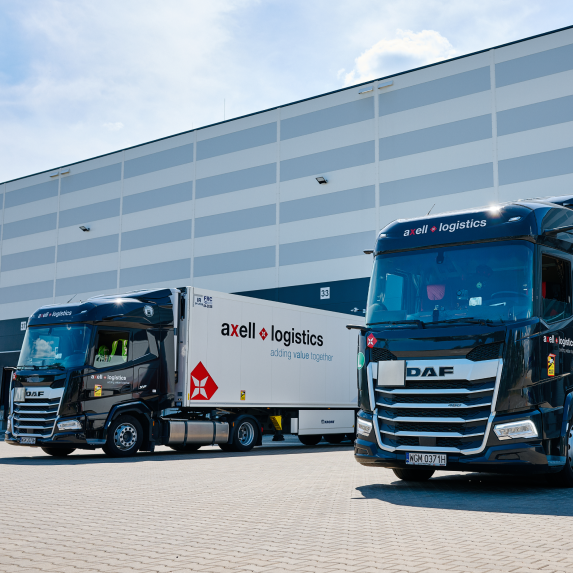








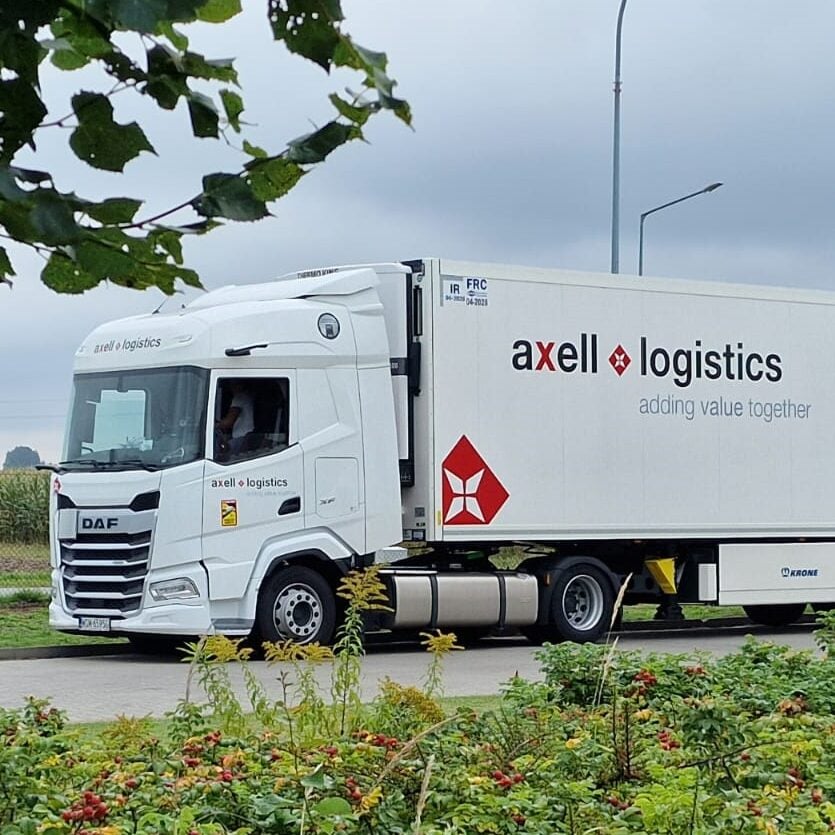





Service distribution is a logistics service in which products, parts or materials are delivered quickly and reliably to support service, maintenance or repair processes. The goal is to prevent downtime and ensure that businesses or end users receive the required goods as quickly as possible. Within the supply chain, service distribution is particularly important when speed, availability and delivery reliability are essential.
When is service distribution used?
Service distribution is used in situations where fast delivery has a direct impact on a customer’s business operations. Examples include spare parts for machinery, technical equipment or products required for maintenance work. Sectors such as retail, healthcare and high-tech also rely on service distribution to keep their operations running smoothly.
By having the right products available at the right time, organisations can minimise delays and maintain their service levels.
What are the benefits of service distribution?
A well-organised service distribution process offers several advantages:
- Fast availability of products and parts, reducing downtime.
- Higher delivery reliability through efficient planning and distribution.
- Greater control over logistics processes through real-time visibility into inventory and shipments.
- Improved customer satisfaction because delivery commitments are met more consistently.
- Scalable logistics, making it easier to respond to changing demand.
At the same time, service distribution requires close coordination between inventory management, warehouse operations and transportation. Without up-to-date information or efficient planning, delivery times can quickly come under pressure.
Service distribution in practice
In practice, service distribution is supported by modern logistics systems such as a Warehouse Management System (WMS) and a Transport Management System (TMS). These systems provide organisations with real-time visibility into inventory, orders and transportation movements.
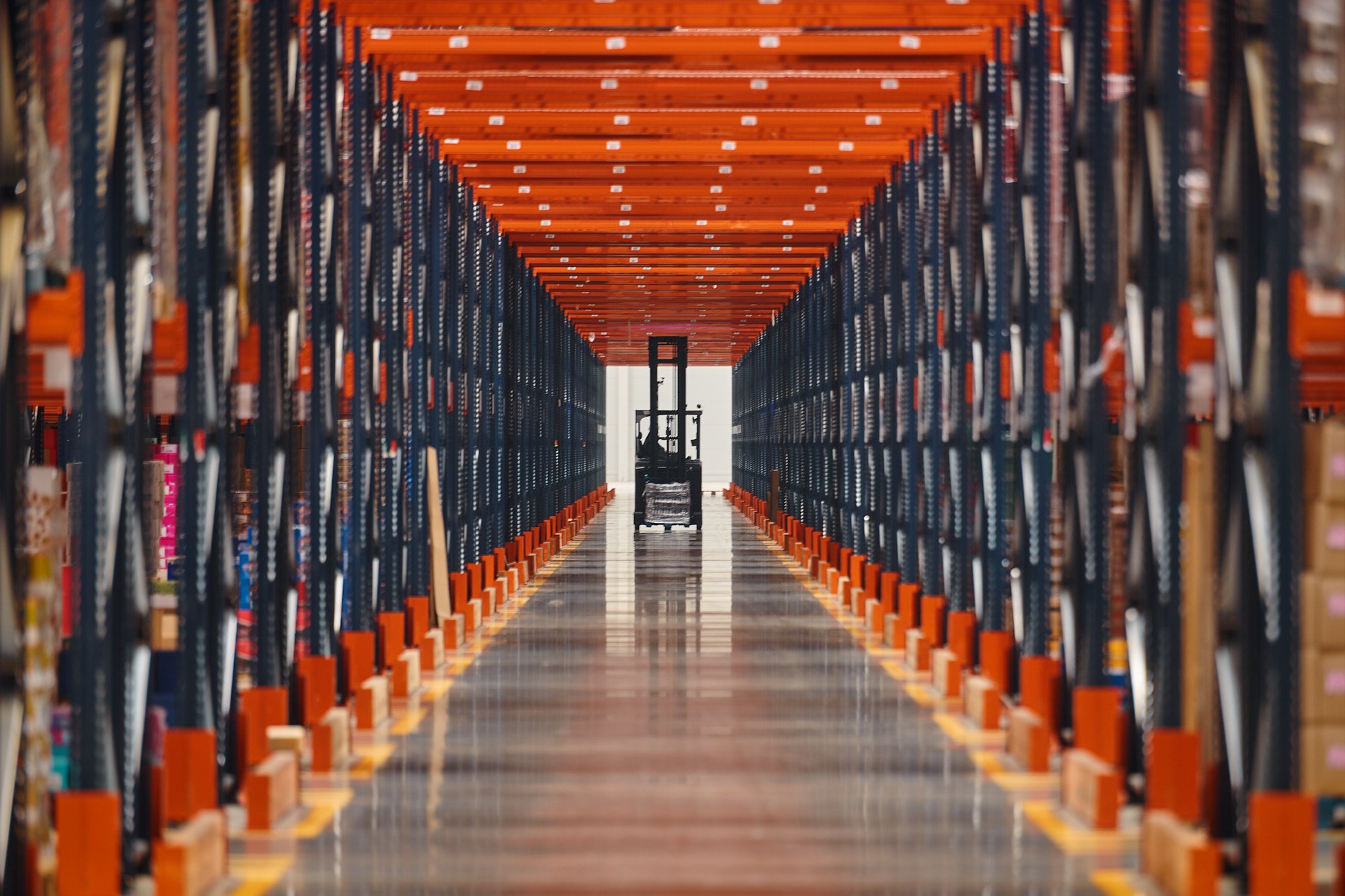
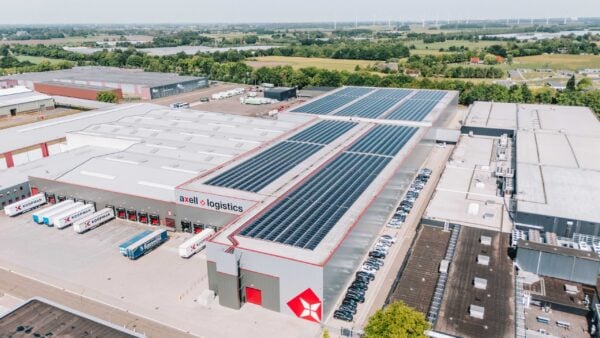
An efficient combination of warehousing and distribution ensures that products are readily available and reach the correct location without unnecessary delays. By aligning logistics processes effectively, companies can respond flexibly to urgent deliveries and changing customer demands.
How does a logistics partner support this?
A logistics partner helps organisations organise and optimise their service distribution processes. This starts with the efficient storage of goods and continues through to reliable delivery at the agreed location and time.
By using integrated logistics processes, real-time monitoring and intelligent transport planning, businesses gain greater control over the entire flow of goods. This helps organisations improve their service levels while keeping logistics costs under control.
Would you like to learn more about optimising your distribution processes? Discover how transportation within the Netherlands and integrated logistics services can contribute to an efficient and reliable supply chain.