








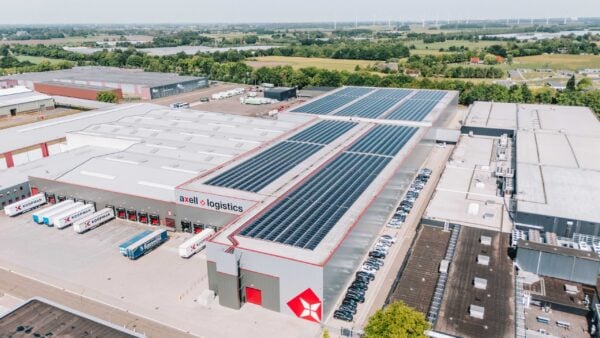




A Regional Distribution Centre (RDC) is a distribution centre responsible for the storage, processing and distribution of goods within a specific region. From an RDC, products are efficiently distributed to stores, wholesalers, distribution points or end customers. Within the supply chain, a Regional Distribution Centre serves as a strategic hub that enables companies to shorten delivery times, organise transportation more efficiently and improve product availability.
For organisations serving multiple countries or regions, a Regional Distribution Centre often forms an essential part of a scalable and well-organised logistics strategy.
What is the difference between a Regional Distribution Centre and a warehouse?
The terms warehouse and Regional Distribution Centre are regularly used interchangeably, but they have different functions.
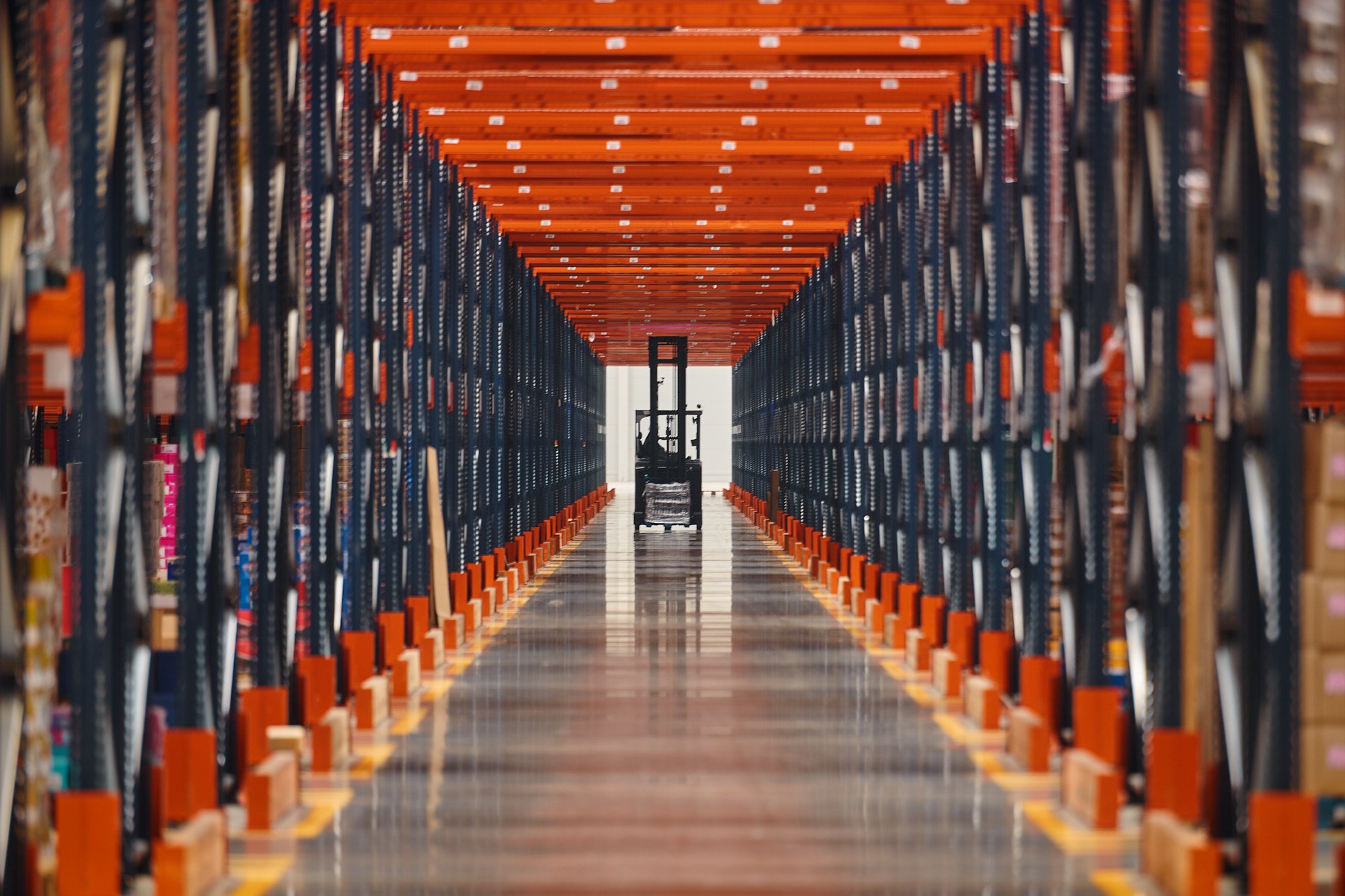
A warehouse is primarily intended for the storage of goods. A Regional Distribution Centre goes one step further. In addition to storage, it also handles logistics activities such as order processing, inventory management, transport planning and the distribution of goods to various destinations within a region.
As a result, the focus of an RDC is not only on storage, but above all on the rapid flow of goods. Products often remain in a Regional Distribution Centre for a shorter period than they do in a traditional warehouse.
Why do companies choose a Regional Distribution Centre?
As businesses grow and serve multiple markets, the complexity of distribution also increases. Deliveries must be made more quickly, transportation costs continue to rise and customers expect a high level of delivery reliability.
A Regional Distribution Centre helps companies manage these challenges more effectively. By storing inventory centrally within a region, transportation can be planned more efficiently and the distance to customers can be reduced. This results in shorter delivery times, lower logistics costs and greater flexibility when demand changes.
For international organisations, an RDC can also contribute to better inventory allocation and a higher level of delivery reliability across Europe.
How does a Regional Distribution Centre work?
Within a Regional Distribution Centre, goods go through several logistics processes before reaching their final destination.
Products are received from suppliers, factories or central warehouses. Upon arrival, the goods are inspected and registered in a Warehouse Management System (WMS). They are then stored until an order is received. More information about professional storage can be found on the warehousing page.
Once an order is received, the products are picked, packed and prepared for shipment. A Transport Management System (TMS) then ensures efficient planning of distribution to customers, stores or regional distribution points.
Depending on the logistics setup, additional activities such as labelling, repacking, quality inspections or kitting may also take place within a Regional Distribution Centre.
What are the benefits and considerations?
A Regional Distribution Centre offers companies many advantages when supplying multiple markets from a single region.
The main benefits include faster deliveries, improved inventory availability, more efficient transport planning and greater control over the logistics chain. In addition, companies can respond more easily to peak periods and seasonal fluctuations in demand.
However, an RDC also requires close coordination between suppliers, carriers and logistics systems. Without real-time visibility of inventory and transportation, efficiency can quickly decline. The location of a Regional Distribution Centre is also a key factor in the overall performance of the distribution network.
How does a logistics partner support this?
Managing a Regional Distribution Centre requires specialist knowledge, modern IT systems and sufficient logistics capacity. That is why many organisations choose to outsource these activities to an experienced logistics partner.
A logistics service provider combines warehousing, inventory management, order fulfilment and distribution into one integrated process. By using real-time WMS and TMS solutions, companies gain continuous visibility of inventory, orders and transportation. This enables businesses to respond more quickly to market changes while focusing on their core activities.
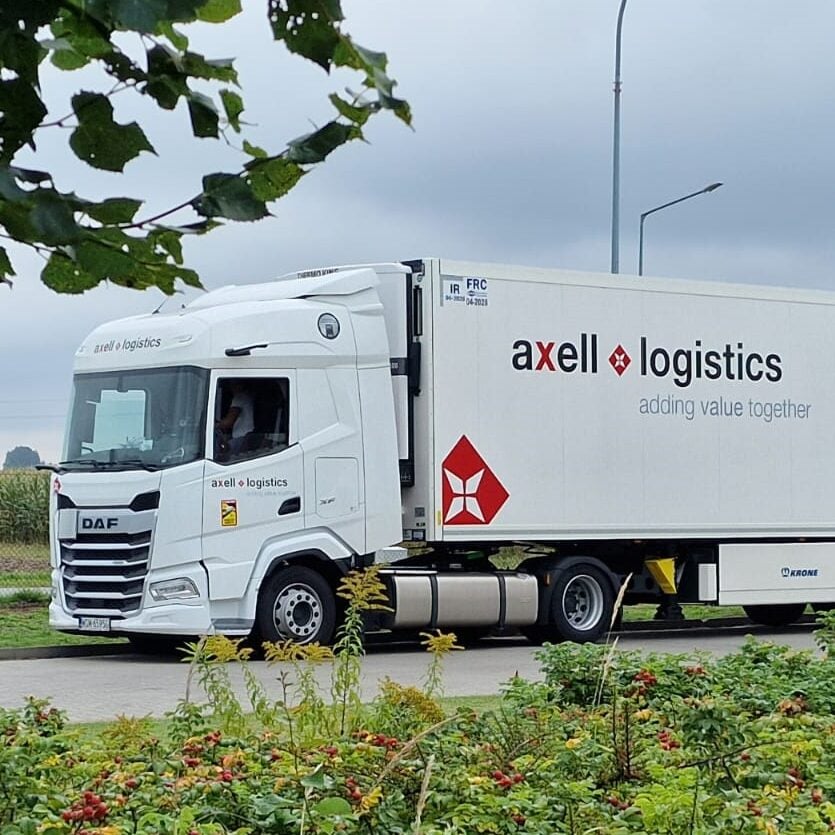
At Axell Logistics, warehousing, distribution and transportation are combined within a logistics network with locations in the Netherlands and Poland. This enables companies to organise their European distribution more efficiently while maintaining real-time visibility of their logistics processes. Would you like to learn more about this approach? Read more about contract logistics or discover how Third Party Logistics (3PL) can support your distribution.