









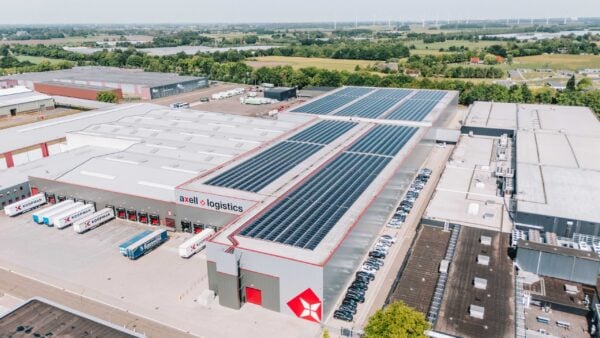





A logistics hub is a central location where goods are received, stored, processed and then distributed to customers, stores or other distribution points. Within the supply chain, a logistics hub serves as the connecting link between suppliers, storage and transportation. By bringing logistics processes together at one strategic location, companies can operate more efficiently, shorten delivery times and gain greater control over their goods flows.
For organisations operating nationally or internationally, a logistics hub can play an important role in optimising the supply chain.
What is the difference between a logistics hub and a distribution centre?
The terms logistics hub and distribution centre are often used interchangeably, but they do not mean exactly the same thing.
A distribution centre is primarily focused on the storage and shipment of goods. A logistics hub has a broader function. It brings together various logistics activities, such as storage, inventory management, order processing, transport planning, returns logistics and value-added services such as repacking or labelling. This creates one central location from which goods can be efficiently distributed to multiple destinations.
For companies with multiple suppliers, sales channels or international customers, a logistics hub therefore often offers greater flexibility than a traditional distribution centre.
Why do companies choose a logistics hub?
As an organisation grows, logistics processes become increasingly complex. Suppliers deliver at different times, customers expect short delivery times and inventory must remain continuously available. A logistics hub helps organise these processes in a clear and efficient way.
By centralising goods flows, companies gain greater control over inventory, transport can be planned more efficiently and unnecessary transport movements are reduced. This often results in lower logistics costs, higher delivery reliability and better utilisation of storage capacity. In addition, a logistics hub makes it easier to handle peaks in demand, for example during seasonal periods or promotional campaigns.
For companies distributing across Europe, a strategically located hub can also reduce transport distances and enable more efficient replenishment of multiple countries.
How does a logistics hub work?
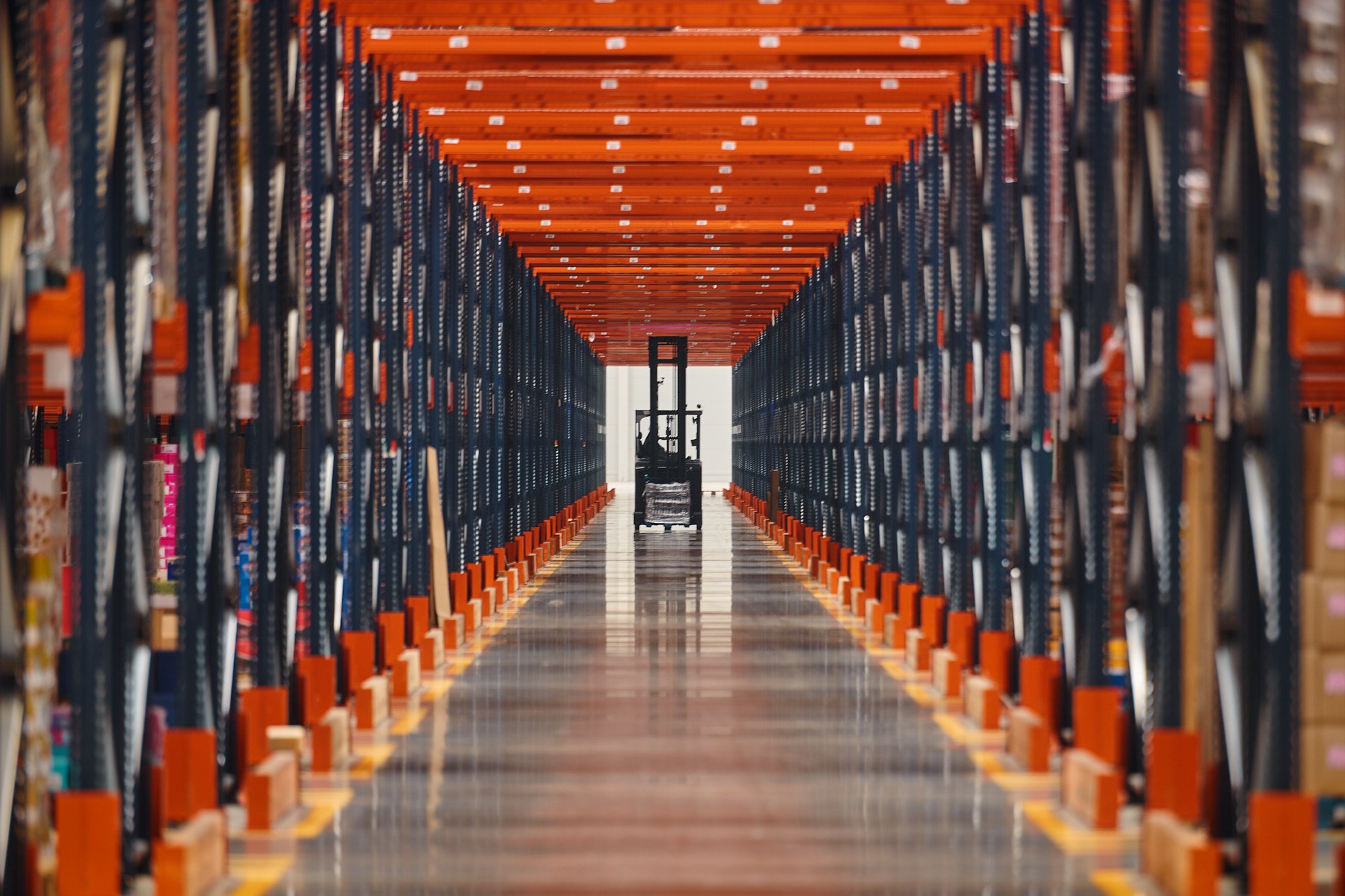
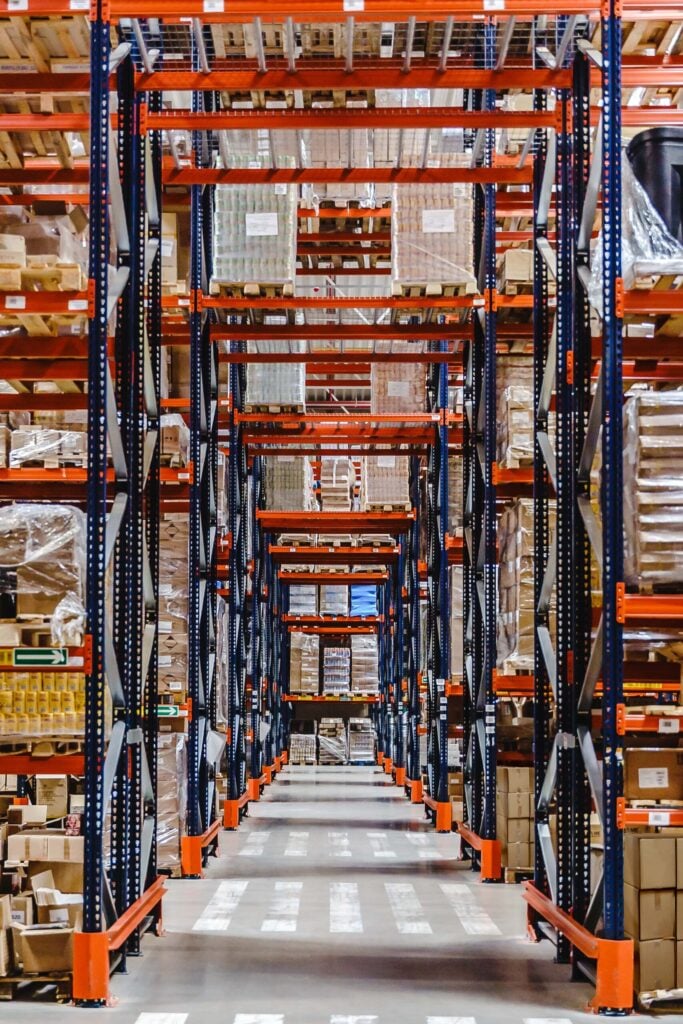
Within a logistics hub, goods follow a logical process. Products are first received from suppliers or production facilities. They are then inspected, registered and stored in the warehouse.
Using a Warehouse Management System (WMS), inventory is continuously monitored. This provides companies with real-time insight into stock levels and enables orders to be processed quickly. More information about professional storage can be found on the warehousing page.
When an order is received, the products are picked, packed and, if required, provided with additional services such as labelling, repacking or kitting. The goods are then shipped to stores, distribution centres or end customers. By consolidating shipments and planning routes efficiently, delivery times are reduced and vehicle capacity is utilised more effectively.
What are the benefits and points to consider?
A logistics hub offers organisations many advantages, but it also requires close cooperation between all parties involved in the supply chain.
The main benefits are greater control over logistics processes, improved inventory availability, more efficient transport planning and lower operational costs. In addition, companies can respond more quickly to changes in demand and scale up more easily during busy periods.
On the other hand, a logistics hub only performs optimally when all processes are properly aligned. Reliable IT integration between systems, clear agreements with suppliers and a strategically chosen location are essential conditions for successful collaboration.
How does a logistics partner support this?
Managing a logistics hub requires specialist knowledge, modern systems and sufficient operational capacity. That is why many organisations choose to outsource these activities to a logistics partner.
A logistics service provider can integrate warehousing, inventory management and distribution into one efficient process. By using real-time WMS and TMS systems, companies gain continuous insight into inventory levels, order statuses and transport movements. This allows businesses to focus on their core activities while their logistics processes are managed professionally.
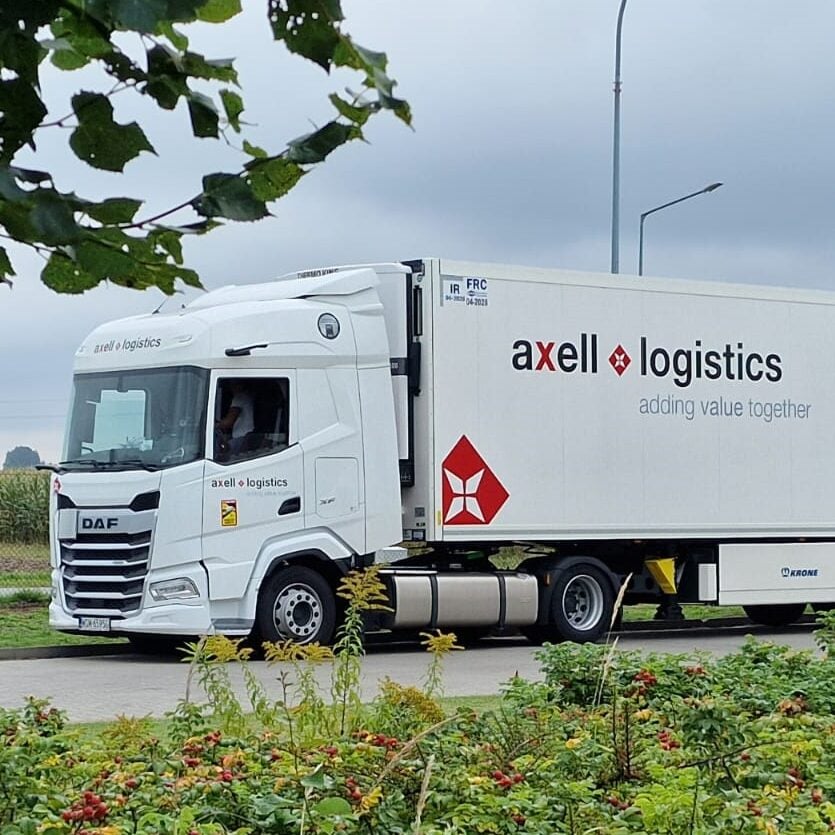
At Axell Logistics, warehousing, transportation and inventory management are combined within one integrated logistics network across the Netherlands and Poland. This enables companies to organise their supply chain more efficiently while maintaining real-time visibility of their logistics processes. Would you like to learn more about this approach? Read more about contract logistics or discover what Third Party Logistics (3PL) can do for your organisation.