



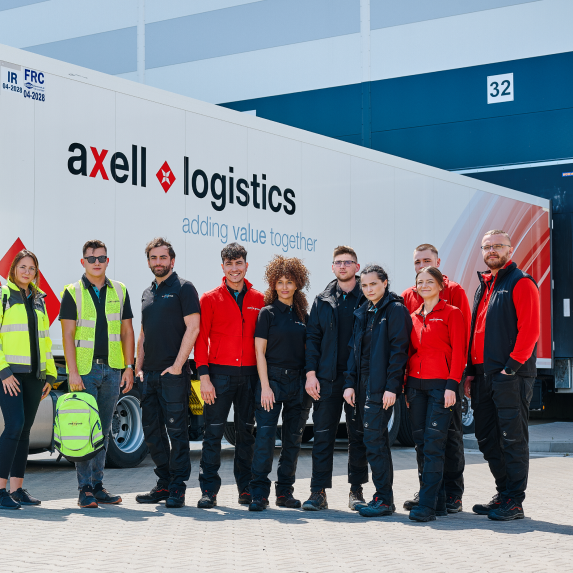











A logistics employee ensures that goods are received, stored, processed and shipped correctly. This role forms an important link within the supply chain, as logistics employees contribute daily to the smooth operation of logistics processes. From incoming goods to outgoing orders, a logistics employee ensures that everything is available in the right place and at the right time.
In warehouses, distribution centres and fulfilment locations, logistics employees are indispensable for maintaining an efficient flow of goods and a high level of delivery reliability.
What is a logistics employee?
A logistics employee is responsible for various tasks within a warehouse or distribution centre. The exact duties vary by organisation, but the goal is always the same: to efficiently manage and support the flow of goods.
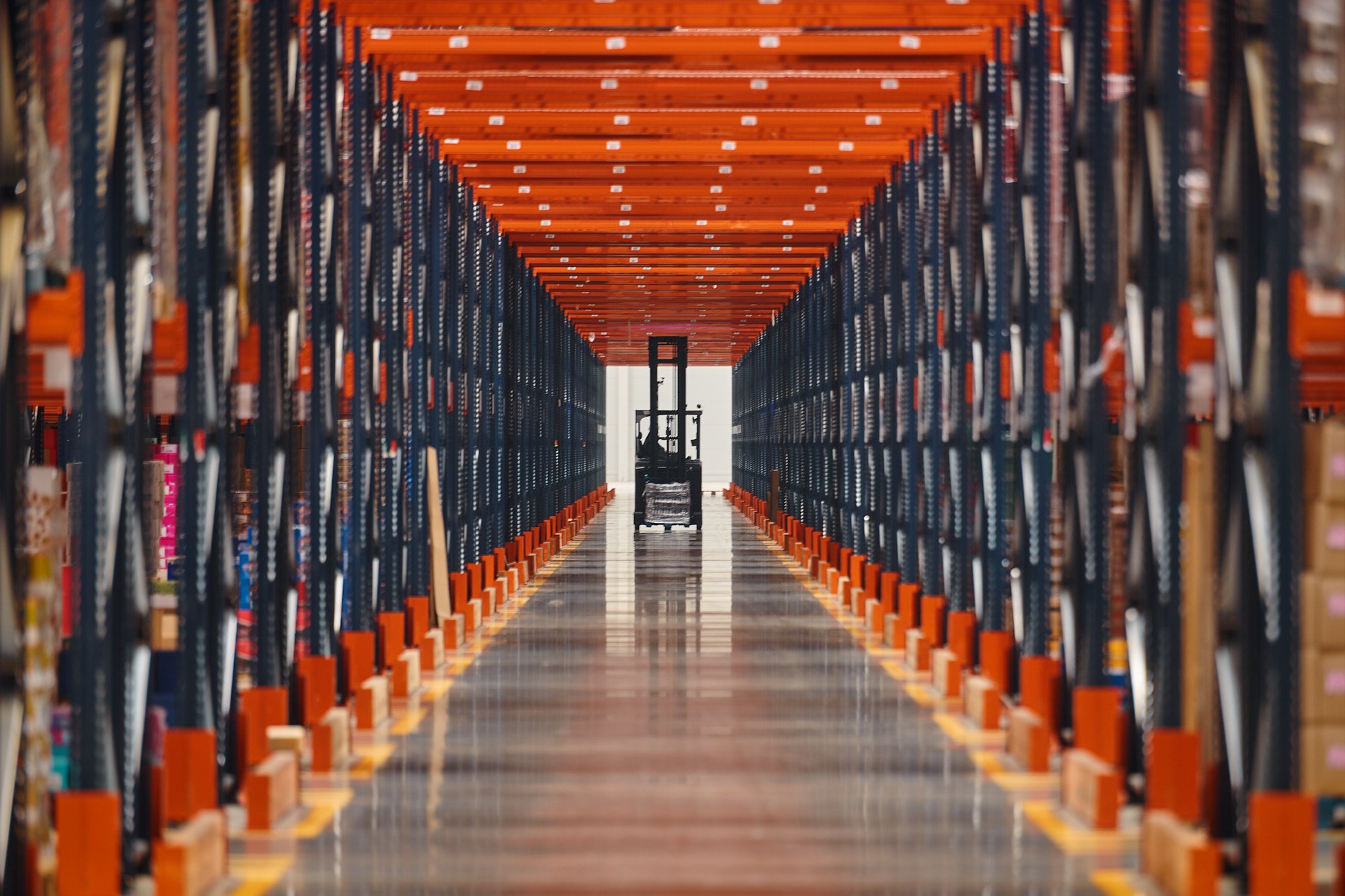
Logistics employees often work with scanners, Warehouse Management Systems (WMS), forklifts and other logistics tools to process goods quickly and accurately.
Due to the growth of e-commerce and international supply chains, the role of logistics employees has become increasingly important in recent years.
What does a logistics employee do in practice?
The daily tasks of a logistics employee can vary significantly. Depending on the organisation and role, different activities may be part of the job.
Receiving goods
When goods arrive, the logistics employee checks whether the delivery matches the order. This includes verifying quantities, quality and any damage.
Storing goods
After inspection, products are stored in the correct location. This ensures that goods can be quickly located when needed.
Order picking
An important part of the job is collecting products for customer orders. Items are selected based on order information.
Within fulfilment services, order picking forms an essential part of the process of delivering orders to customers quickly and accurately.
Packing and shipping
Once orders have been collected, they are checked, packed and prepared for shipment. Correct processing helps prevent errors and returns.
Supporting inventory management
Logistics employees assist with inventory checks and identify discrepancies. This helps keep inventory records accurate and reliable.
Where does a logistics employee work?
Logistics employees work in various environments.
Common locations include:
- Warehouses
- Distribution centres
- Fulfilment centres
- Manufacturing companies
- Transport and logistics organisations
Within modern warehousing environments, digital systems are increasingly used to support employees in processing goods and managing inventory.
Which skills are important?
A logistics employee does not always need a specific qualification, but certain skills are important.
Accuracy
A small mistake can have major consequences for inventory management or deliveries. That is why careful working practices are essential.
Teamwork
Logistics processes consist of many interconnected steps. Good cooperation with colleagues contributes to an efficient flow of goods.
Flexibility
Work volumes can fluctuate due to seasonal peaks, promotions or changing customer demand.
Sense of responsibility
Logistics employees play an important role in meeting delivery commitments and maintaining quality standards.
Why is a logistics employee important?
Customers expect fast and error-free deliveries. Behind every successful delivery is a logistics process in which logistics employees play a central role.
By receiving, storing and processing goods correctly, they contribute to:
- Reliable inventory levels
- Faster order processing
- Fewer errors
- Higher customer satisfaction
- Efficient logistics processes
Without logistics employees, many supply chains would not operate in the way customers and organisations expect.
How does a logistics partner support this?
Within modern logistics organisations, logistics employees work together with planners, inventory managers, transport coordinators and customer service departments. Thanks to this collaboration, an efficient flow of goods is created from receipt to delivery.
Organisations that use integrated logistics solutions benefit from streamlined processes, real-time visibility and scalable capacity. Within contract logistics, logistics employees form an important link in achieving reliable storage, order processing and distribution.