









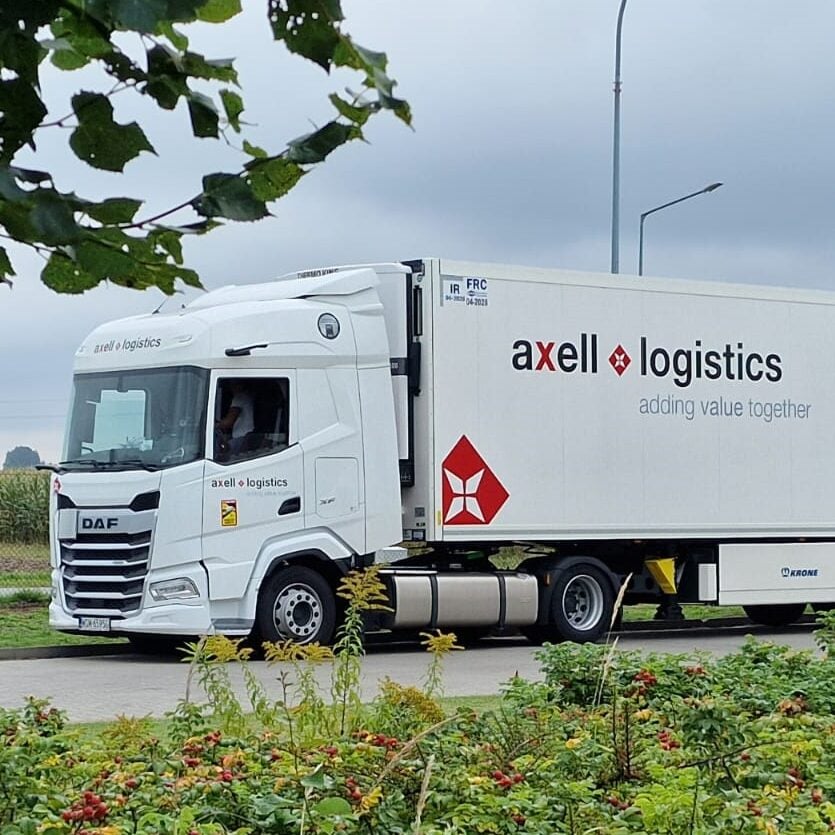





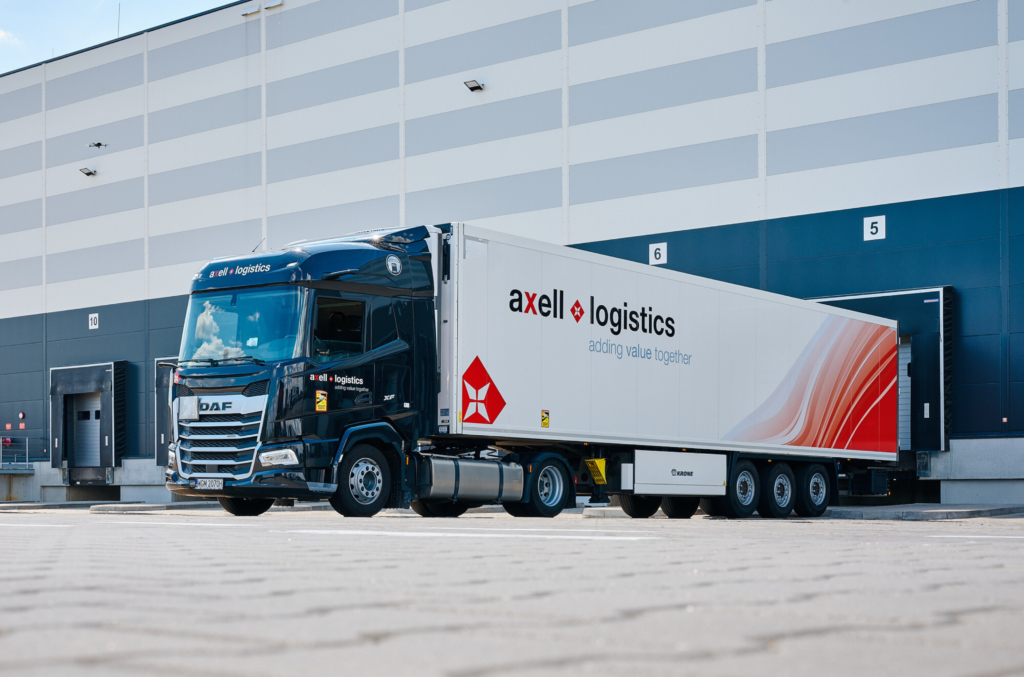
Distribution is the process of transporting goods from a storage location or production facility to their final destination. This can be a store, distribution center, business customer, or end user. Within logistics and supply chain management, distribution forms the link between inventory management and delivery.
An efficient distribution process ensures that products are available at the right time, in the right place, and in the right quantities. That is why distribution plays a crucial role in the performance of modern supply chains.
What is distribution?
Distribution includes all activities required to move goods from a supplier or warehouse to the recipient. This involves not only transportation, but also order processing, route planning, transshipment, and delivery.
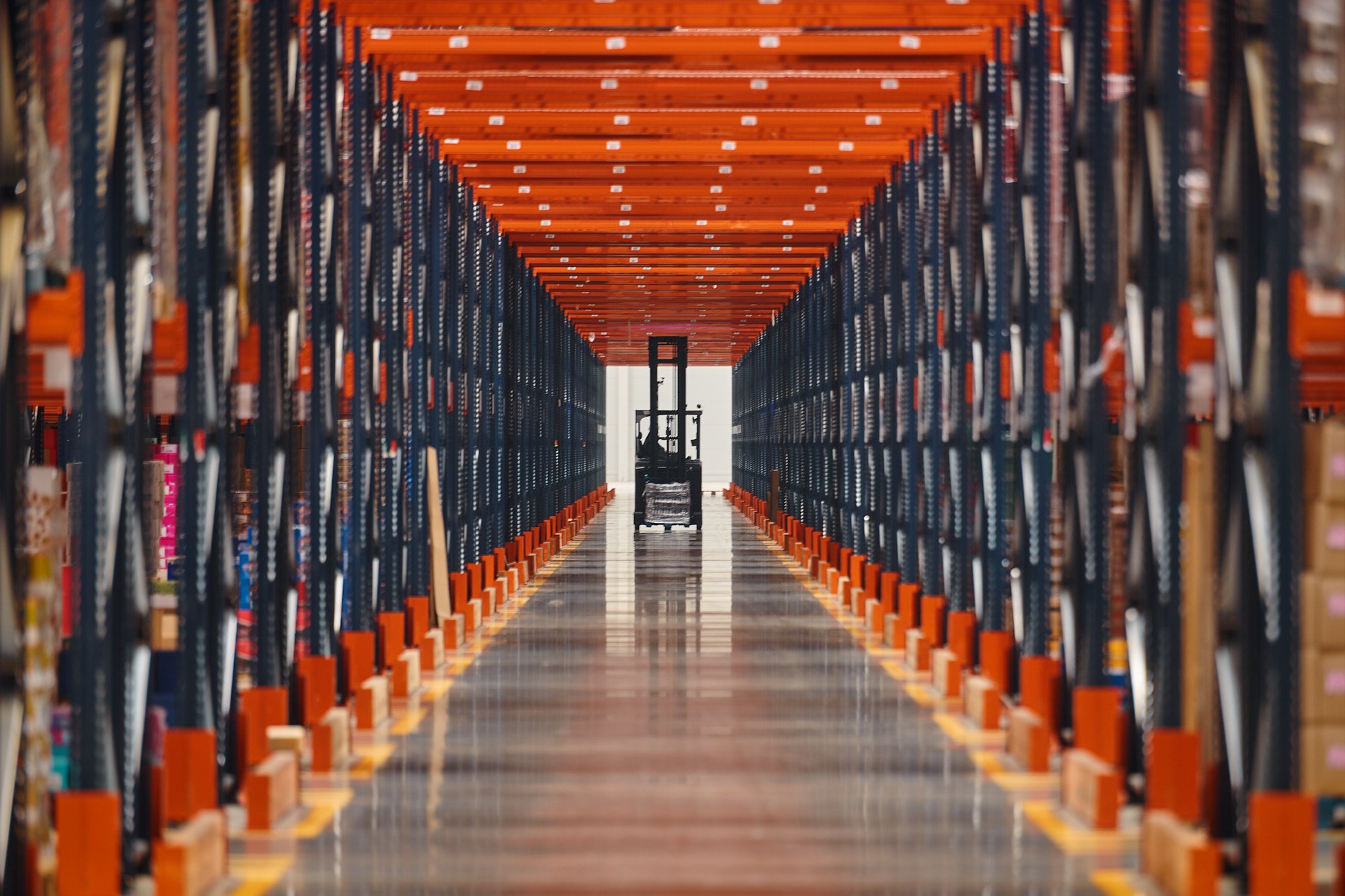
After products have been stored in a warehouse, they are picked, packed, and prepared for shipment. The distribution process then ensures that these goods reach their destination according to the agreed delivery times and conditions.
The goal of distribution is to organize goods flows as efficiently as possible while achieving a high level of delivery reliability.
How does distribution work?
A distribution process usually begins when a customer places an order or when goods need to be replenished at another location. Based on this demand, orders are processed and prepared for shipment.
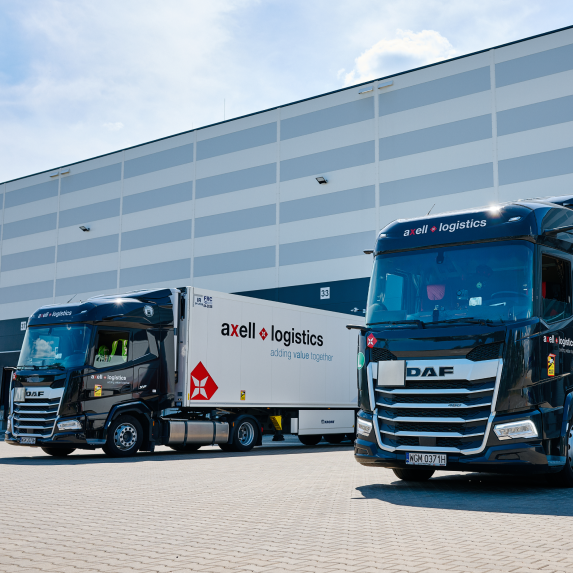
Transport is then planned, and goods are assigned to the appropriate routes. Depending on the distribution network, products may be transported directly to their final destination or processed through one or more distribution centers.
Modern logistics organizations use systems such as Warehouse Management Systems (WMS) and Transport Management Systems (TMS). These systems provide real-time visibility into inventory, orders, and transportation activities, enabling processes to be managed more efficiently.
What does this mean in practice?
In practice, distribution is visible in almost every industry. A retailer must replenish stores on time, an e-commerce company wants to deliver orders quickly to consumers, and a manufacturer must transport products to customers or distribution centers.
When distribution processes do not function properly, delays can occur that affect the entire supply chain. Examples include empty store shelves, longer delivery times, or higher operational costs.
A well-organized distribution network helps organizations gain better control over goods flows and serve customers more reliably. As a result, not only does operational efficiency improve, but customer satisfaction also increases.
Benefits and considerations of distribution
Efficient distribution offers several advantages. Organizations can deliver faster, manage inventory levels more effectively, and respond more flexibly to changes in demand. In addition, a well-designed distribution process contributes to lower logistics costs and a higher service level.
At the same time, distribution also presents challenges. Increasing customer expectations, traffic congestion, labor shortages, and international goods flows are making distribution networks increasingly complex. Furthermore, shorter delivery times require precise coordination between storage, transportation, and order processing.
Successful distribution therefore requires visibility, planning, and strong collaboration between all links in the logistics chain.
How does a logistics partner support this?
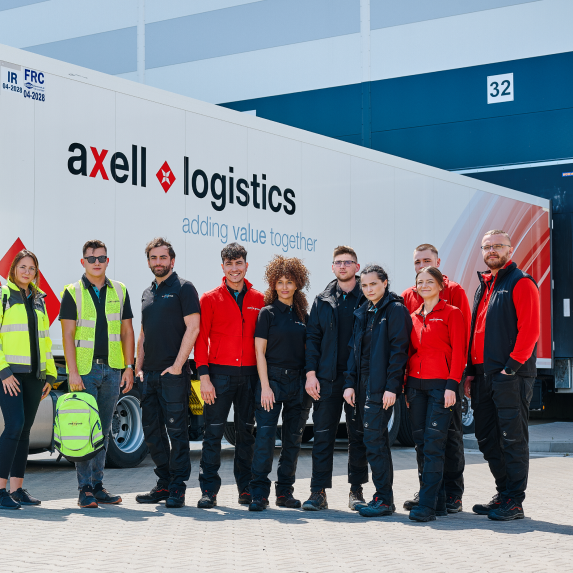
Many organizations work with a logistics partner to organize their distribution processes more efficiently. By using professional distribution services, goods flows can be planned, monitored, and executed more effectively.
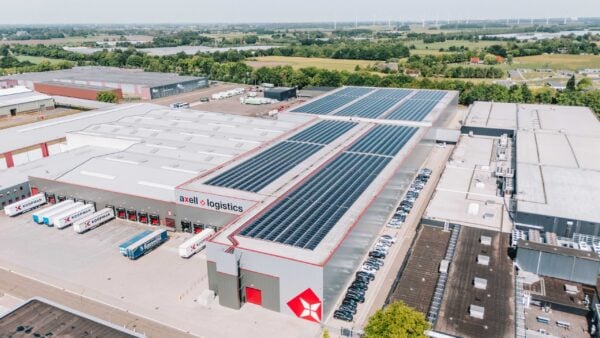
In addition, warehousing often forms the foundation of an efficient distribution process. By aligning storage and distribution, organizations gain greater control over inventory and order processing.
For companies looking to integrate multiple logistics activities, contract logistics can improve coordination between storage, inventory management, fulfillment, and distribution. When additional scalability is required, a 3PL solution provides extra support in logistics execution and supply chain management.