












Warehouse optimisation is the process of improving processes, layout, and resources within a warehouse to store, process, and ship goods more efficiently. The goal is to increase productivity, reduce operational costs, and improve the quality of logistics processes.
Within modern supply chains, warehouse optimisation plays an important role. As order volumes increase and customers have higher expectations regarding delivery times, an efficiently designed warehouse becomes increasingly important to an organisation’s performance.
What does warehouse optimisation mean?
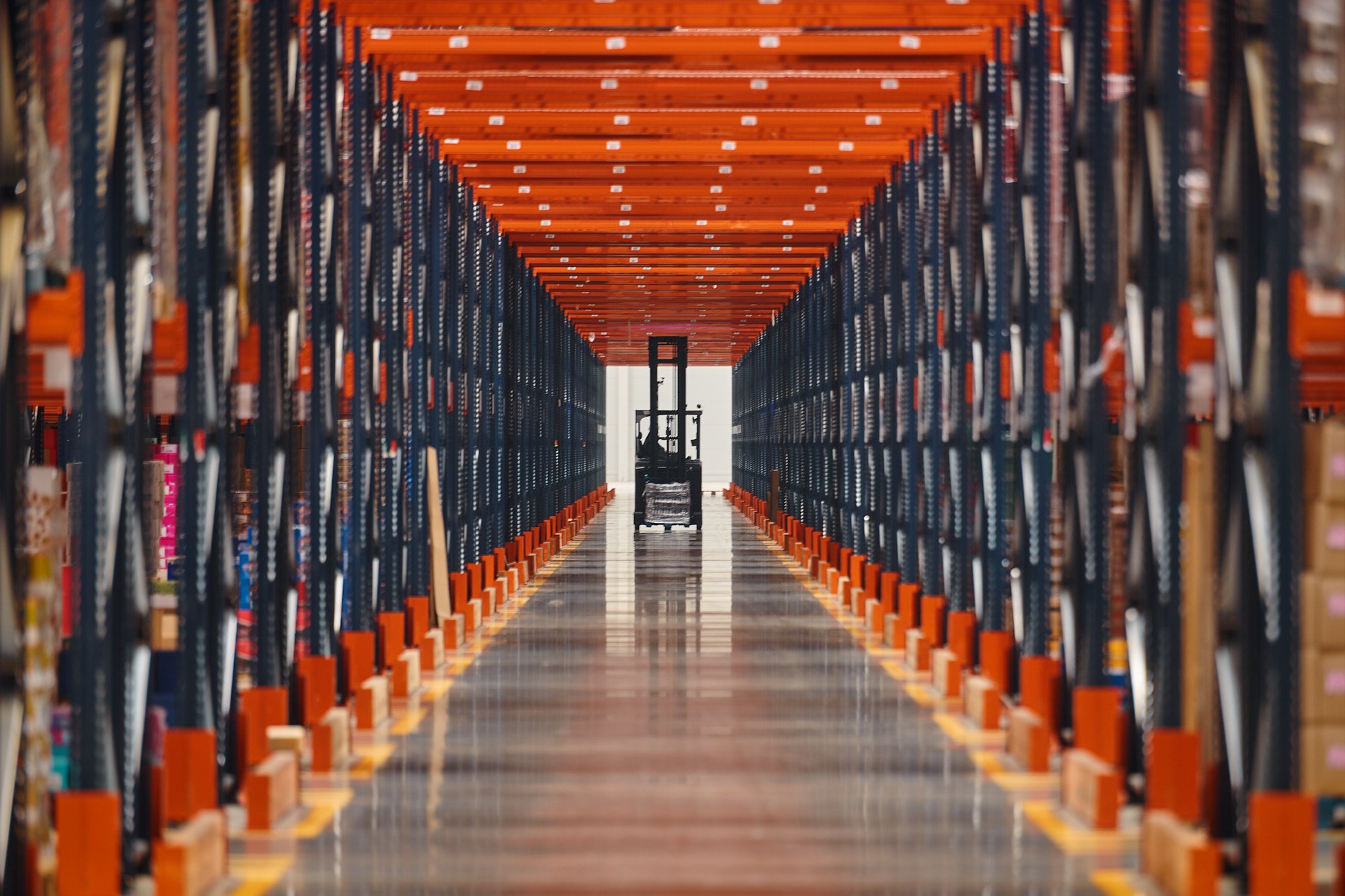
Warehouse optimisation includes all measures that contribute to a more efficient warehouse operation. This involves examining the warehouse layout, product locations, employee routing, the use of technology, and the way goods flows are managed.
The objective is to minimise waste of time, space, and resources. By organising processes more intelligently, organisations can process more orders without immediately requiring additional capacity.
Warehouse optimisation is all about creating a warehouse that operates faster, more accurately, and more cost-effectively.
How does warehouse optimisation work?
Warehouse optimisation begins with analysing existing processes. This involves identifying where bottlenecks occur and which activities consume unnecessary time or capacity.
Improvements can then be implemented in various areas. Examples include a more efficient warehouse layout, better inventory locations, shorter walking routes for employees, and the use of digital systems for inventory management and order processing.
Many organisations use a Warehouse Management System (WMS) to gain real-time insight into inventory levels, goods flows, and operational performance. This enables processes to be continuously monitored and adjusted.
In addition, automation is playing an increasingly important role. Examples include scanners, pick-to-light systems, and automated storage and order-picking solutions.
What does this mean in practice?
In practice, warehouse optimisation has a direct impact on the speed and quality of logistics processes. An inefficient warehouse can lead to long order processing times, shipping errors, and higher operational costs.
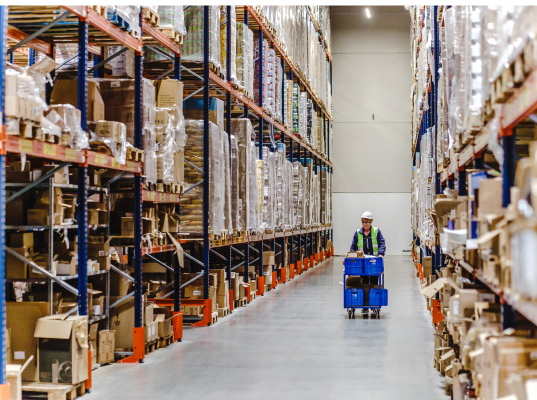
For example, if popular products are spread across different warehouse locations, employees must travel unnecessary distances during order picking. By strategically positioning these items, processing times can be significantly reduced.
Organisations dealing with growing order volumes also benefit from warehouse optimisation. A more efficient warehouse makes it possible to process more orders without immediately investing in additional storage space or personnel.
Benefits and considerations of warehouse optimisation
A key benefit of warehouse optimisation is increased productivity. Orders can be processed more quickly, improving delivery times and enabling better customer service.
In addition, optimisation helps reduce operational costs. By making more efficient use of storage space and streamlining processes, resources are utilised more effectively.
At the same time, warehouse optimisation requires a structured approach. Changes to processes, systems, or warehouse layouts must be implemented carefully to avoid disruptions. Reliable data is also essential to properly support improvement initiatives.
Successful warehouse optimisation is therefore not a one-time project, but a continuous process of analysing, improving, and monitoring.
How does a logistics partner support this?
Many organisations work with a logistics partner to further optimise warehouse processes. Thanks to specialised expertise and advanced systems, improvement opportunities can be identified and implemented more quickly.
Professional warehousing forms the foundation for efficient storage, inventory management, and order processing. In addition, effective coordination with distribution ensures that goods flows move smoothly from the warehouse to the final destination.
For organisations looking to integrate multiple logistics processes, contract logistics offers the ability to centrally manage storage, inventory management, and transportation. When additional flexibility and scalability are required, a 3PL solution can provide further support.