
















Inventory consists of all goods, products, raw materials, or materials that an organization keeps on hand to meet future demand. These goods may be intended for sale, production, or distribution. Inventory forms an essential part of virtually every supply chain and plays an important role in the continuity of business operations.
Good inventory management ensures that products are available when customers need them, while at the same time limiting unnecessary storage costs and capital tied up in stock.
What does inventory mean?
Inventory is the collection of goods that an organization has available at a given moment. Depending on the type of business, inventory may consist of finished products, semi-finished products, raw materials, or packaging materials.
Companies maintain inventory to absorb fluctuations in supply and demand. This allows customers to be served quickly without products having to be produced or ordered repeatedly.
The amount of inventory an organization maintains depends on various factors, such as demand patterns, lead times, storage capacity, and the desired level of delivery reliability.
Inventory enables companies to continue supplying products even when demand suddenly increases or deliveries are delayed.
What types of inventory are there?
Not every type of inventory serves the same function within the supply chain. Depending on the business model, different types of inventory can be distinguished.
Raw material inventory
These are materials required for the production of goods. Manufacturers maintain this inventory to ensure production processes can continue without interruptions.
Work in progress
Work in progress consists of products that are still in the production process and are not yet ready for sale.
Finished goods
These are products that have been fully manufactured and are immediately available for sale or distribution.
Safety stock
Safety stock is an additional buffer maintained to absorb unexpected fluctuations in demand or lead times.
Why is inventory important?
Inventory plays a crucial role within logistics processes. Without sufficient inventory, companies cannot deliver on time, which can lead to lost revenue and dissatisfied customers.
At the same time, inventory comes with costs. Products occupy storage space, require management, and represent capital that is not available for other purposes.
That is why organizations continuously seek the right balance between availability and cost.
An effective inventory strategy contributes to:
- Higher delivery reliability.
- Better customer satisfaction.
- Fewer disruptions in production or distribution.
- More efficient use of working capital.
How is inventory managed?
Inventory management revolves around recording, monitoring, and optimizing inventory levels. Modern organizations use digital systems that provide real-time visibility into available inventory.
When products are received, stored, moved, or sold, these inventory movements are automatically recorded. This creates an up-to-date overview of the inventory position.
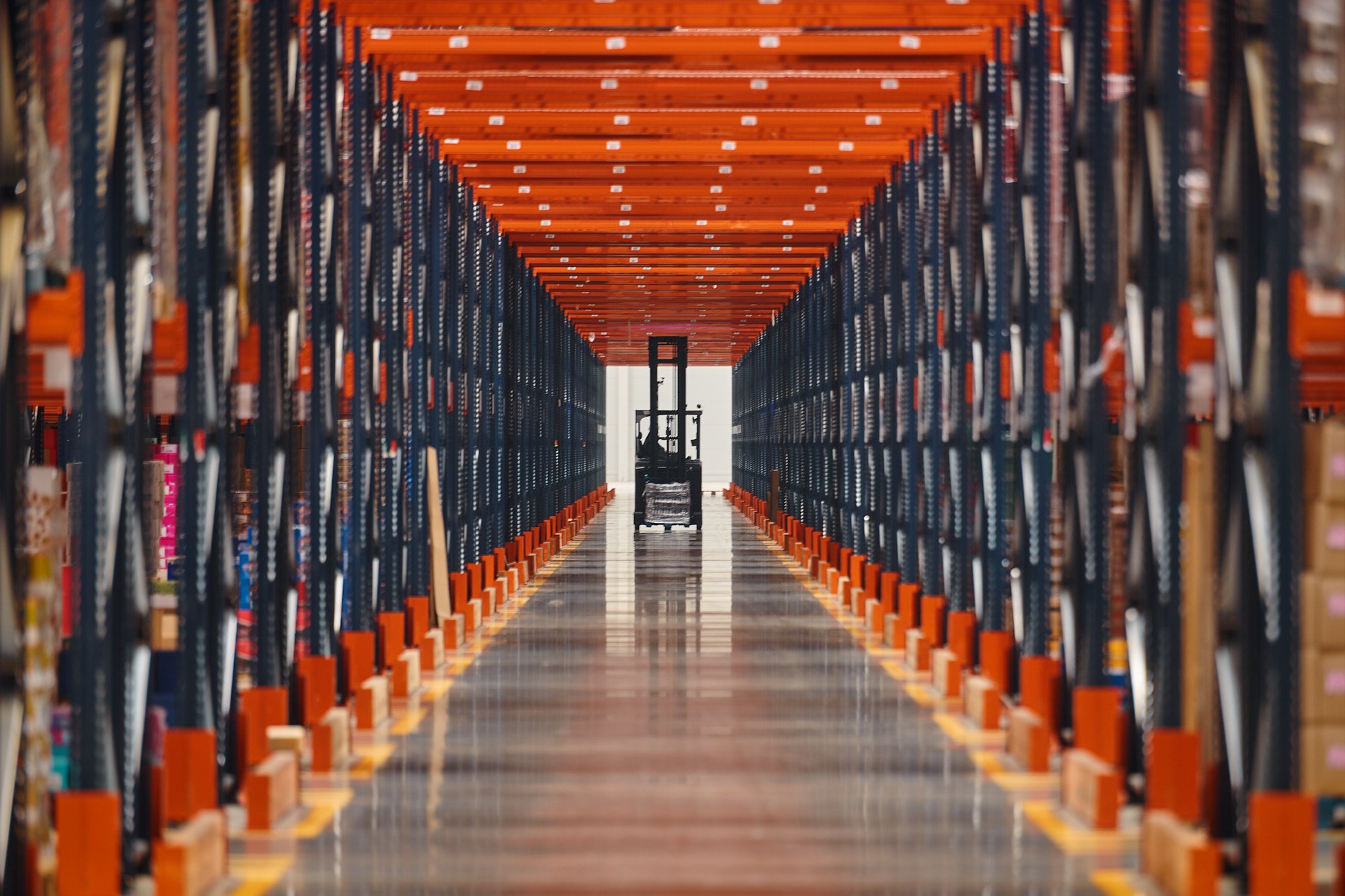
Based on this information, companies can determine when new inventory should be ordered and how much inventory is required to meet demand.More and more organizations use advanced warehousing solutions and Warehouse Management Systems (WMS) for this purpose.
What are the risks of having too much inventory?
Although inventory is important, excessive inventory also carries risks.
When companies maintain more inventory than necessary, the amount of capital tied up in stock increases. In addition, storage costs, insurance costs, and the risk of product obsolescence increase.
Particularly in industries with rapidly changing products or limited shelf life, excess inventory can lead to write-downs and loss of value.
For this reason, many organizations focus on inventory optimization to better align inventory levels with actual demand.
What are the risks of having too little inventory?
Insufficient inventory can also cause problems.
When products are unavailable at the moment customers want to order them, deliveries may be delayed or fail altogether. This can result in lost sales, production downtime, or reduced customer satisfaction.
In addition, companies may need to place urgent orders to resolve shortages, which can lead to additional costs.
A healthy inventory position helps minimize these risks.
Which KPIs are used for inventory management?
Organizations use various KPIs to measure inventory performance.
One of the most important indicators is inventory turnover. This KPI shows how often inventory is sold and replenished during a specific period.
In addition, companies often monitor:
- Inventory value.
- Delivery reliability.
- Service level.
- Number of stock shortages.
- Storage costs.
By continuously monitoring these indicators, companies can further optimize their inventory management.
Which sectors are highly dependent on inventory management?
Virtually every sector deals with inventory management, but its importance varies by industry.
Within retail and e-commerce, inventory is directly linked to product availability for customers.
Inventory management also plays an important role within the high-tech sector, food industry, and healthcare because of the high requirements for delivery reliability and product availability.
For manufacturing companies, inventory also forms an essential link between procurement, production, and distribution.
How can a logistics partner support this?
Professional inventory management requires visibility, technology, and efficient logistics processes. A logistics partner can support organizations with real-time inventory management, scalable storage capacity, and advanced reporting.
By making use of modern warehousing and contract logistics, companies can gain greater control over their inventory levels and goods flows.
This creates a better balance between availability, costs, and delivery reliability, contributing to a more efficient and future-proof supply chain.