











Food logistics encompasses all logistics processes required to transport food products safely, efficiently, and on time from the producer to the final destination. This includes the storage, inventory management, order processing, transportation, and distribution of food products within the supply chain.
Unlike many other product categories, factors such as shelf life, food safety, and inventory rotation play an important role in food logistics. A well-organized logistics process helps companies maintain product quality, reduce waste, and supply customers on time.
What does food logistics mean?
Food logistics, also referred to as food supply chain logistics, focuses on managing goods flows within the food industry. This includes all steps from receiving products to delivering them to retailers, wholesalers, foodservice businesses, or other customers.
Within food logistics, it is not only about transportation. Inventory management, storage conditions, product traceability, and logistics planning are also essential. Because many food products have a limited shelf life, processes must be carefully aligned.
An efficient food supply chain ensures that products are available at the right time without compromising quality or food safety.
Why is food logistics important?
The food industry places high demands on logistics processes. Products often need to be delivered within specific time windows and, in many cases, stored or transported under controlled conditions.
In addition, retailers, wholesalers, and consumers expect a constant availability of products. Delays or errors within the logistics chain can lead to empty shelves, lost revenue, and unnecessary waste.
Food logistics helps companies manage these challenges by organizing goods flows efficiently and providing visibility into inventory levels, deliveries, and product availability.
Food safety also plays an important role. According to the Netherlands Food and Consumer Product Safety Authority (NVWA), companies must be able to demonstrate that food products have been processed and stored safely throughout the entire supply chain.
How does food logistics work?
Food logistics consists of several logistics processes that together ensure a reliable flow of goods.
Storage of food products
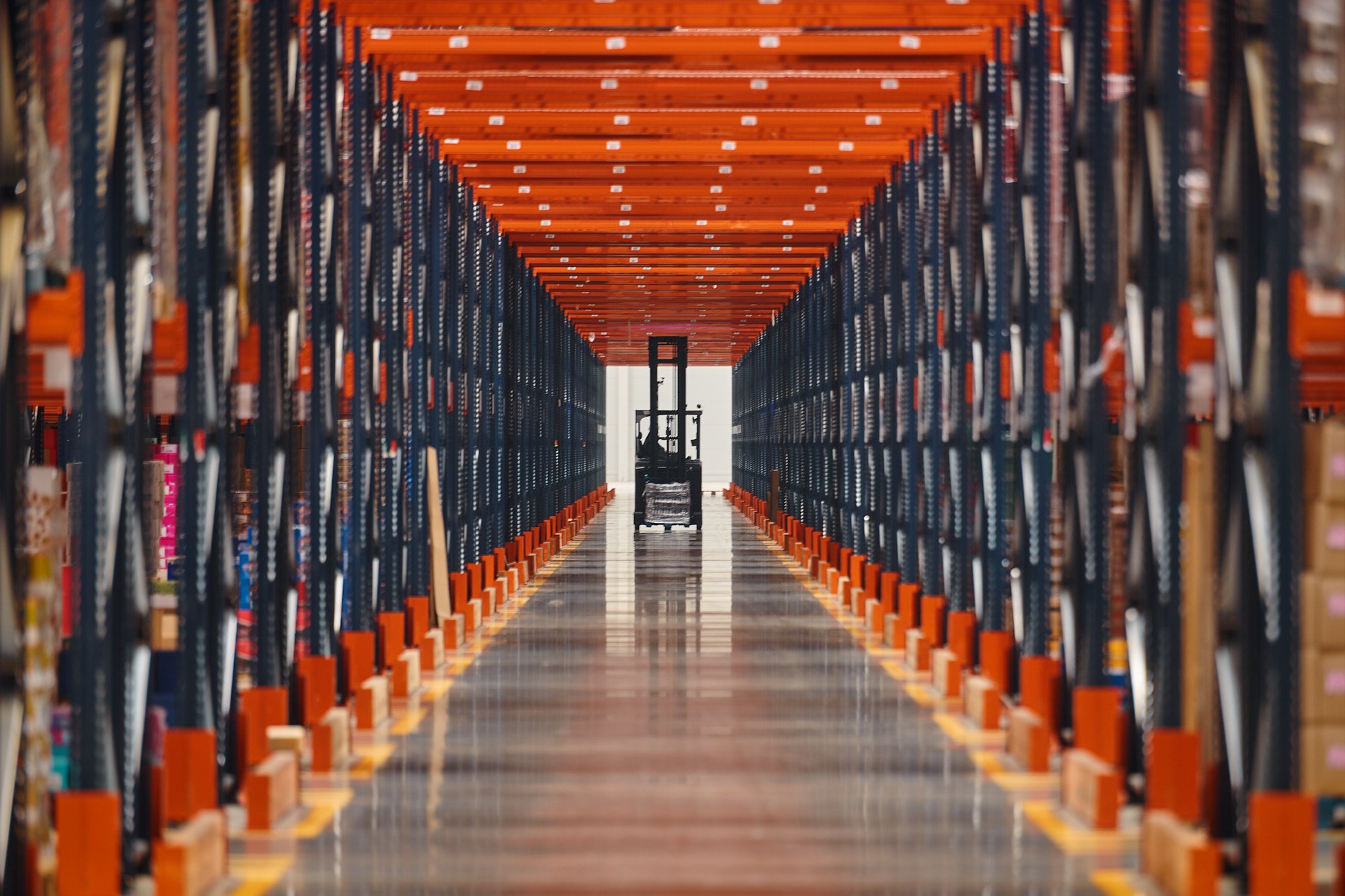
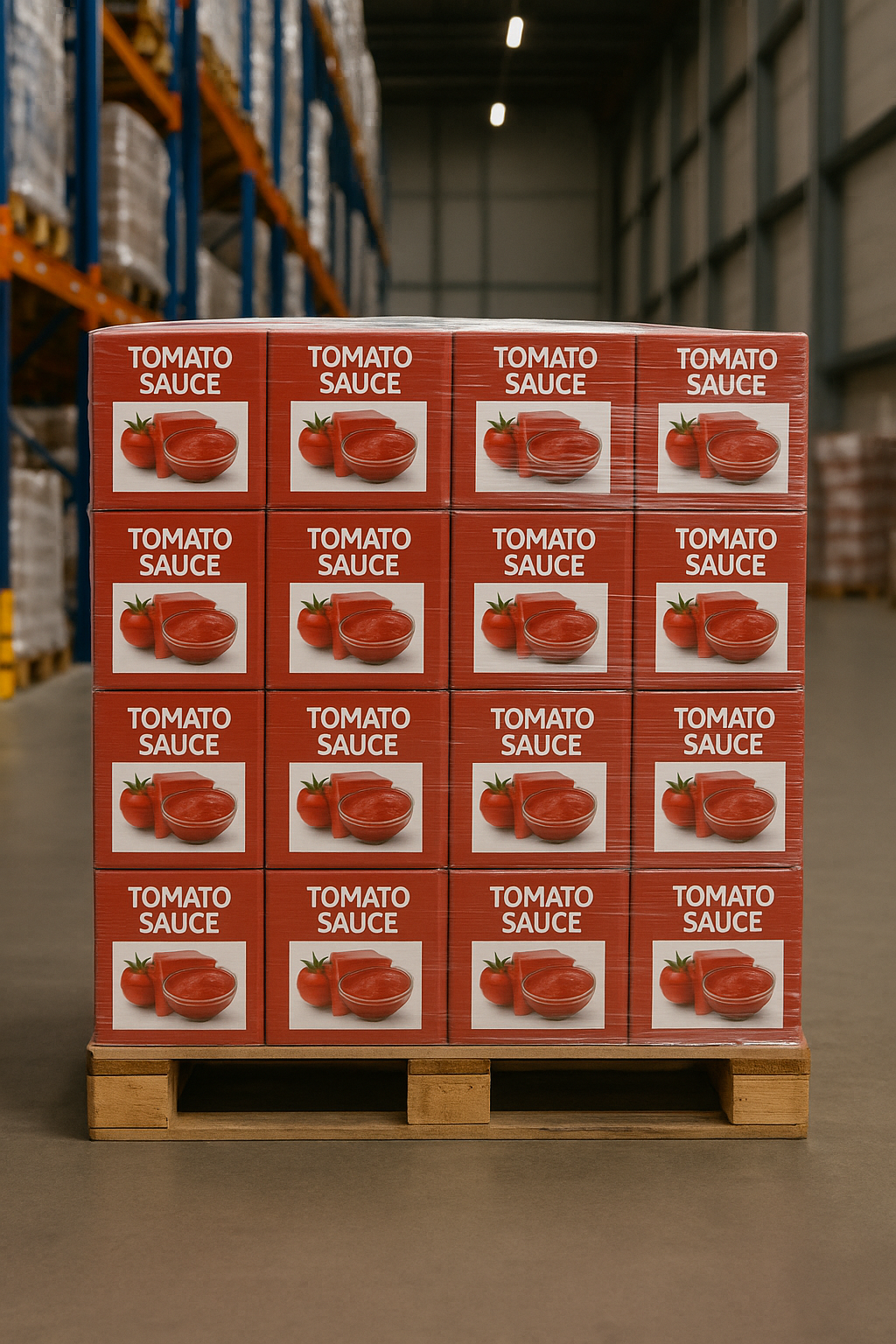
Before products are distributed, they are often stored in a warehouse or distribution center. Storage conditions must meet the requirements of the relevant product group.
For packaged food products, it is important that products are stored in a dry, clean environment and in accordance with food safety guidelines. In addition, an efficient warehouse layout plays an important role in ensuring products can be processed quickly and accurately.
Inventory management and shelf life
Within food logistics, inventory management is closely linked to shelf-life management. Products often need to be processed according to specific methods, such as First Expired First Out (FEFO), where products with the shortest remaining shelf life are delivered first.
By having real-time visibility into inventory, companies can better anticipate fluctuations in demand and reduce the risk of waste. This not only contributes to lower costs but also to a more efficient supply chain.
Distribution to customers
After storage and order processing, food products are transported to their final destination. These may be retailers, distribution centers, wholesalers, or other business customers.
Within the food industry, strict delivery time agreements often apply. Reliable distribution planning is therefore essential to ensure products are available on time for sale or further processing.
What does food logistics mean in practice?
Suppose a producer of packaged food products supplies goods to several supermarket chains. The goods are first stored in a distribution center, where inventory levels and expiration dates are carefully monitored.
When an order is placed, the products are picked, checked, and shipped to the relevant stores or distribution centers. Throughout this process, inventory management, order processing, and transportation must work seamlessly together.
By organizing these processes efficiently, companies can improve delivery reliability while simultaneously reducing waste.
Challenges within food logistics
Food logistics involves specific challenges that are less prominent in other sectors.
One important challenge is managing shelf life. Products that remain in stock for too long may become unsellable. In addition, seasonal influences, promotional campaigns, and changing consumer demand regularly cause major fluctuations in order volumes.
Food safety also requires continuous attention. Organizations must be able to demonstrate where products originate, how they were stored, and when they were delivered. This traceability is important for quality control and potential product recalls.
Furthermore, many retailers and wholesalers operate with fixed delivery windows. As a result, logistics processes must be carefully planned to prevent delays.
Benefits of a well-organized food supply chain
An efficient food logistics operation offers several advantages. Companies benefit from greater control over inventory levels, higher delivery reliability, and improved product availability.
In addition, a well-organized logistics process helps reduce waste and keeps operational costs under better control. Organizations can also respond more quickly to changes in demand, making the supply chain more flexible.
A reliable logistics chain ultimately contributes to both customer satisfaction and business continuity.
How does a logistics partner support this?
As goods flows grow, managing food logistics often becomes more complex. Companies must take inventory management, food safety, delivery reliability, and changing market demand into account.
A logistics partner can provide support by aligning storage, inventory management, and distribution processes. Professional warehousing ensures that products are stored and processed efficiently, while well-organized distribution helps deliver goods to customers on time.
In addition, sector-specific logistics expertise can be valuable for companies operating within the food industry. More information about this can be found on the page dedicated to the food industry sector.