






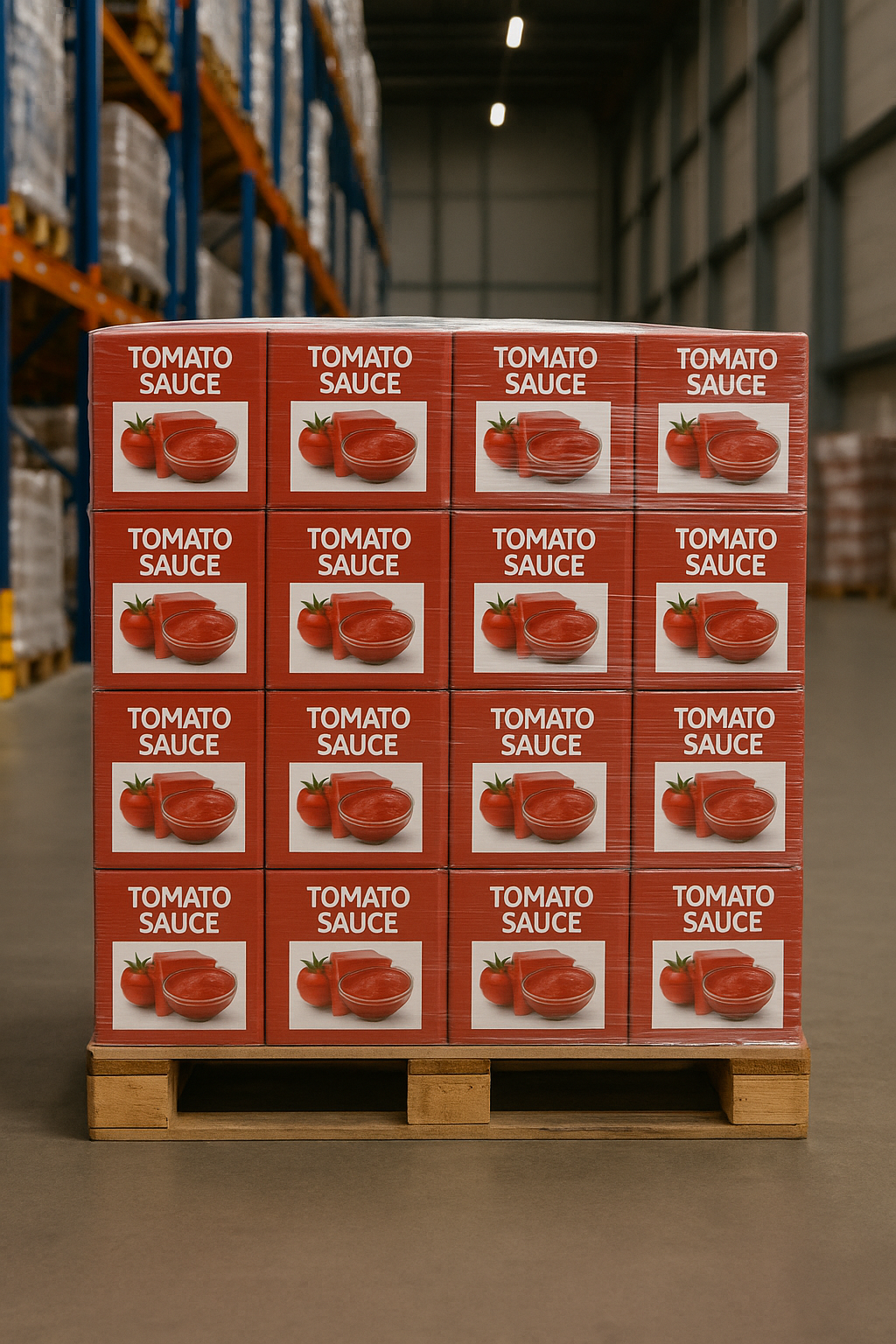





Cold chain transport is the transportation of temperature-sensitive products within a controlled temperature range throughout the entire logistics chain. The goal is to maintain the quality, safety, and shelf life of products from production to delivery to the end user.
In cold chain transport, everything revolves around an uninterrupted cold chain. As soon as the temperature moves outside the permitted limits, this can result in quality loss, product spoilage, or the rejection of goods. For this reason, cold chain logistics plays an important role in sectors such as food, healthcare, and other supply chains where temperature control is essential.
What does cold chain transport mean?
The term “cold chain” refers to a logistics chain in which products are continuously stored, handled, and transported under controlled temperature conditions.
This chain consists of several stages, including:
- Production
- Storage
- Transshipment
- Transportation
- Distribution
- Delivery to the end customer
Within each stage, the temperature must remain within predefined limits. Depending on the product, this can range from frozen conditions to chilled or controlled ambient temperatures.
The success of cold chain transport depends on maintaining the correct temperature throughout the entire logistics process.
Why is a cold chain important?
Many products are sensitive to temperature fluctuations. Even a small deviation can affect quality, safety, or shelf life.
For packaged food products, for example, a rise in temperature can lead to a loss of quality. Within the healthcare sector, certain medical devices or temperature-sensitive products may lose their effectiveness if they are not transported under the correct conditions.
In addition, regulations play an important role. Organizations must be able to demonstrate that products have been handled correctly throughout the entire supply chain.
A reliable cold chain not only protects the product but also the reputation of an organization.
How does cold chain transport work?
Cold chain logistics consists of a combination of specialized processes, vehicles, and technology.
The process generally follows four steps:
1. Controlled storage
Products are stored in facilities where the temperature is continuously monitored and recorded.
2. Temperature-controlled transportation
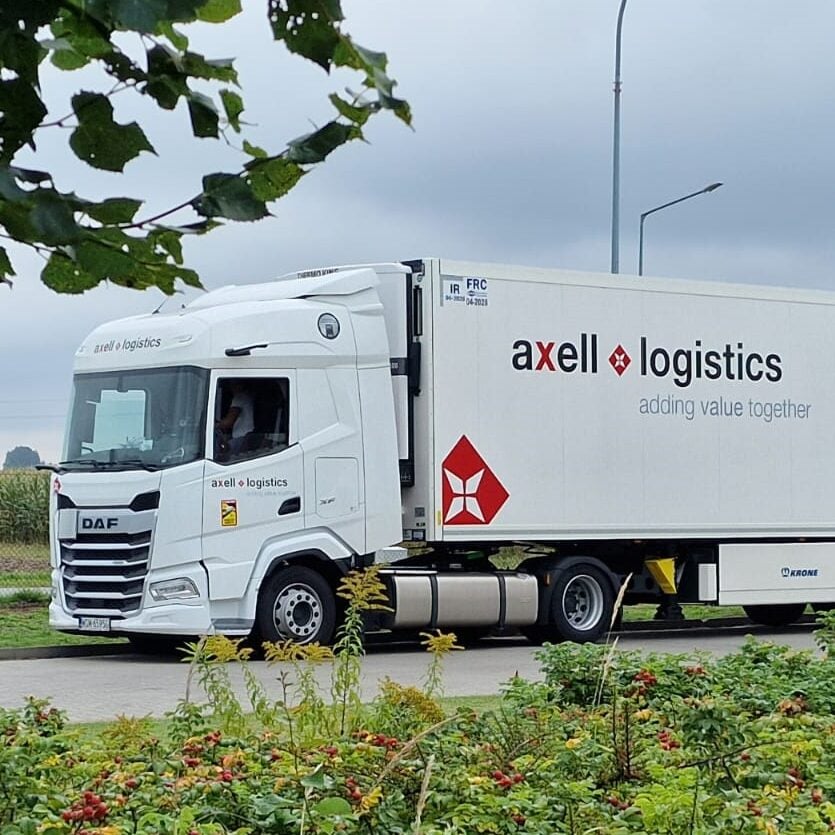
During transportation, refrigerated vehicles ensure that the required temperature is maintained.
3. Monitoring and recording
Sensors and data loggers continuously measure temperature. This allows deviations to be identified quickly.
4. Controlled distribution
Temperature management also remains important during transshipment and delivery to prevent interruptions to the cold chain.
Increasingly, real-time tracking, automated alerts, and digital reporting are being used. This creates greater visibility into supply chain performance and enables risks to be managed more effectively.
According to the European Food Safety Authority (EFSA), proper temperature control plays a crucial role in ensuring food safety and product quality.
Benefits and considerations of cold chain logistics
Benefits
Preservation of product quality
Products remain within the required temperature conditions throughout the entire supply chain.
Reduced product loss
A stable cold chain reduces the risk of spoilage and product rejection.
Greater visibility and control
Temperature monitoring and tracking provide insight into operational performance.
Improved regulatory compliance
Recording and monitoring support compliance requirements and quality controls.
Considerations
High dependence on processes
A disruption in one stage can impact the entire supply chain.
Complex coordination
Storage, transportation, and distribution must be closely aligned.
Investment in technology
Monitoring, tracking, and recording systems are essential for reliable execution.
How can a logistics partner support this?
A logistics partner can help organize temperature-sensitive product flows by aligning processes more effectively and creating greater visibility across the supply chain.
For international product flows, well-organized international transportation plays an important role. In addition, efficient distribution ensures that products reach their destination on time and under the correct conditions.
Within sectors such as food logistics, a stable logistics chain is often essential for maintaining product quality.
It is important to realize that not every logistics service provider offers the same capabilities. Required temperature conditions, certifications, and transportation solutions vary by product category and logistics network.