












Customised logistics solutions for the fashion and lifestyle sector are logistics processes specifically designed around the dynamics of fashion, lifestyle and e-commerce. This includes fast collection changes, return flows, seasonal peaks and omnichannel sales.
In this sector, logistics is no longer just about storage and transport, but mainly about speed, flexibility and real-time visibility. As a result, a standard logistics setup often no longer matches the operational reality of fashion and lifestyle brands.
Why does the fashion sector require customised logistics?
The fashion and lifestyle sector moves quickly. New collections follow each other rapidly, sales volumes fluctuate heavily, and consumers expect fast delivery times and easy return processes.
Especially within e-commerce, this creates a complex supply chain in which inventory, fulfilment and distribution continuously need to align. At the same time, many brands sell through multiple channels simultaneously, such as webshops, marketplaces and physical stores.
Without flexible logistics processes, issues such as stock shortages, delayed deliveries and rising operational costs quickly arise. That is why more organisations are choosing a logistics setup tailored specifically to their assortment, sales channels and growth phase.
What does this mean in practice?
In practice, customised logistics means that processes are aligned with the daily reality of fashion and lifestyle operations.
During sales campaigns or product launches, order volumes can suddenly increase significantly. At the same time, returns need to be processed quickly so products can become available for sale again. Inventory management also requires high accuracy, because the same stock often needs to be available across multiple sales channels simultaneously.
For organisations expanding internationally, this complexity increases even further. Not only storage capacity, but also distribution, returns logistics, and IT systems must remain scalable.
A flexible supply chain helps organisations maintain control over these changes without negatively affecting delivery times or customer experience.
How do customised logistics solutions work?
Customised logistics usually consists of combining multiple logistics solutions into one integrated process.
Omnichannel fulfilment
Within fashion and lifestyle, online and offline sales channels increasingly operate together. Omnichannel fulfilment ensures that orders can be processed from one central inventory for both webshops and physical stores. This creates more flexibility in inventory management and reduces the risk of overstocks or shortages.
Flexible warehousing
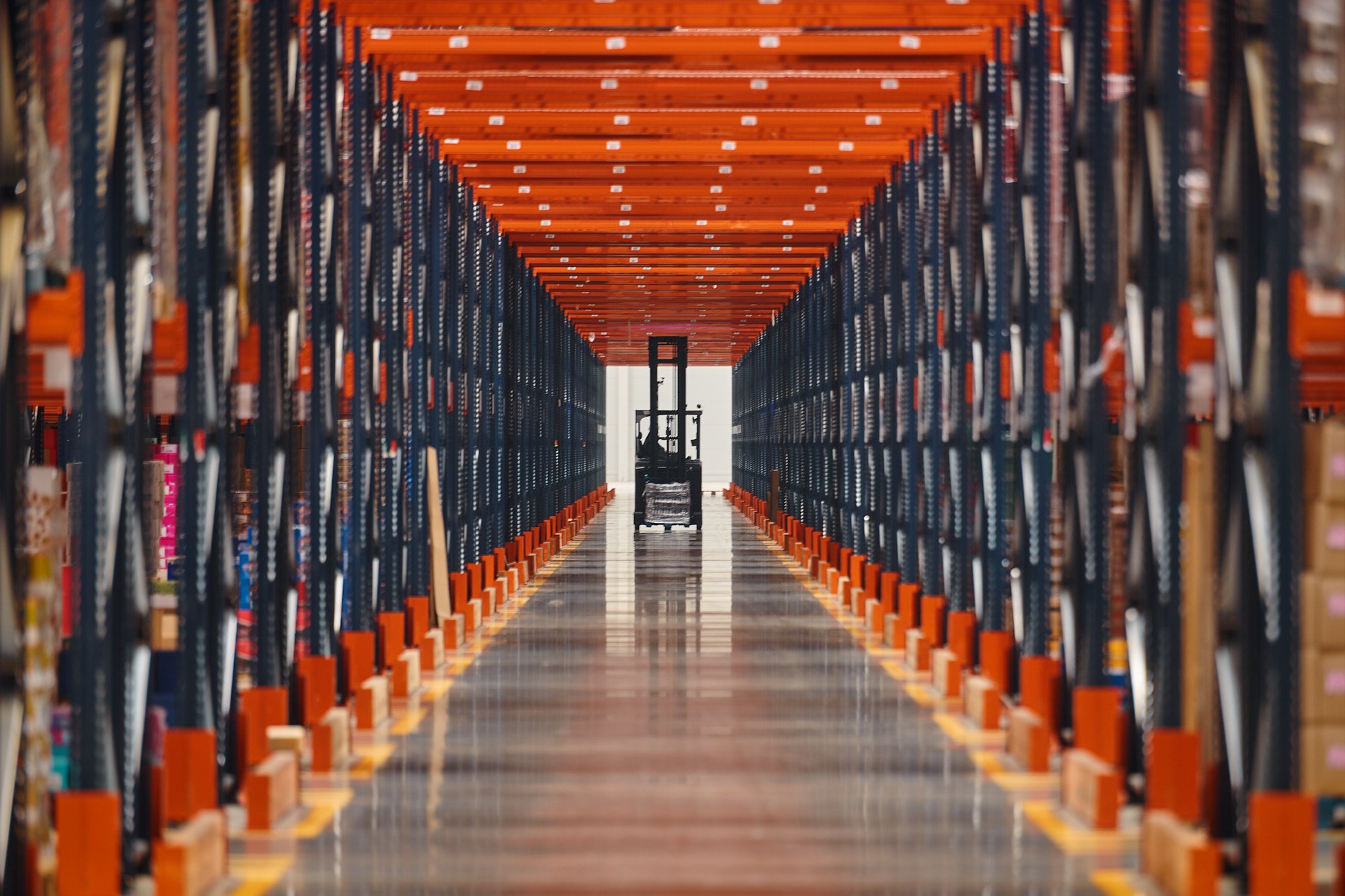
Storage capacity must be able to adapt to seasonal influences, new collections and temporary peaks. Scalable solutions such as contract logistics make it possible to scale capacity flexibly without immediately increasing fixed operational costs. For fashion companies, it is important to respond quickly to changing demand and assortments.
Returns logistics
Returns are a structural part of the fashion sector. Products therefore need to be inspected, processed and made available for sale again as quickly as possible. An efficient returns process not only helps reduce costs but also prevents unnecessary inventory losses.
Distribution and fulfilment
Fast delivery plays an important role in the customer experience. This applies both to deliveries to consumers and to supplying stores or marketplaces.
A well-organised fulfilment structure creates more reliability in order processing and distribution. Within fulfilment services, storage, order picking, packaging and shipping are often integrated into one streamlined process.
IT integrations and real-time visibility
Real-time visibility into inventory and orders is essential within fashion logistics. Integrations between webshops, ERP systems and warehouse management systems ensure that information is updated automatically.
This allows organisations to respond more quickly and maintain greater control over the entire supply chain.
What are the benefits of customised logistics?
A logistics setup specifically aligned with fashion and lifestyle provides organisations with more flexibility and operational control.
Processes can be adjusted more quickly to seasonal peaks or changing consumer demand. At the same time, inventory availability improves, and returns can be processed more efficiently.
Customer experience also benefits from this. Fast delivery, reliable stock information and a smooth returns process play an increasingly important role in the competitive position of fashion brands.
At the same time, customised logistics requires strong alignment between systems, processes and logistics partners. As organisations grow, it becomes increasingly important that fulfilment, warehousing and distribution remain scalable.
How can a logistics partner support fashion and lifestyle companies?
Successfully organising fashion logistics requires more than storage space or transport capacity alone. Flexibility, operational visibility and process control are often the determining factors for a stable supply chain.
A logistics partner can support this by integrating fulfilment, warehousing, returns logistics and distribution into one connected structure. This creates more control over inventory, order processing and delivery performance, even during peak periods.
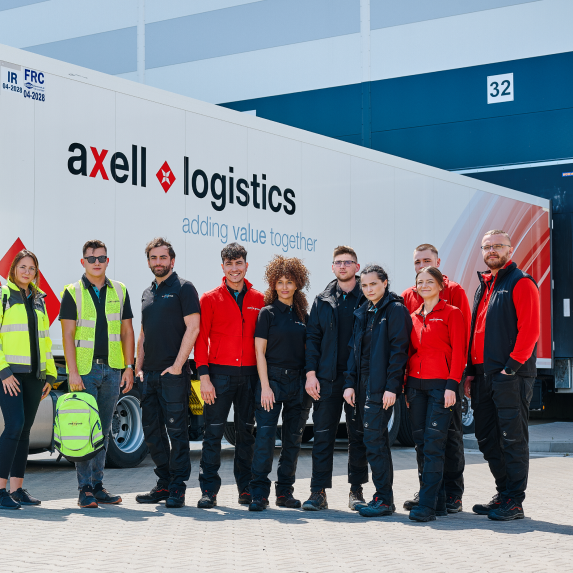
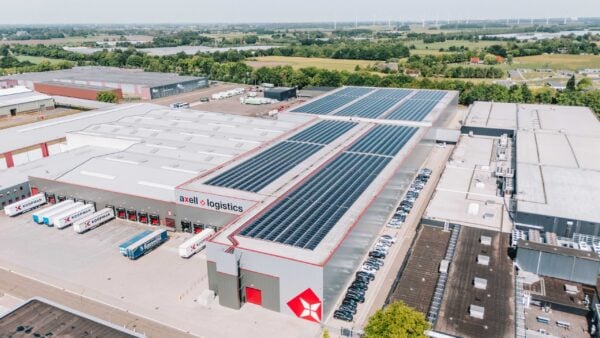
At Axell Logistics, solutions for fashion and lifestyle are regularly combined with warehousing, 3PL solutions and omnichannel fulfilment processes. This helps organisations scale efficiently without losing control over their supply chain.
