














A fulfilment center is a logistics facility where products are stored, orders are processed, and shipments are sent to customers. It forms an important part of the supply chain and helps companies organize their logistics processes efficiently and in a scalable way.
When a customer places an order, the fulfilment center takes care of picking, packing, and shipping the order. Return processing, inventory management, and additional logistics services are often included as well. This allows companies to focus more on their core activities while their logistics operations are handled professionally.
What does a fulfilment center mean?
A fulfilment center goes beyond a traditional warehouse. While a warehouse primarily focuses on storage, a fulfilment center manages the entire process from the moment an order is received until it is delivered to the end customer.
This process is often used by webshops, retailers, and fast-growing companies that process large numbers of orders every day. By using automated systems and standardized processes, orders can be handled quickly and accurately.
A fulfilment center is therefore often seen as an extension of an organization. After all, customers expect fast delivery, up-to-date inventory information, and a smooth returns process.
What does this mean in practice?
As an organization grows, the complexity of its logistics also increases. More products, more orders, and higher customer expectations mean that logistics processes require increasing amounts of time and capacity.
A fulfilment center has been developed to address these challenges. Examples include:
- Highly fluctuating order volumes during promotions or holiday periods
- Large numbers of daily shipments
- The need for real-time inventory management
- Fast returns processing
- Deliveries through multiple sales channels
Particularly within e-commerce and retail, a professional fulfilment process is often essential for serving customers quickly and reliably.
How does a fulfilment center work?
The fulfilment process generally consists of several steps.
1. Receipt of goods
Products are delivered and inspected before being stored. The items are then registered in a Warehouse Management System (WMS).
2. Storage and inventory management
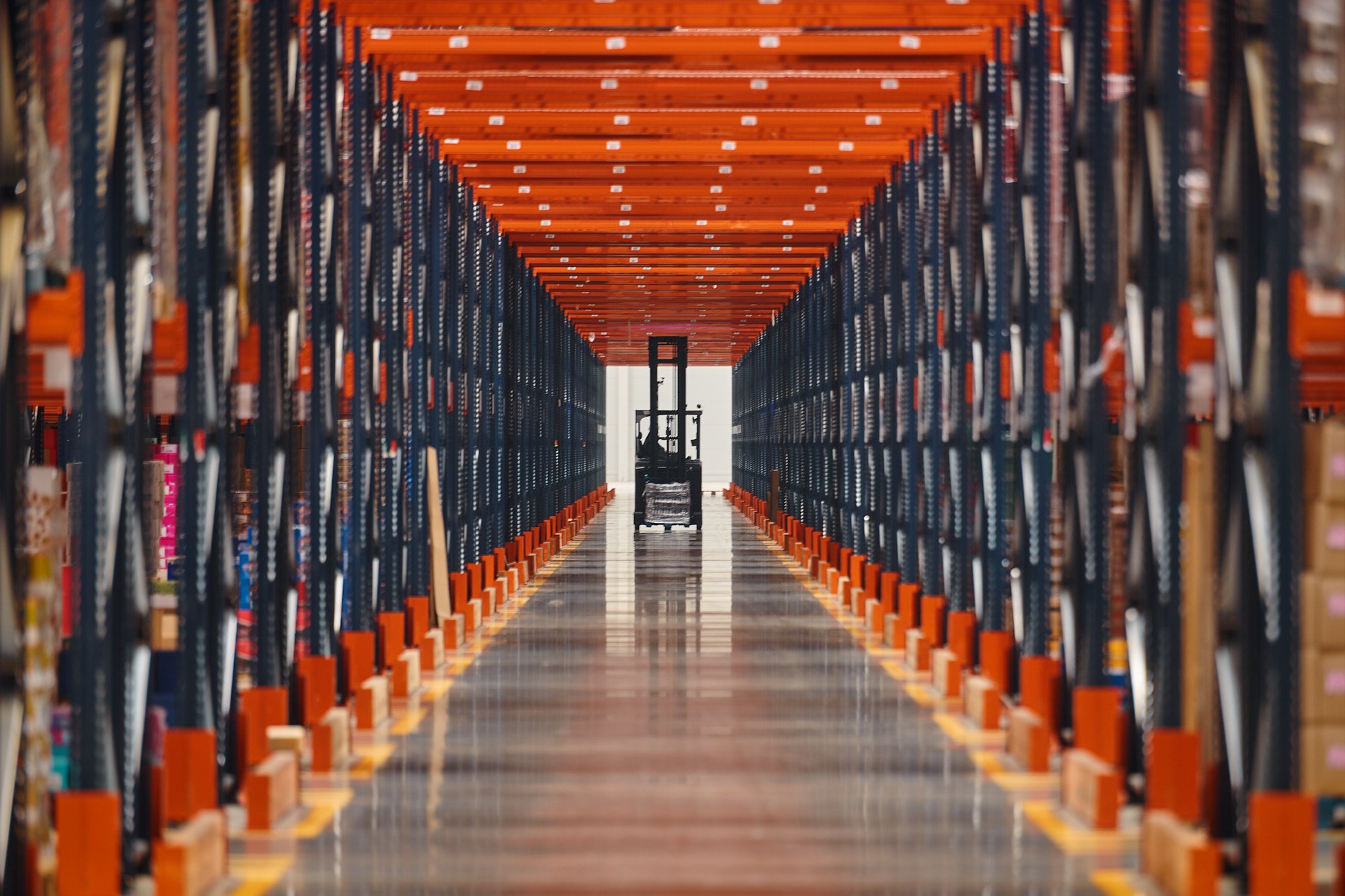
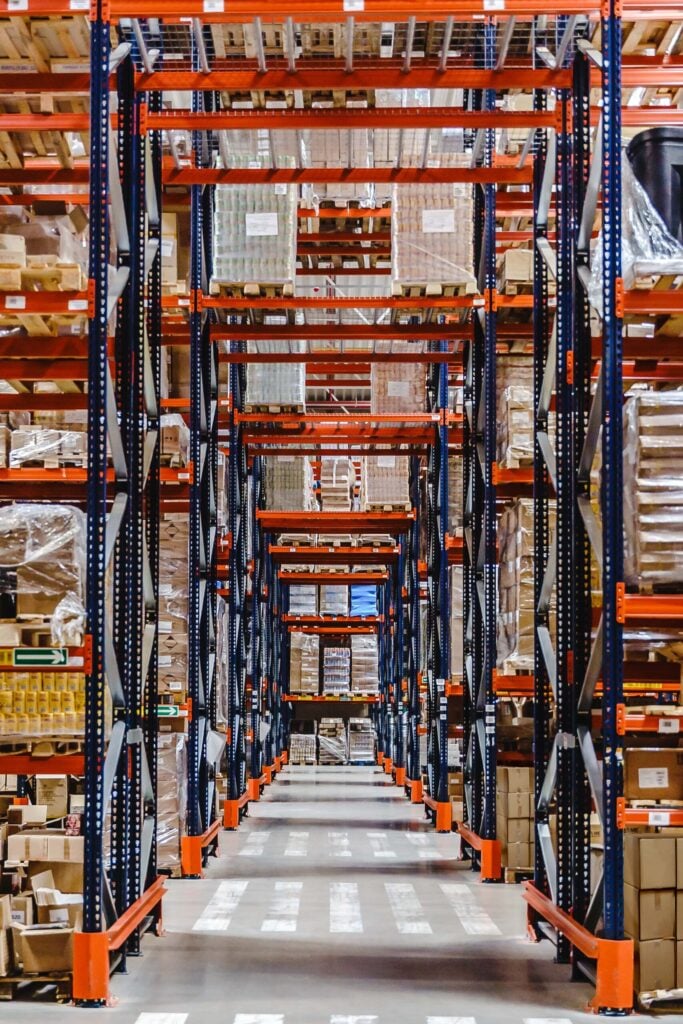
The products are stored in a professional warehouse. Thanks to modern systems, there is continuous visibility into available inventory. This often takes place within a warehousing environment.
3. Order processing
As soon as a customer places an order, the fulfilment center automatically receives the order details. Employees or automated systems then collect the correct products.
4. Packing and shipping
The order is packed and shipped via selected carriers. Track & trace solutions are often used so customers can monitor their shipment.
5. Returns processing
When a customer returns a product, the fulfilment center processes the return shipment and, where possible, makes the inventory available again.
Benefits and points of attention
A fulfilment center offers several advantages for organizations looking to optimize their logistics operations.
Benefits
- Scalability: capacity can easily grow alongside increasing order volumes.
- Efficiency: logistics processes are carried out by specialized teams and systems.
- Real-time visibility: modern software provides up-to-date information on inventory and orders.
- Time savings: employees can focus on sales, marketing, and customer relationships.
Points of attention
- Process alignment: systems and working methods must integrate effectively.
- IT integrations: connections with webshops, ERP systems, and marketplaces are important for a smooth process.
- Partner selection: the quality of the fulfilment process depends heavily on the experience and reliability of the logistics partner.
How does a logistics partner support this?
A logistics partner can support organizations by taking over the entire fulfilment process. This includes not only storage and shipping, but also inventory management, reporting, returns processing, and process optimization.
For companies that continue to grow, a combination of fulfilment services and Third Party Logistics (3PL) can contribute to greater control, better scalability, and a more efficient supply chain.
Would you like to learn more about the possibilities of fulfilment within your organization? Discover how fulfilment solutions can contribute to an efficient and future-proof logistics operation.