














Distribution logistics is the process of transporting goods from a warehouse, distribution center, or production facility to their final destination. This may be a store, wholesaler, business customer, or consumer. Within the supply chain, distribution logistics forms the link between storage and delivery.
A well-organized distribution process ensures that products arrive on time, in the right quantity, and at the right location. As a result, distribution logistics plays an important role in customer satisfaction, cost control, and the continuity of goods flows.
What does distribution logistics mean?
Distribution logistics includes all activities required to move products from point A to point B. It is not limited to transportation alone. Inventory management, order processing, route planning, and shipment tracking are also part of distribution logistics.
Within modern supply chains, distribution is becoming increasingly complex. Companies often deliver to multiple countries, different sales channels, and various customer groups. This makes it important for logistics processes to work seamlessly together.
A simple example is a retailer that stores products in a warehouse and then delivers them to both physical stores and online customers. Distribution logistics ensures that both channels are supplied on time.
According to the European Logistics Association, distribution plays a crucial role in efficient supply chains and customer-focused logistics services.
What does distribution logistics mean in practice?
In practice, distribution logistics is mainly about managing the flow of goods. Companies want to prevent products from arriving late, being delivered incorrectly, or causing unnecessary costs.
Distribution logistics exists because organizations face challenges such as:
- Deliveries to multiple locations.
- Strict customer delivery windows.
- Fluctuating order volumes.
- International distribution.
- Increasing expectations regarding delivery times.
For an e-commerce company, this means that orders must be processed and shipped quickly. For a retailer, it may be important that stores are fully replenished at fixed times.
When distribution processes are not properly organized, this can lead to delays, higher costs, and dissatisfied customers. As a result, more and more organizations invest in efficient logistics processes and real-time visibility into their goods flows.
How does distribution logistics work?
Distribution logistics consists of several steps that together ensure the smooth delivery of products.
Storage of goods
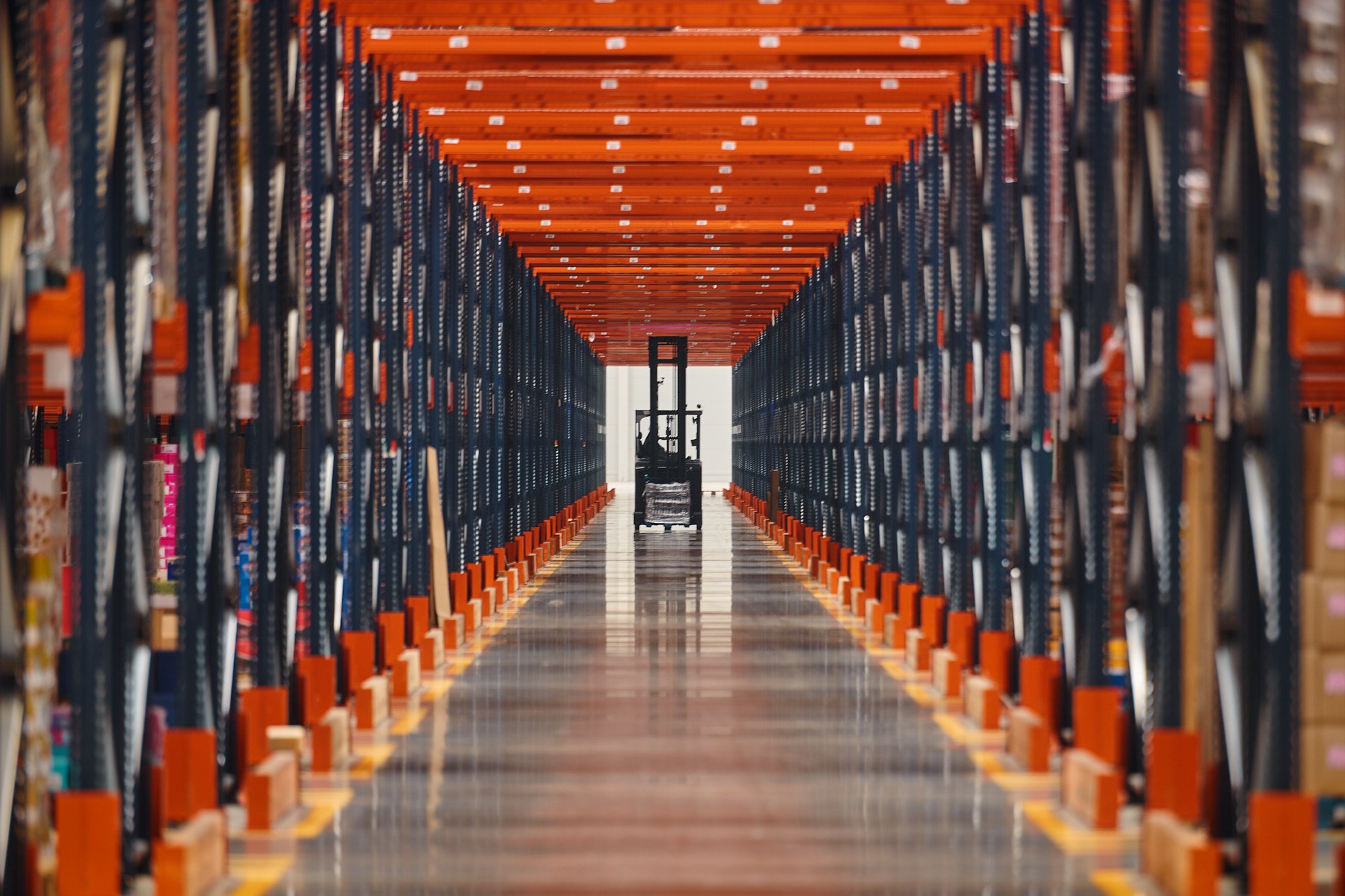
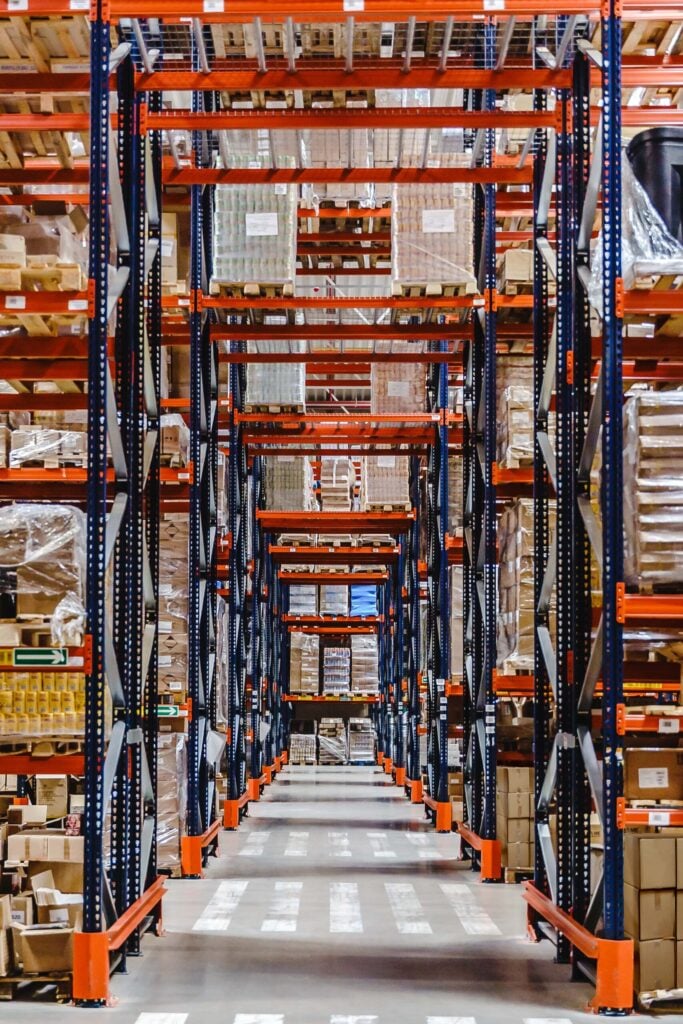
The process usually begins with storing products in a warehouse or distribution center. An efficient warehousing setup ensures that products are quickly available when an order is received.
Modern warehouses use Warehouse Management Systems (WMS) to manage inventory levels in real time and minimize errors.
Order processing
When an order is placed, the products are picked, checked, and prepared for shipment. This process is known as order picking and packing.
Speed is important, but so is accuracy. An incorrect delivery often results in additional costs, returns, and dissatisfied customers.
Transportation and delivery
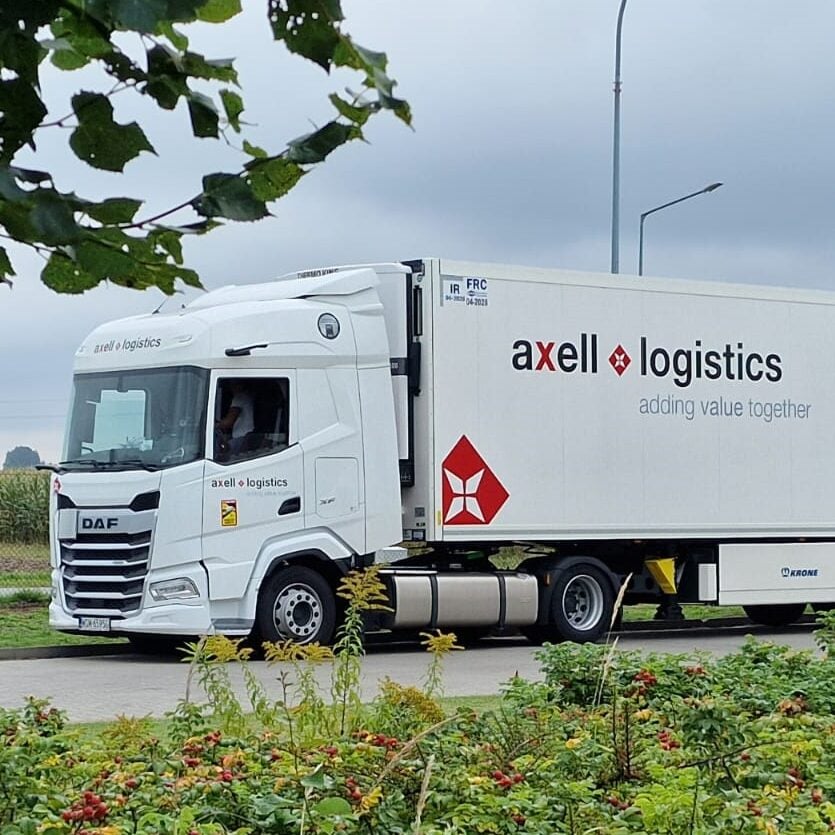
After processing, the goods are transported to their final destination. This may involve national distribution, international transportation, or deliveries to consumers.
Transport Management Systems (TMS) help organizations with route planning, capacity management, and shipment tracking. This provides greater control over the entire distribution process.
Depending on the situation, different distribution models can be applied, such as:
- Direct distribution from supplier to customer.
- Distribution through a central warehouse.
- Regional distribution centers for faster deliveries.
- Omnichannel distribution for stores and webshops.
Benefits and considerations of distribution logistics
A well-organized distribution process offers several advantages.
Benefits
Improved delivery reliability
Customers receive products at the agreed time, resulting in higher customer satisfaction.
Greater visibility into goods flows
Modern systems provide real-time visibility into inventory, orders, and transportation.
Lower logistics costs
Efficient planning helps reduce transportation movements and operational costs.
Better scalability
Companies can more easily respond to seasonal peaks, business growth, or expansion into new markets.
Considerations
Process alignment
Storage, transportation, and order processing must work together effectively to prevent delays.
IT integrations
For optimal visibility, strong integration between ERP, WMS, and TMS systems is important.
Dependence on partners
When logistics processes are outsourced, a reliable logistics partner is essential for continuity and quality.
How does a logistics partner support this?
As organizations grow, the complexity of distribution often increases. Managing warehouses, transportation, inventory levels, and delivery performance requires specialized knowledge, systems, and capacity.
A logistics partner can provide support by combining storage, order processing, and transportation within one integrated solution. This creates greater visibility, better control, and a more efficient distribution process.
Companies that want to further professionalize their distribution therefore often choose specialized distribution solutions or a broader form of contract logistics. This allows them to focus on their core activities while logistics processes are professionally organized and managed.