











If you produce, import, store or distribute organic products, you will almost certainly come into contact with SKAL. SKAL Biocontrole is the independent supervisory authority in the Netherlands that monitors whether companies comply with European regulations for organic products. Within the supply chain, SKAL plays an important role because the organic integrity of products must be maintained throughout the entire logistics chain.
What does SKAL do?
SKAL Biocontrole supervises companies that produce, process, package, store, import or trade organic products. Organisations that comply with the legal requirements receive a SKAL certification. This enables them to demonstrate that their processes comply with the European regulations for organic production.
During inspections, SKAL assesses, among other things, the origin of products, administrative records, traceability and the way organic and non-organic goods are kept separate. Accurate record-keeping and complete traceability form the foundation of every SKAL certification.
When is SKAL certification mandatory?
SKAL certification is mandatory for companies that professionally produce, process, package, import, store or sell organic products. Logistics service providers may also be required to obtain certification when they store organic products or carry out other logistics activities that fall under European regulations.
Not every carrier or warehouse is automatically required to be certified. The obligation depends on the nature of the activities and the level of responsibility an organisation has within the logistics chain. It is therefore advisable to determine in advance which activities fall under the SKAL regulations.
What does SKAL mean for logistics and warehousing?
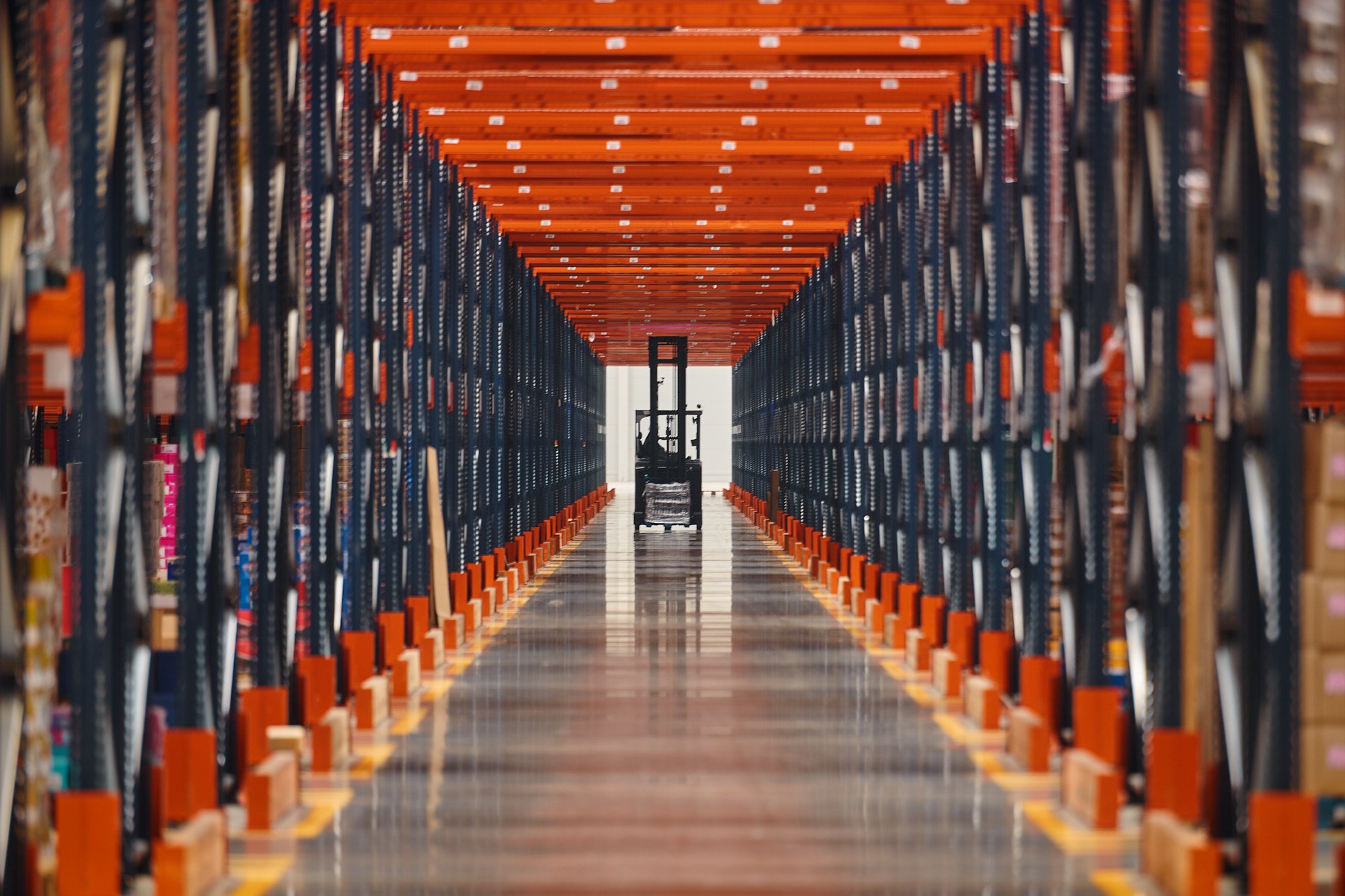
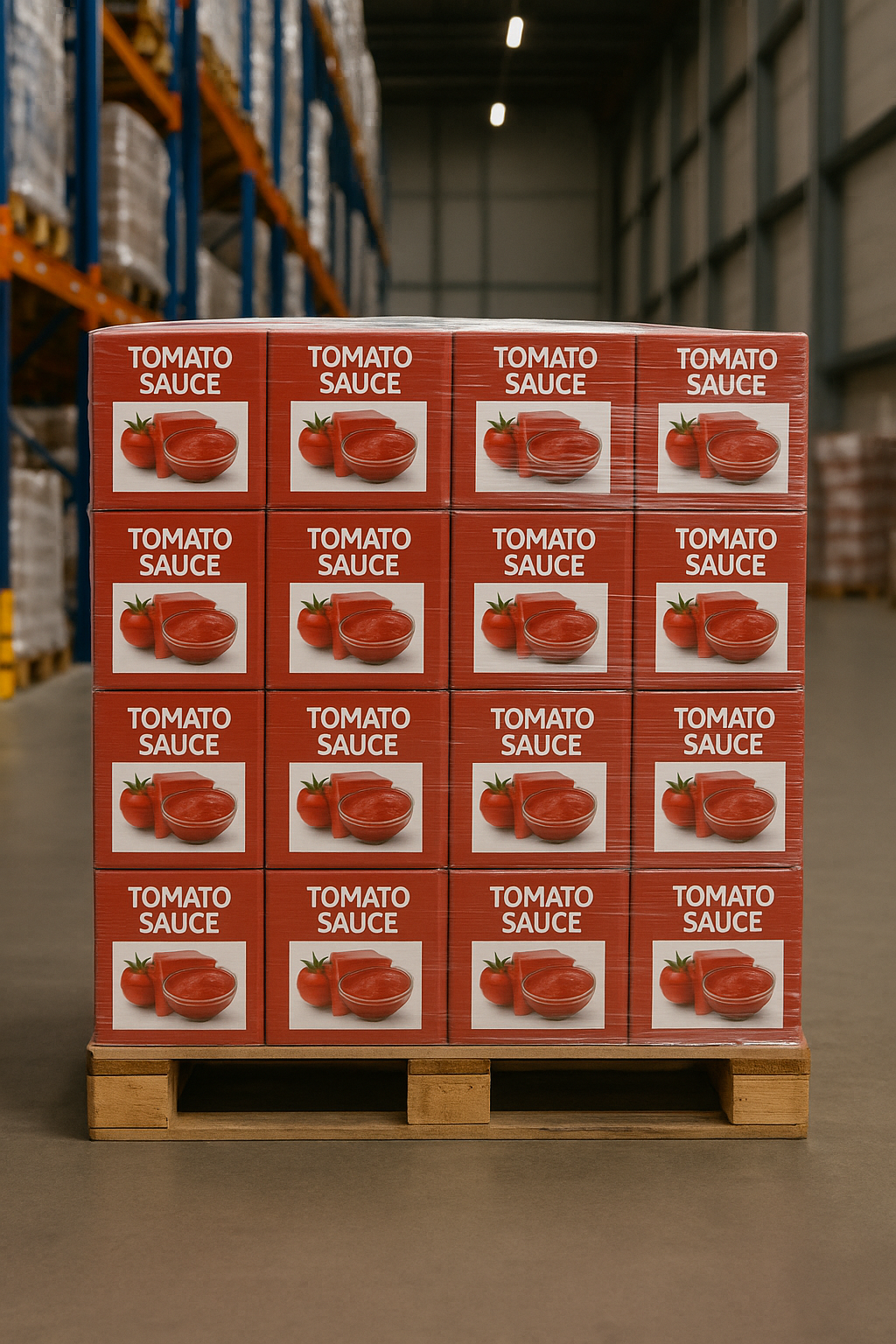
Within logistics processes, SKAL focuses on safeguarding the organic integrity of products. This means that organic goods must remain identifiable, separated and fully traceable throughout storage and distribution. A properly organised warehouse prevents products from being mixed and makes it possible to record every movement of goods.
In practice, this means that companies must establish clear procedures for inventory management, product identification and the documentation of incoming and outgoing goods. Modern Warehouse Management Systems support these processes and provide the visibility required to comply with regulations. Professional warehousing can contribute to an efficient and controlled logistics operation.
Benefits and considerations
When logistics processes are properly organised, it becomes easier to comply with SKAL requirements. Companies benefit from greater control over their supply chain, more reliable administration and complete product traceability. In addition, the risk of errors during storage and distribution is reduced, increasing the confidence of customers and supply chain partners.
On the other hand, SKAL requires continuous attention to process management. Work instructions must remain up to date, employees must follow established procedures and records must be maintained completely and accurately. Compliance is therefore not a one-time effort but an ongoing part of daily business operations.
How does a logistics partner support this?
For organisations that process or distribute organic products, a well-organised logistics process is essential. A logistics partner can support this with structured warehouse processes, reliable inventory registration and complete traceability throughout the supply chain. This makes it easier to keep processes under control and to be prepared for inspections.
As logistics operations grow or become more complex, contract logistics can help organise storage and distribution more efficiently. For companies operating in the food sector, the page on food logistics also provides more information about the specific challenges and requirements within this industry.