















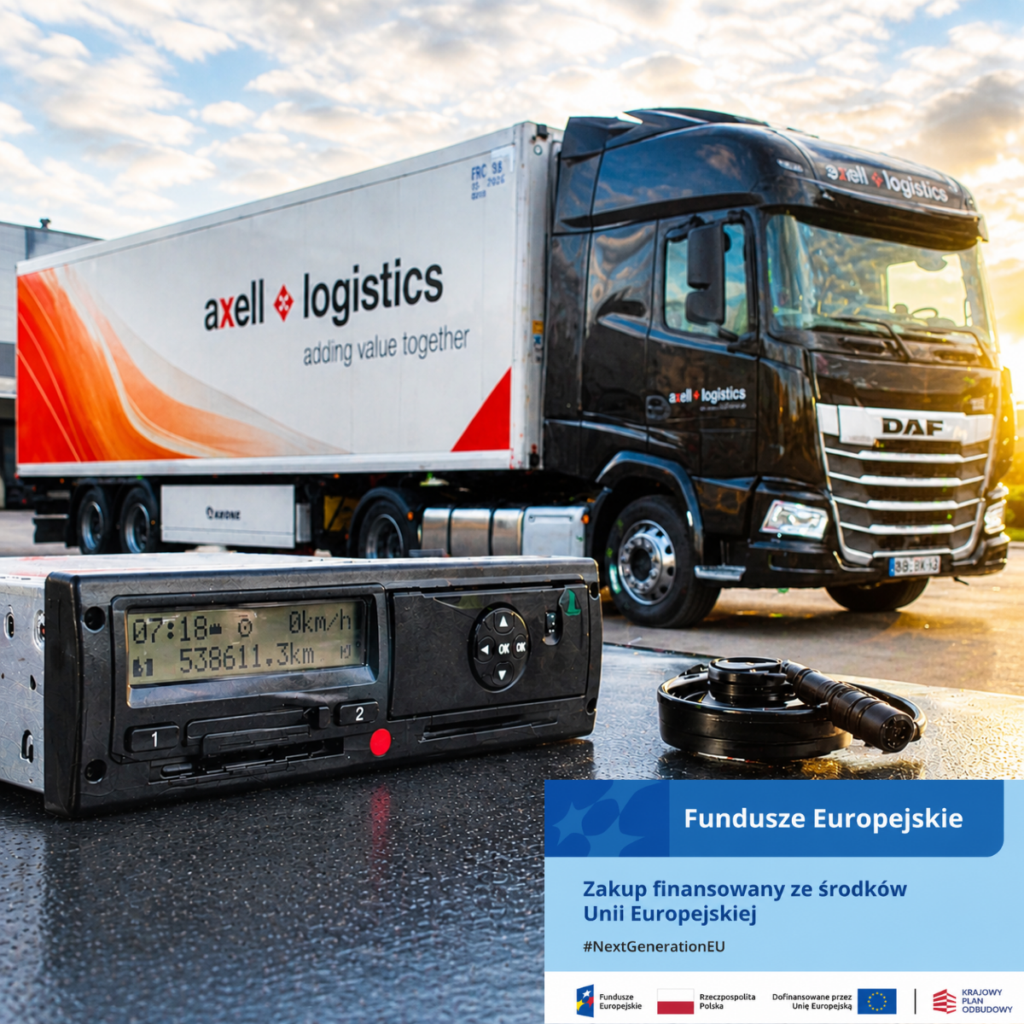
EU tachograph requirement: what does it mean for your transport and logistics?
The EU tachograph requirement has a direct impact on organisations operating international transport. New regulations around smart tachographs introduce stricter control, greater transparency and higher demands on your processes. For your organisation, this is not just a technical adjustment, but a fundamental shift in how you organise your transport and logistics.
What is changing in tachograph regulations?
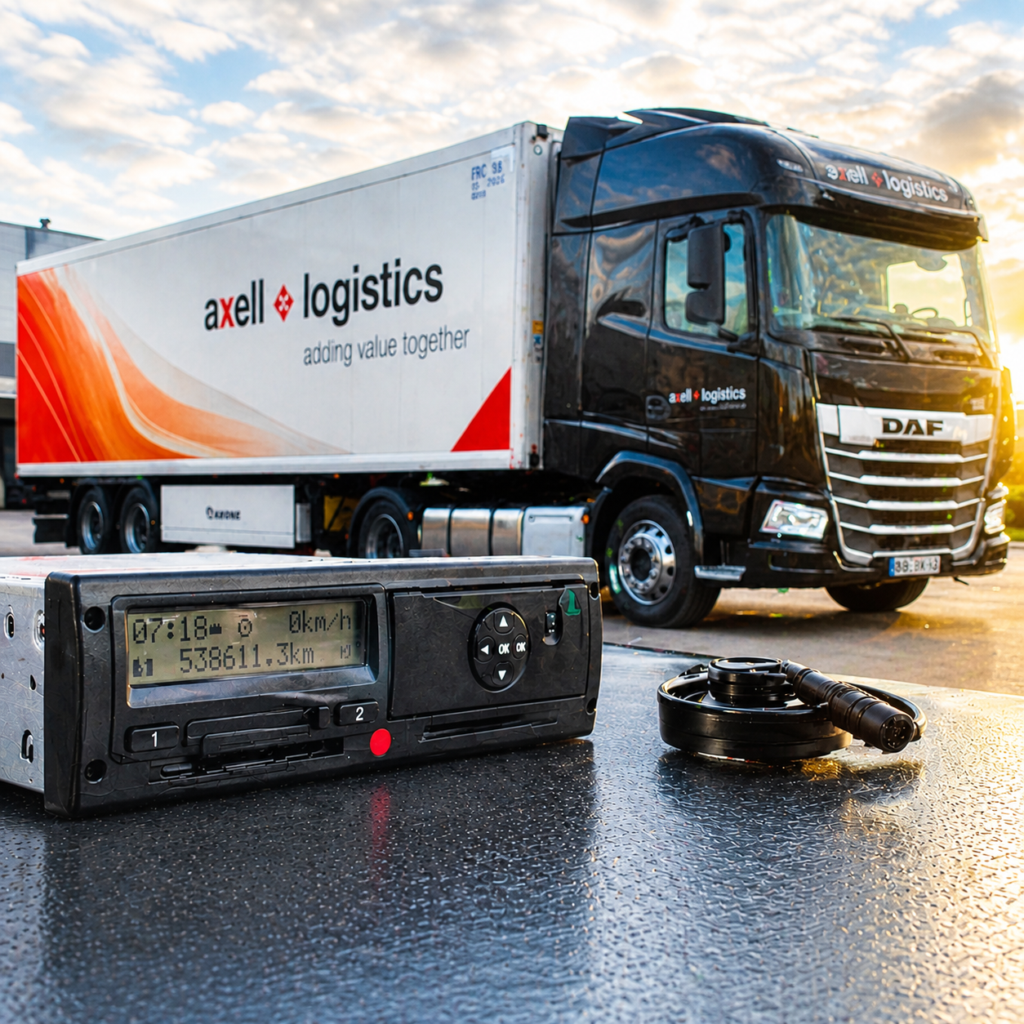
Tachographs have long been the foundation for recording driving and rest times. With the introduction of second-generation smart tachographs, the focus shifts towards automation and real-time control. Border crossings are automatically recorded, and control authorities gain faster access to data. This reduces the relevance of manual interpretation and emphasises the importance of structural compliance within your organisation.
For transport companies, this means that processes that were previously flexible must now become increasingly standardised and controllable. This requires a different way of working, where reliability and insight are central.
The impact on your daily operations
The obligation to replace tachographs affects multiple parts of your organisation. In practice, this means that vehicles must be adapted within set deadlines, while your transport planning continues as usual.
In addition, implementation involves costs and requires coordination between planning, fleet management and compliance. If this transition is not properly managed, it can lead to delays, inefficiencies and operational disruptions.
For organisations active in international transport, this is not an isolated change but a development that directly impacts operational continuity.
Impact on your supply chain and logistics processes
Transport is a crucial part of your supply chain. Changes in regulation therefore always affect other parts of your logistics.
Stricter control of driving times and registration means that planning must be more precise. This affects delivery reliability, lead times and coordination with distribution centres. Within distribution, it becomes increasingly important to align transport and warehouse processes seamlessly.
Where flexibility once provided a solution, predictability is now the key to stability.
From obligation to greater control
Although the tachograph requirement is often seen as an administrative burden, it also offers strategic advantages. The availability of accurate data makes it possible to better monitor performance, detect deviations earlier and manage processes more effectively. Organisations that leverage this data strengthen their control over transport and reduce operational risks.
This shifts the role of tachographs from a control instrument to a source of operational insight.
Connection with broader logistics processes
The impact of this regulation does not stop at transport. When transport processes change, it directly affects inventory management, delivery agreements and customer expectations.
Within contract logistics, this becomes visible in the need to better align processes. Stability in transport forms the foundation for reliable logistics services as a whole.
The role of KPO funding
To support companies in this transition, funding is available through the National Recovery Plan (KPO).
This support helps spread investments and enables controlled implementation.
For organisations that act in time, this creates the opportunity not only to comply with regulations but also to strategically improve their processes.

Conclusion: more than just a requirement
The EU tachograph requirement demands action, but at its core it relates to something broader: how you maintain control over your transport and logistics.
By approaching this development strategically, you achieve not only compliance but also greater insight, better control and a more stable supply chain.
Would you like to gain concrete insight into what these changes mean for your situation? Discover how international transport within Axell Logistics contributes to continuity, control and predictability in your supply chain.
Stay up to date with the latest news from Axell Group!
Discover the newest updates, innovations, and insights from Axell Logistics and Axell Financial Services. Read our articles to learn more about how we are shaping the future of logistics and financial services.