
















Supply chain management focuses on managing and optimising all processes within the logistics chain. This includes procurement, inventory management, warehousing, fulfilment, transport and distribution. The goal is to move goods from supplier to end customer as efficiently as possible, while maintaining maximum control over costs, delivery times and inventory.
For many companies, supply chain management has become essential. Especially within retail and ecommerce, speed, real-time insight and delivery reliability are decisive factors for both customer satisfaction and business continuity.
What does supply chain management mean?
A supply chain consists of all parties, processes and systems involved in producing, storing and delivering products. Supply chain management ensures that all these components work together effectively.
It therefore goes beyond transport or warehousing alone. It focuses on the complete coordination of the logistics chain.
Within supply chain management, the following processes are managed, among others:
- procurement and supplier management
- inventory management
- warehousing and fulfilment
- order processing
- distribution and transport
- return flows
- real-time data and reporting
Companies use this to maintain control over costs, product availability and delivery performance.
Why is supply chain management important?
A poorly organised supply chain often leads directly to operational issues. Think of delayed deliveries, stock shortages or high storage costs.
Especially within ecommerce and retail, small disruptions can have major consequences. When products are not available on time, this immediately leads to lost revenue or dissatisfied customers.
In addition, supply chains are becoming increasingly complex. Many companies operate internationally, supply through multiple sales channels and deal with highly fluctuating order volumes.
Good supply chain management processes therefore provide:
- More control over inventory and logistics: Companies gain better insight into goods flows, inventory levels and transport performance.
- Better delivery reliability: A well-coordinated supply chain helps deliver orders faster and more consistently.
- Lower operational costs: By aligning processes more effectively, companies reduce errors, delays and inefficient inventory management.
- Greater scalability: During peak periods, logistics processes can be scaled up more easily.
How does supply chain management work in practice?
In practice, supply chain management consists of multiple logistics components that continuously work together.
Procurement and inventory management
The process often starts with suppliers and inventory planning. Companies need sufficient stock availability without storing unnecessary quantities of products.
Forecasts, sales data and real-time insight all play an important role here. Especially within international supply chains, proper coordination is crucial to prevent delays or shortages.
Warehousing and fulfilment
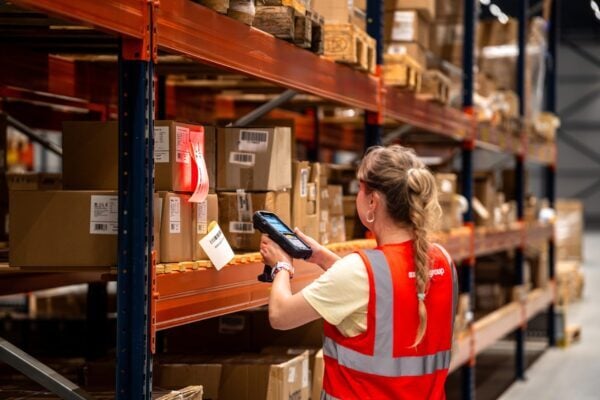
After receipt, products are stored and processed within a warehouse. Modern warehousing processes use Warehouse Management Systems (WMS) to provide real-time insight into inventory, locations and order statuses.
Within ecommerce and retail, speed is essential. Orders must be picked, packed and shipped efficiently. At the same time, return flows must also be processed correctly.
This is why many organisations choose specialised fulfilment or contract logistics solutions to organise these processes in a scalable way.
Transport and distribution
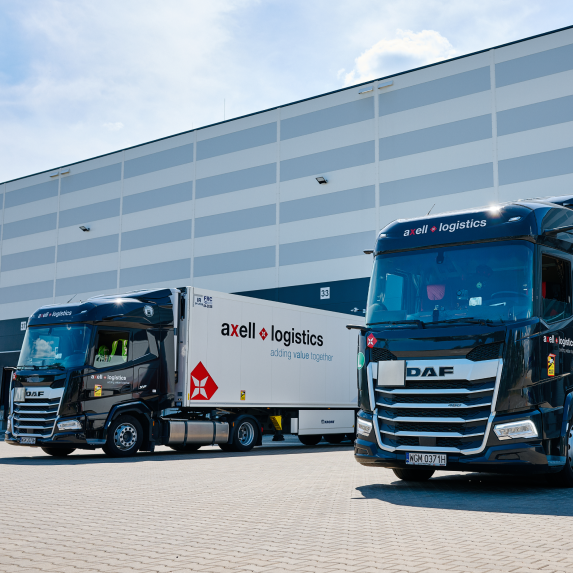
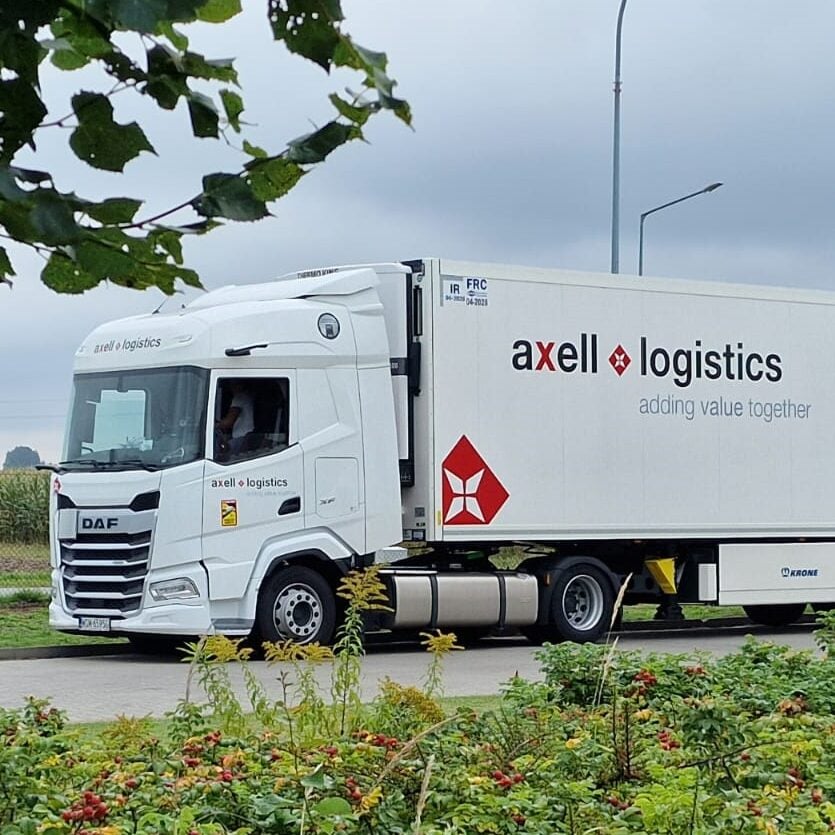
After order processing, products are distributed to stores, distribution centres or end customers.
Within supply chain management, transport is not only about speed, but also about reliability and visibility. Real-time tracking and effective route planning help keep deliveries predictable.
For companies operating internationally, coordination becomes even more important. Deliveries must align with multiple warehouses, sales channels and delivery windows.
The difference between logistics and supply chain management
The terms logistics and supply chain management are often used interchangeably, but they do not mean the same thing.
Logistics usually focuses on individual components such as storage or transport. Supply chain management, on the other hand, focuses on the full collaboration between all links within the chain.
For example, a company may have excellent transport operations but still experience problems due to poor inventory planning or limited coordination between the warehouse and webshop.
Supply chain management brings these processes together to create greater overview, continuity and efficiency.
What are the benefits of good supply chain management?
When processes are properly aligned, organisations benefit in several ways.
More real-time insight
Companies gain better visibility into inventory, order statuses and transport movements. This enables faster decision-making.
Better customer satisfaction
Faster deliveries and fewer errors create a more reliable customer experience.
Scalability during peak periods
During busy periods such as promotions or holidays, the supply chain can handle additional volumes more effectively.
More efficient collaboration
By integrating systems, warehouses and transport processes more effectively, fewer disruptions occur within the chain.
What challenges do companies often face?
Many organisations experience challenges when different logistics processes are not properly aligned.
Common issues include:
- limited inventory visibility
- manual processes
- delays in distribution
- poor system integrations
- inefficient return flows
- insufficient capacity during peak periods
Especially companies with multiple sales channels or international distribution notice that supply chain management is becoming increasingly complex.
How does a logistics partner support supply chain management?
A logistics partner can support companies by combining and centrally managing multiple processes within the supply chain.
This includes warehousing, fulfilment, distribution and real-time tracking within one integrated environment. As a result, companies gain more overview and continuity within their logistics operations.
For organisations looking to grow or internationalise, a third party logistics (3PL) -partner can help keep processes scalable and manageable.
Within sectors such as retail logistics and ecommerce, this is becoming increasingly important due to the combination of physical stores, webshops and fast delivery expectations.
Would you like more insight into how logistics processes can work together more effectively? Discover how Axell supports organisations with warehousing, fulfilment and supply chain solutions.