









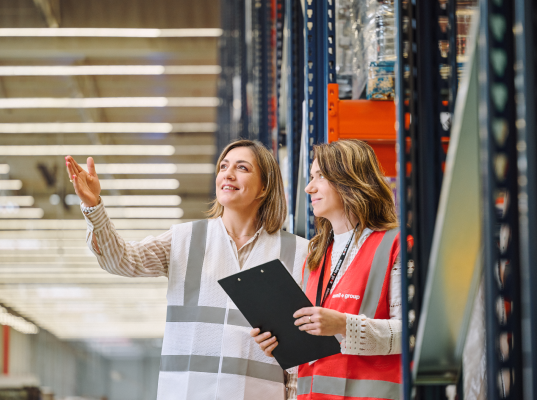




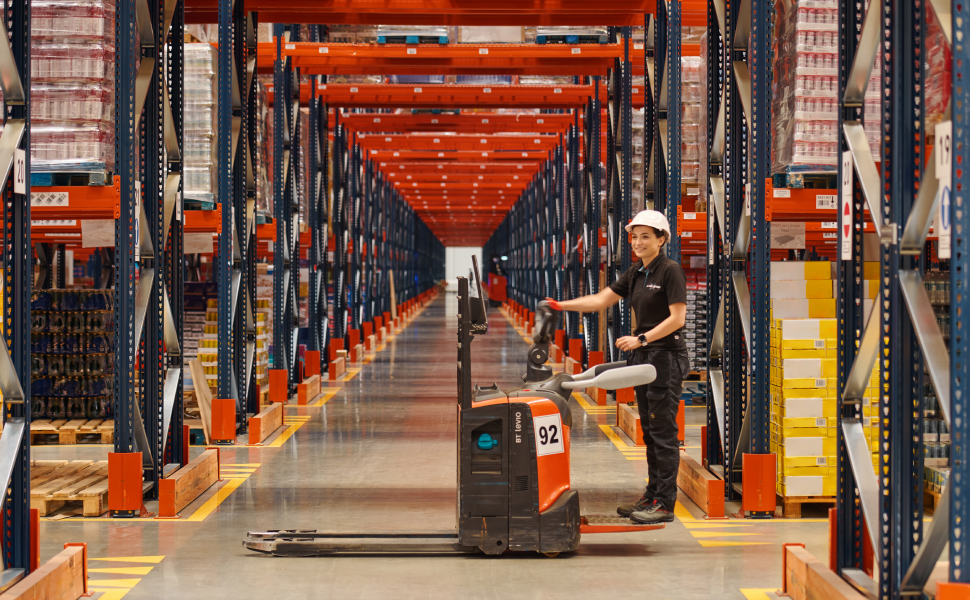
A logistics employee is responsible for supporting and carrying out logistics processes within a warehouse, distribution centre, or supply chain. The activities mainly revolve around receiving, storing, processing, and shipping goods.
Within modern logistics, logistics employees play an important role in efficiently organising goods flows. Especially within warehousing, ecommerce, and distribution, well-organised logistics processes are essential for delivery reliability and customer satisfaction.
What does a logistics employee do?
A logistics employee ensures that goods are processed correctly throughout the logistics process. This often starts with receiving products and ends with shipping or distribution.
Within logistics processes, a logistics employee works on tasks such as:
- goods receipt
- order picking
- inventory management
- packaging
- shipping
- control of goods flows
Depending on the type of organisation, the activities may differ. Within ecommerce, the focus is often on fast order processing, while within production and distribution more attention is given to inventory management and transport planning.
For companies with professional warehousing solutions, logistics employees form an important link within daily operations.
Which activities belong to a logistics employee?
The daily activities of a logistics employee differ per sector and type of warehouse. However, many tasks revolve around efficiently processing goods and orders.
Common activities include:
- checking incoming goods
- storing products in the warehouse
- collecting and processing orders
- registering inventory
- preparing goods for shipment
- processing return flows
Within modern logistics processes, scanners, Warehouse Management Systems (WMS), and real-time inventory management are increasingly being used.
As a result, the role of logistics employees is also changing. In addition to physical work, insight into systems and digital processes is becoming increasingly important.
Where does a logistics employee work?
Logistics employees work within various logistics environments, such as:
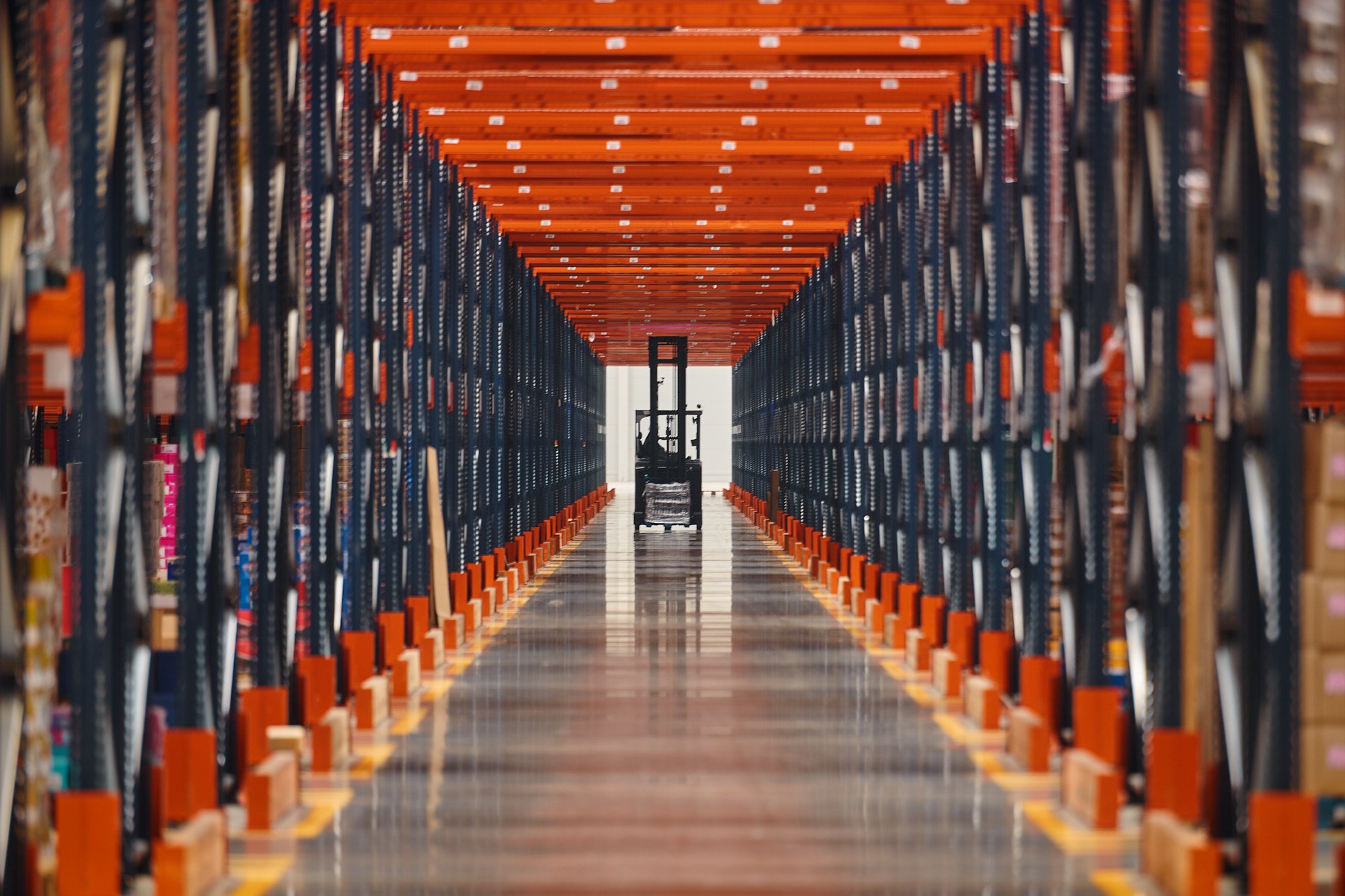
- warehouses
- distribution centres
- ecommerce fulfilment centres
- production companies
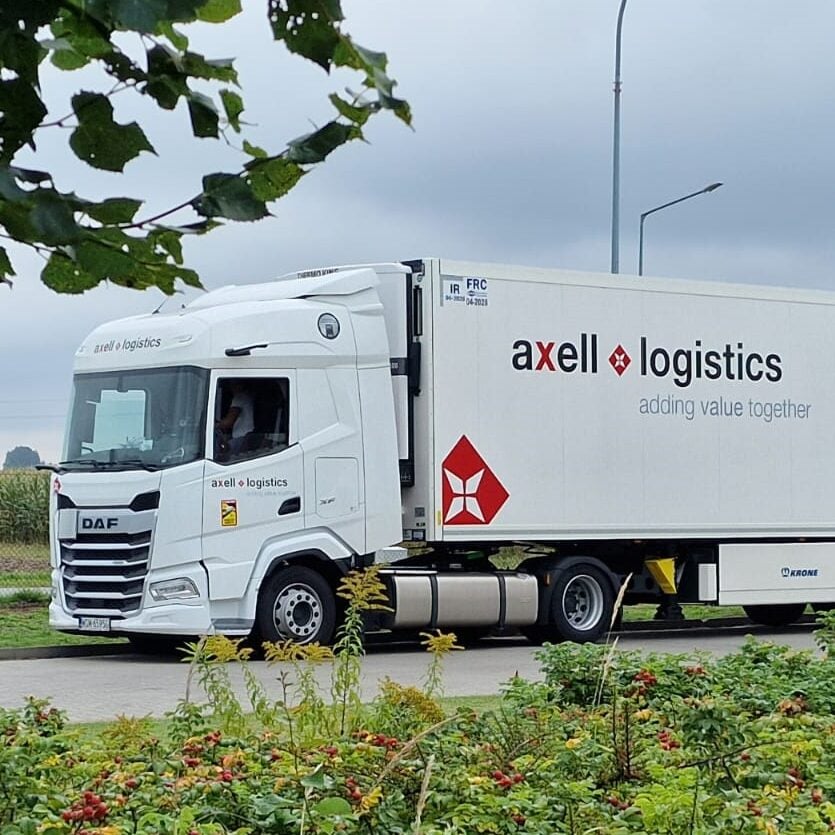
- transport companies
Within large distribution processes, logistics employees often work together with planners, drivers, and supply chain specialists to organise goods flows efficiently.
Especially within ecommerce and international logistics, speed has become increasingly important. As a result, logistics employees play a major role in processing orders and monitoring delivery reliability.
Which skills are important within logistics?
Within logistics, accuracy and structure are important. Errors in inventory management, order processing, or shipping can directly affect customers and supply chains.
Important skills for logistics employees include:
- working accurately
- teamwork
- maintaining overview
- switching flexibly
- working with logistics systems
- physical capability
In addition, communication is becoming increasingly important within logistics processes. Different departments and systems must work together properly in order to organise goods flows efficiently.
Within modern ecommerce logistics, real-time insight is also playing an increasingly important role.
Why are logistics employees important within supply chains?
Logistics employees form an important operational link within the supply chain. They ensure that products are processed, stored, and shipped on time.
When logistics processes are not organised properly, the following issues occur more quickly:
- delays
- inventory errors
- damages
- delivery problems
- inefficient goods flows
For companies with international distribution or large order volumes, well-organised logistics processes are therefore essential.
Efficient cooperation between warehouse, transport, and distribution creates more control over the entire supply chain.
How does technology support logistics processes?
Technology is playing an increasingly important role within logistics operations. Many warehouses now work with real-time systems that automatically register and monitor goods flows.
Examples include:
- Warehouse Management Systems (WMS)
- scanners
- track & trace
- automatic inventory updates
- dashboards and real-time reporting
This allows logistics employees to work faster and more efficiently. It also creates more insight into inventory, orders, and deliveries.
For companies, this helps make logistics processes more scalable and easier to manage.
How does a logistics partner support this?
A logistics partner supports companies in organising and optimising logistics processes.
This includes:
- warehousing
- order processing
- distribution
- inventory management
- real-time supply chain insight
By organising logistics processes centrally, more control is created over goods flows, delivery reliability, and operational efficiency.
For companies within ecommerce, retail, and international distribution, logistics employees therefore remain an indispensable link within daily logistics operations.