














Logistics optimisation is the continuous improvement of logistics processes to move goods through the supply chain faster, more efficiently and more cost-effectively. This involves looking at all parts of the logistics chain, such as inventory management, storage, order processing, transport and distribution. The goal is to reduce waste, improve performance and serve customers better.
In a market where delivery times are becoming shorter and customer expectations are increasing, logistics optimisation plays an increasingly important role. Organisations that optimise their logistics processes gain more control over their operations and are better able to respond to changes in supply and demand.
What does logistics optimisation mean?
Logistics optimisation focuses on improving efficiency within the supply chain. This not only means reducing costs, but also increasing the quality, speed and reliability of logistics processes.
In practice, companies continuously examine how goods can be processed faster, how inventory can be managed more effectively and how transport costs can be reduced. At the same time, they look for ways to improve delivery reliability and gain greater insight into logistics performance.
By continuously analysing and improving processes, a logistics operation is created that better aligns with both customer needs and the organisation’s objectives.
Why is logistics optimisation important?
Many organisations face rising costs, fluctuating demand and increasing customer expectations. Inefficient logistics processes can lead to delays, inventory issues and higher operational costs.
Logistics optimisation helps companies gain more control over their goods flows and be better prepared for growth.
A successful optimisation strategy often results in lower logistics costs, higher delivery reliability and more efficient use of personnel, space and transport resources. In addition, greater insight into performance enables organisations to respond more quickly to changes in the market.
For companies that depend on complex goods flows, logistics optimisation can provide a significant competitive advantage.
Which processes can be optimised?
Logistics optimisation is not limited to a single part of the chain. Multiple processes can be improved to increase the overall performance of the supply chain.
Inventory management
Effective inventory management prevents both shortages and excess stock. By using forecasting, demand analysis and real-time data, organisations can align inventory levels more accurately with actual demand.
This reduces capital costs and increases product availability.
Warehousing
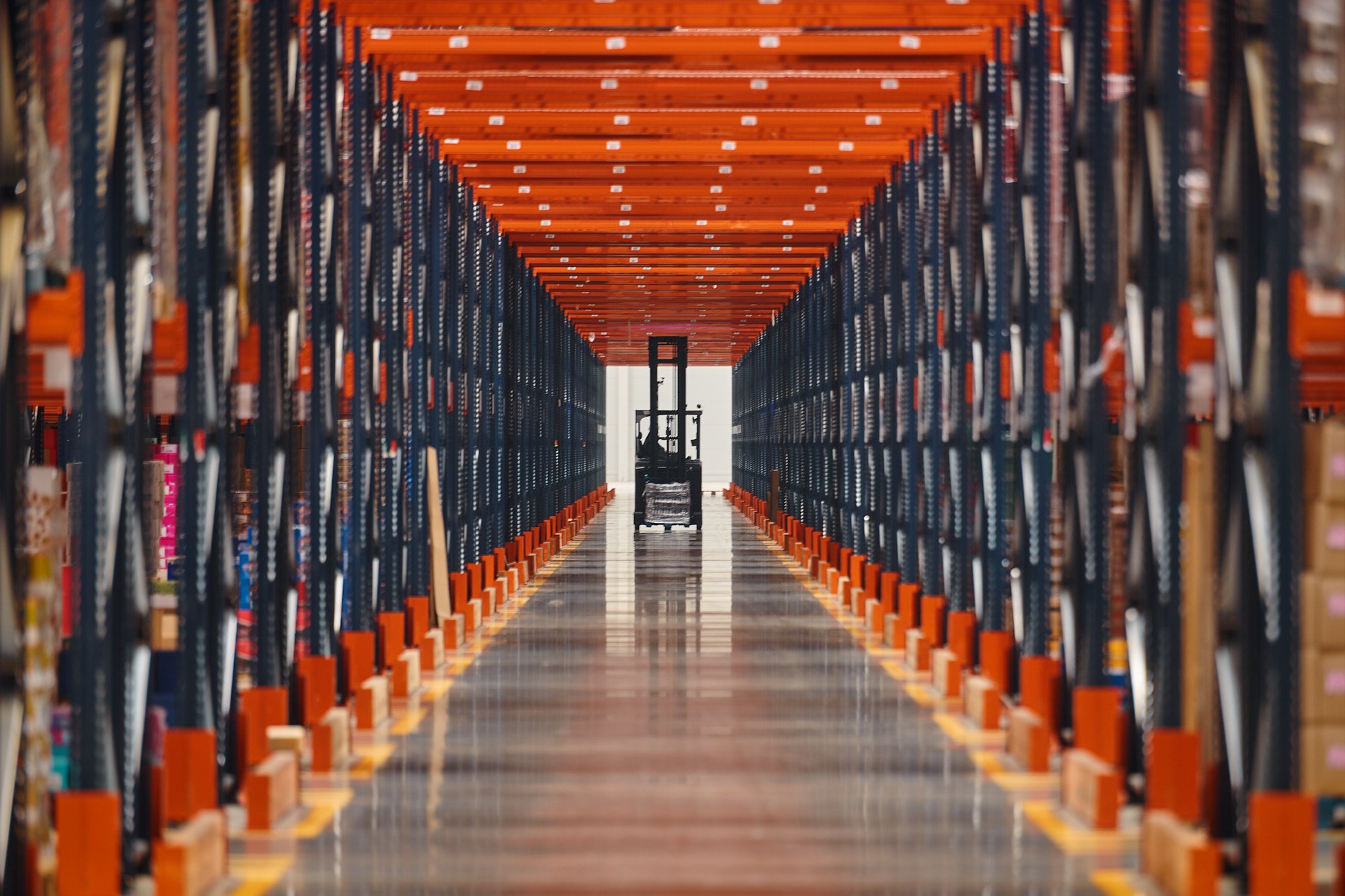
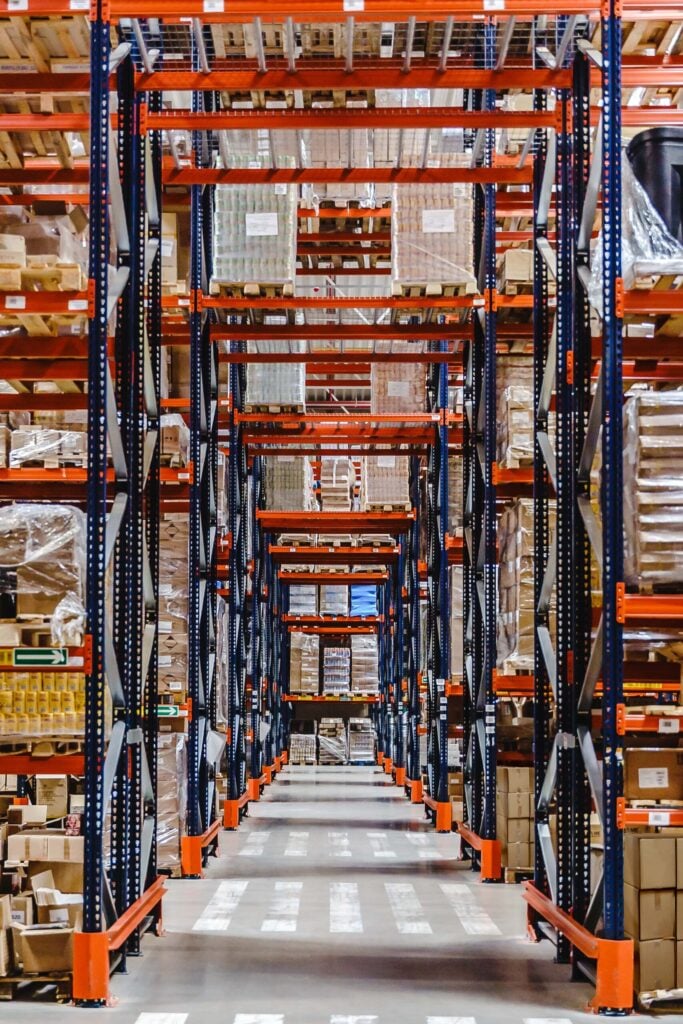
Within warehousing, optimisation can lead to more efficient storage locations, shorter walking distances, faster order picking and better utilisation of warehouse space.
Automation and smart warehouse layouts also contribute to higher productivity and lower operational costs.
Transport and distribution
Transport planning, route optimisation and efficient vehicle utilisation play an important role in logistics optimisation. By organising transport flows more intelligently, companies can reduce costs while simultaneously improving delivery reliability.
Order processing
Fast and error-free order processing has a direct impact on customer satisfaction. By integrating systems more effectively and automating processes, orders can be processed faster and more accurately.
How does logistics optimisation work?
Logistics optimisation usually starts with an analysis of existing processes. During this stage, performance is measured, bottlenecks are identified and opportunities for improvement are mapped out.
Targeted improvements are then implemented. This may include automating manual processes, optimising warehouse layouts, improving inventory management or planning transport more efficiently.
Technology plays an important role in this. Modern systems such as Warehouse Management Systems (WMS) and Transport Management Systems (TMS) provide real-time visibility into inventory, orders and transport performance. This enables organisations to make faster decisions and correct deviations in a timely manner.
Furthermore, logistics optimisation is not a one-time project, but a continuous process of measuring, analysing and improving.
Benefits and considerations of logistics optimisation
A well-executed optimisation strategy offers many benefits, but it also requires a structured approach.
Benefits
Greater operational efficiency
Processes run faster, more consistently and with less waste.
Lower costs
By making better use of resources and eliminating inefficiencies, operational costs are reduced.
Improved customer satisfaction
Faster and more reliable deliveries contribute to a positive customer experience.
Greater scalability
An optimised logistics operation can more easily grow alongside changing market conditions or business expansion.
Considerations
Change requires time and commitment
Optimisation often requires process adjustments and cooperation between different departments.
Data quality is crucial
Decisions are only effective when they are based on current and reliable information.
Supply chain-wide alignment remains necessary
An improvement within one process should not create inefficiencies elsewhere in the supply chain.
How does a logistics partner support logistics optimisation?
For many organisations, it is challenging to independently analyse, manage and improve all logistics processes. A logistics partner often has the specialised knowledge, technology and operational capacity required to successfully implement optimisation initiatives.
Within contract logistics, storage, inventory management, order processing and distribution are managed in an integrated manner. This provides greater insight into performance and enables processes to be aligned more effectively.
By using real-time data, logistics expertise and scalable capacity, companies can improve their operational performance without having to make major investments in infrastructure or systems themselves.