
















Choosing the right logistics partner has a direct impact on the performance of your supply chain. A logistics service provider is more than just an operational party for storage or transport. The right partner helps improve processes, increase delivery reliability and support growth ambitions.
For many organisations, logistics is a crucial part of their business operations. The wrong choice can lead to delays, higher costs and dissatisfied customers. That is why it is important to look beyond rates alone and also consider factors such as expertise, scalability and technological support.
Why is choosing a logistics partner important?
Logistics processes are often closely intertwined with an organisation’s day-to-day operations. When storage, inventory management, order processing or transport do not function optimally, this directly affects customers and business results.
A good logistics partner provides greater control over goods flows, supports efficient processes and helps mitigate risks. In addition, an experienced partner can contribute to cost control, flexibility and higher customer satisfaction.
As supply chains become increasingly complex, the importance of logistics partnerships that go beyond operational execution continues to grow.
Which criteria are important when choosing a logistics partner?
The right logistics partner not only fits your current situation but also supports future growth and changing market conditions.
Experience and expertise
A logistics partner should have experience within your industry and understand the specific logistics challenges your organisation faces.
Therefore, do not only ask about general experience, but also about expertise in your product category, distribution model and supply chain requirements. A partner that is familiar with your market can often optimise processes faster and manage risks more effectively.
Scalability
Businesses grow, markets change and customer demand fluctuates. That is why it is important that a logistics partner has sufficient capacity to grow alongside your organisation.
A scalable organisation can handle peak periods, support new markets and make additional storage or transport capacity available when required.
Technology and real-time visibility
Modern logistics increasingly revolves around data and transparency. Real-time visibility into inventory, orders and transport performance helps organisations make faster decisions and manage performance more effectively.
Therefore, ask which systems are used and how information is shared. Advanced Warehouse Management Systems (WMS) and dashboards can contribute to higher efficiency and better collaboration.
Quality and reliability
Reliability forms the foundation of every logistics partnership. Therefore, evaluate certifications, quality processes, delivery reliability and the way performance is monitored.
A logistics partner should not only fulfil agreements but also communicate proactively when deviations occur.
Geographic coverage
The right partner has a network that aligns with your distribution requirements. For some organisations, the focus is on the Benelux region, while others operate throughout Europe or beyond.
If your organisation has international ambitions, it is wise to assess whether the logistics partner can also support future expansion.
Which questions can you ask during a selection process?
A logistics partnership often has a long-term nature. That is why it is important to look beyond quotations or price comparisons during the selection process.
Some relevant questions include:
- How is delivery reliability measured and reported?
- Which systems are used for inventory and order management?
- How are peak periods and growth managed?
- What experience does the organisation have within my industry?
- Which KPIs are actively monitored?
- How are deviations and disruptions communicated?
By asking these questions, you gain a better understanding of how a logistics partner operates.
Common pitfalls when choosing a logistics partner
Many organisations focus primarily on costs during a selection process. Although price is obviously important, in practice the cheapest solution is not always the most efficient solution.
A common pitfall is failing to properly assess scalability, technology and process quality. In some cases, insufficient attention is also given to the cultural fit between both organisations.
A successful logistics partnership requires mutual trust, transparency and a shared focus on continuous improvement.
How does a logistics partner support your growth?
A strong logistics partner not only supports day-to-day operations but also helps facilitate future developments. By optimising processes, providing capacity and offering real-time visibility, a logistics environment is created that evolves alongside the organisation.
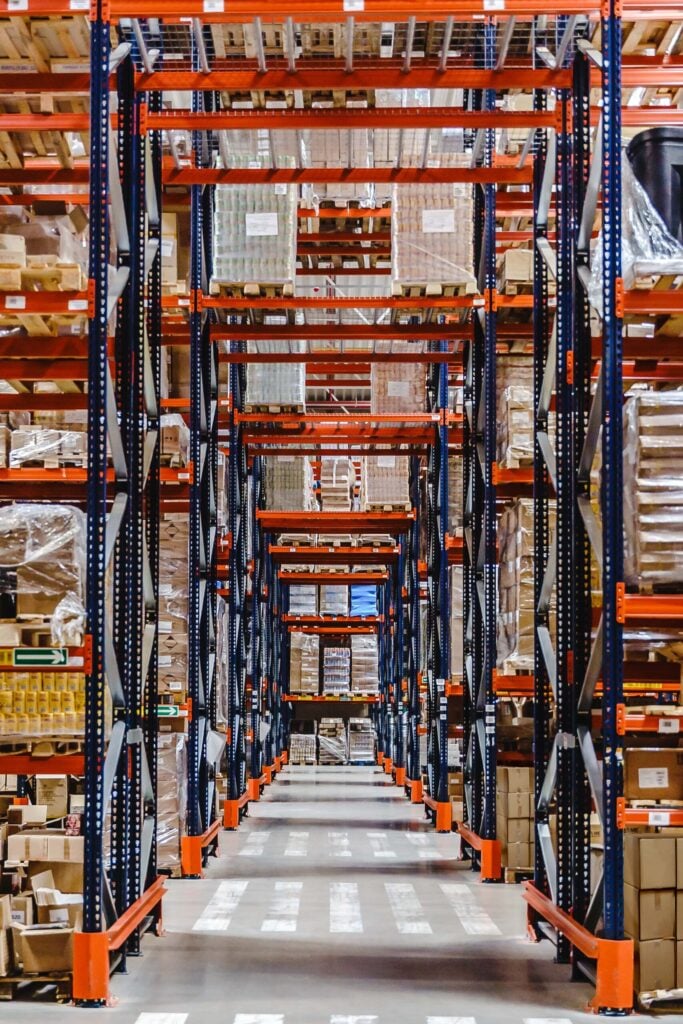
Within warehousing, storage, inventory management and order processing can be organised more efficiently. This creates greater control over goods flows and enables organisations to respond more quickly to market changes.
In addition, an integrated approach makes it possible to align logistics processes more effectively, resulting in better cost control and improved performance.
For many companies, contract logistics forms the foundation of a long-term partnership in which storage, distribution and supply chain management are centrally managed.