














3PL, or Third Party Logistics, is a logistics model in which a company outsources logistics activities to a specialized logistics service provider. This can include storage, order processing, transportation, distribution, and inventory management. By working with a 3PL partner, organizations can organize their logistics processes more efficiently without having to invest in warehouses, personnel, or transportation capacity themselves.
For many companies, 3PL is an important step toward a scalable and professional supply chain. Organizations that are growing or dealing with fluctuating volumes are increasingly choosing logistics outsourcing.
What does 3PL mean?
The abbreviation 3PL stands for Third Party Logistics. The term refers to an external party that becomes responsible for one or more logistics processes within the supply chain.
Where a company is traditionally responsible for storage, inventory management, and transportation itself, a 3PL provider takes over these activities in whole or in part. This creates more room to focus on core activities such as sales, product development, or customer relationships.
A 3PL partner can be responsible for:
- Storage of goods.
- Order picking and order processing.
- Transportation and distribution.
- Inventory management.
- Reverse logistics.
- Fulfillment activities.
The exact range of services differs per organization and is tailored to the customer’s logistics requirements.
What does 3PL mean in practice?
Many companies reach a point where logistics processes require increasingly more time, capacity, and expertise. Order volumes increase, inventories grow, and customers expect fast and reliable deliveries.
Instead of renting additional warehouse space or building their own distribution network, many organizations choose to work with a 3PL provider.
For example, imagine an e-commerce company that is growing rapidly. Processing orders, managing inventory, and organizing transportation takes up more and more time. By outsourcing these activities to a logistics specialist, the organization gains greater flexibility and can focus on further growth.
The same applies to retailers, manufacturers, and wholesalers that require a more efficient logistics operation.
How does a 3PL model work?
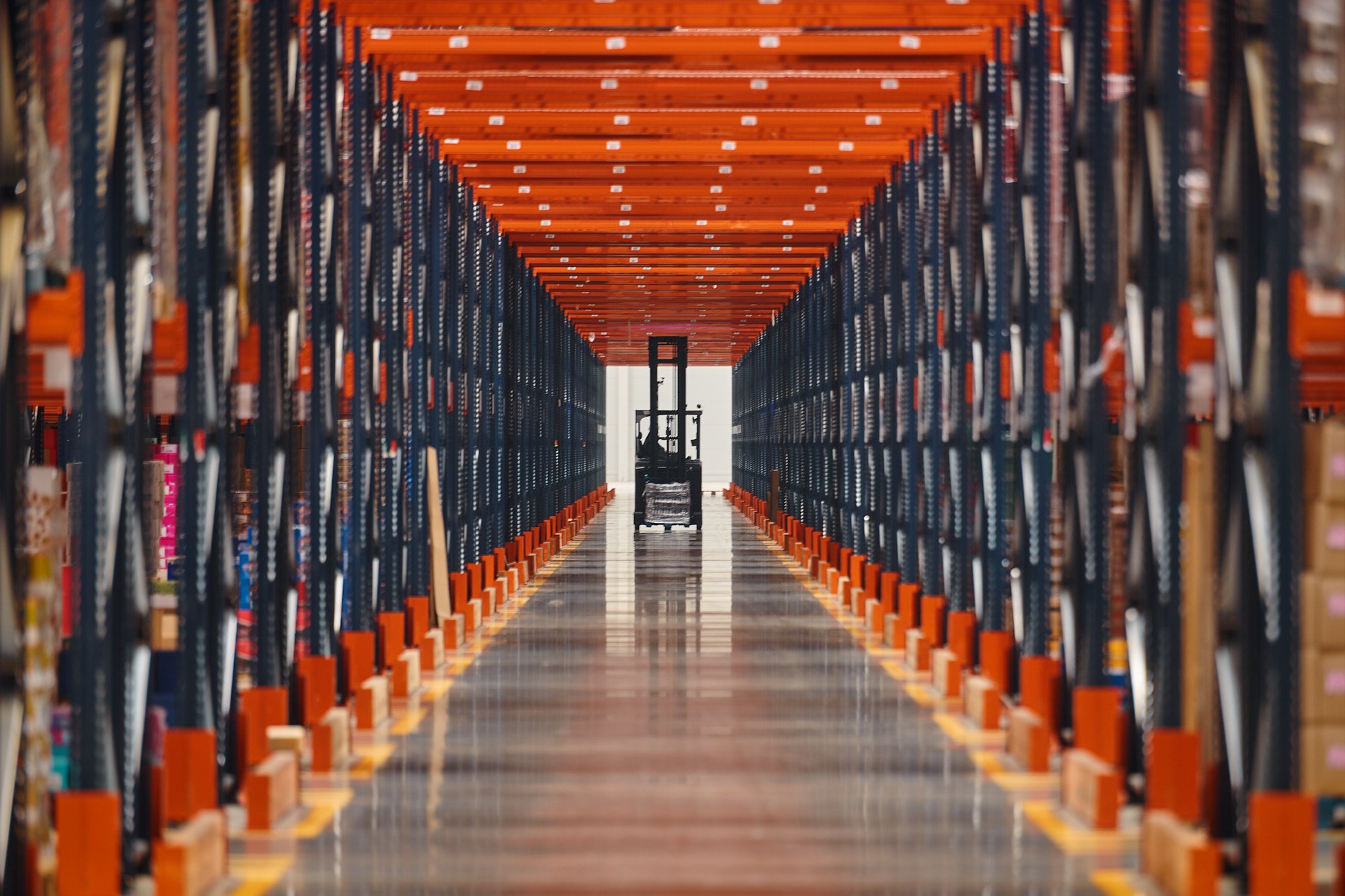
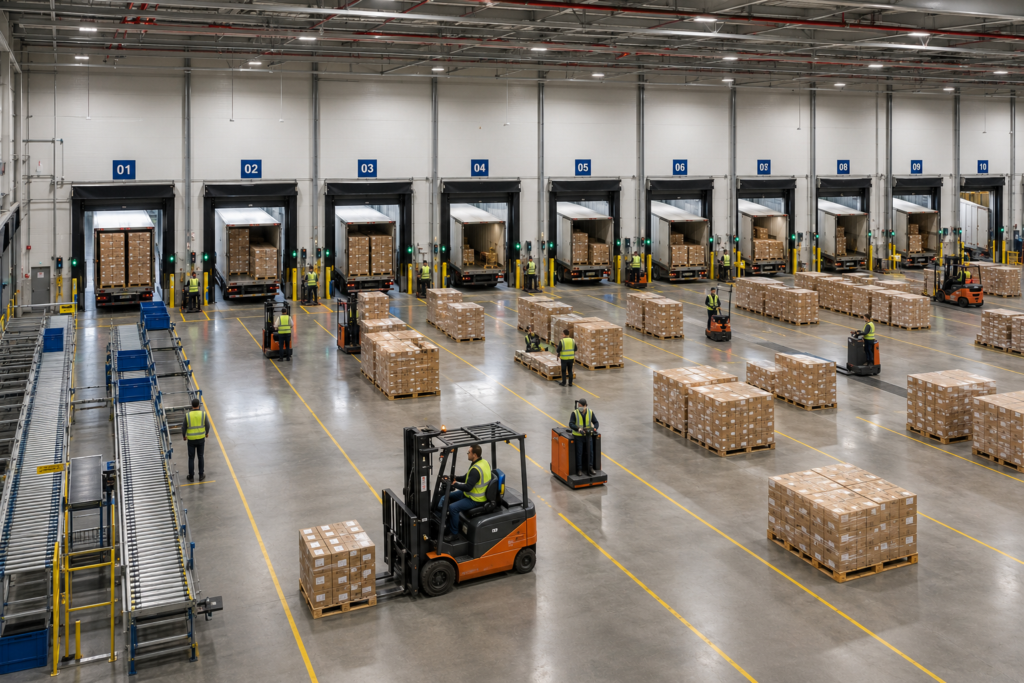
Within a 3PL structure, logistics processes are integrated into the operations of the logistics service provider. Goods are stored in a professional warehouse and orders are processed as soon as they are received.
Thanks to modern technologies such as Warehouse Management Systems (WMS), Transport Management Systems (TMS), and real-time dashboards, companies gain insight into inventory, orders, and shipments.
The process generally works as follows:
- Products are received and stored.
- Inventory is managed digitally.
- Orders are processed automatically.
- Goods are picked, packed, and shipped.
- Deliveries are tracked and reported.
This creates a streamlined flow of goods that can easily be scaled as volumes increase.
Which services fall under 3PL?
Third Party Logistics can consist of various logistics services. Depending on an organization’s needs, a 3PL partner can provide one specific service or a fully integrated solution.
Warehousing
Storage often forms the foundation of a 3PL solution. Through professional warehousing, companies gain access to flexible storage capacity and advanced inventory management.
Fulfillment
For e-commerce companies, fulfillment plays an important role. Orders are processed from the moment they are placed until delivery to the end customer. More information can be found on the fulfillment services page.
Transportation and distribution
In addition to storage, many 3PL providers also handle transportation and distribution. This enables goods to be delivered efficiently to customers, stores, or distribution centers.
Value Added Services
Some products require additional handling before they can be shipped. Examples include labeling, repackaging, assembly, or bundling. These activities fall under Value Added Services.
What is the difference between 3PL and 4PL?
The terms 3PL and 4PL are often confused, but there is an important difference.
A 3PL provider primarily focuses on executing logistics activities such as storage, fulfillment, and transportation. The logistics service provider is an active part of the operational flow of goods.
A 4PL provider has a broader role and focuses on coordinating the entire supply chain. Multiple logistics service providers can be managed from one central control point.
For most organizations, a well-structured 3PL solution provides sufficient control, scalability, and efficiency. A 4PL model becomes particularly interesting when the supply chain consists of multiple logistics partners, locations, and international networks.
Advantages and considerations of 3PL
An important advantage of 3PL is that companies benefit from logistics expertise without having to make major investments themselves. In addition, a logistics partner provides flexibility during growth, seasonal peaks, and changing market conditions.
Key advantages of 3PL include:
- Lower investments in logistics infrastructure.
- Access to specialized knowledge and systems.
- Flexible storage and transportation capacity.
- Real-time visibility into logistics processes.
- Greater focus on your organization’s core activities.
At the same time, a successful partnership requires clear agreements, good communication, and system integration. It is therefore important to choose a logistics partner that aligns with your sector, growth plans, and operational requirements.
Which companies benefit from 3PL?
3PL is used by organizations across a wide range of industries. Companies with growing logistics volumes especially benefit from the scalability and flexibility of logistics outsourcing.
In sectors such as retail, e-commerce, healthcare, food products, and high-tech, a 3PL partner can contribute to a more efficient supply chain and higher delivery reliability.
For companies operating in multiple countries, logistics outsourcing also provides access to established networks, warehouses, and distribution solutions.
How can a logistics partner support this?
A logistics partner supports companies by centrally organizing storage, fulfillment, transportation, and distribution. This creates greater control over the supply chain and allows processes to be organized more efficiently.
For organizations that require scalable logistics support, contract logistics often forms the foundation of a successful 3PL solution. By outsourcing logistics processes to one specialized partner, companies gain greater flexibility, continuity, and visibility.