


















Logistics planning is the process of coordinating all logistics activities within a supply chain to ensure that goods are available at the right time, in the right place, and at the lowest possible cost. This involves carefully planning and coordinating various processes, such as inventory management, warehousing, order processing, transportation, and distribution.
Within modern supply chains, logistics planning plays a crucial role. Effective planning ensures that goods flows operate efficiently, delivery times are met, and available resources are utilized optimally. As a result, organizations can better respond to customer expectations and changes in the market.
What does logistics planning mean?
Logistics planning involves organizing, coordinating, and managing all activities required to move goods through the supply chain. The goal is to align supply and demand as effectively as possible while increasing operational efficiency.
In practice, this means that companies continuously make decisions regarding inventory levels, storage capacity, transportation resources, workforce allocation, and delivery schedules.
Effective logistics planning helps organizations prevent delays, control costs, and achieve a high level of delivery reliability.
Why is logistics planning important?
Supply chains are becoming increasingly complex. Organizations are faced with fluctuating customer demand, international goods flows, shorter delivery times, and rising costs. Without structured planning, bottlenecks can arise that directly impact organizational performance.
Logistics planning helps companies gain greater control over their processes and become better prepared for changes.
In addition, effective planning contributes to:
- Higher delivery reliability
- Lower operational costs
- More efficient use of capacity
- Reduced inventory surpluses
- Greater insight into logistics performance
For organizations that depend on complex goods flows, logistics planning often forms the foundation of a well-functioning supply chain.
Which processes are part of logistics planning?
Logistics planning consists of several closely connected components.
Inventory planning
Inventory planning focuses on determining the right inventory levels. The objective is to maintain sufficient stock availability without unnecessarily tying up capital.
By analyzing demand patterns and using forecasts, organizations can better align their inventory management with expected demand.
Warehouse planning
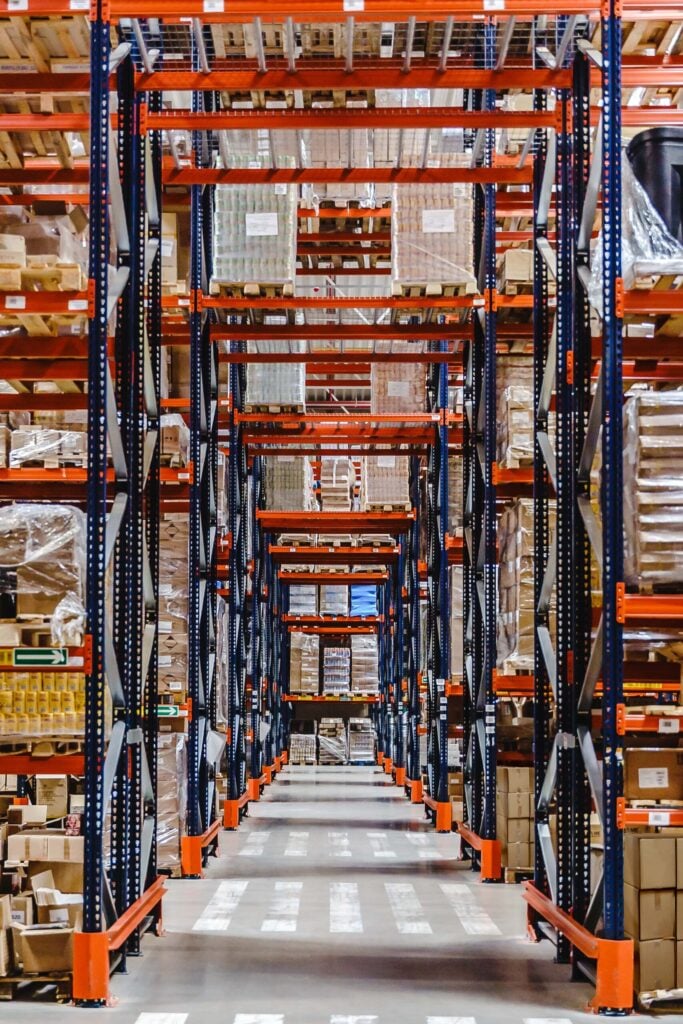
Within warehousing, planning plays an important role in the efficient use of storage space, personnel, and equipment.
Effective warehouse planning ensures that goods can be received, stored, and processed quickly. This reduces waiting times and increases productivity.
Transportation planning
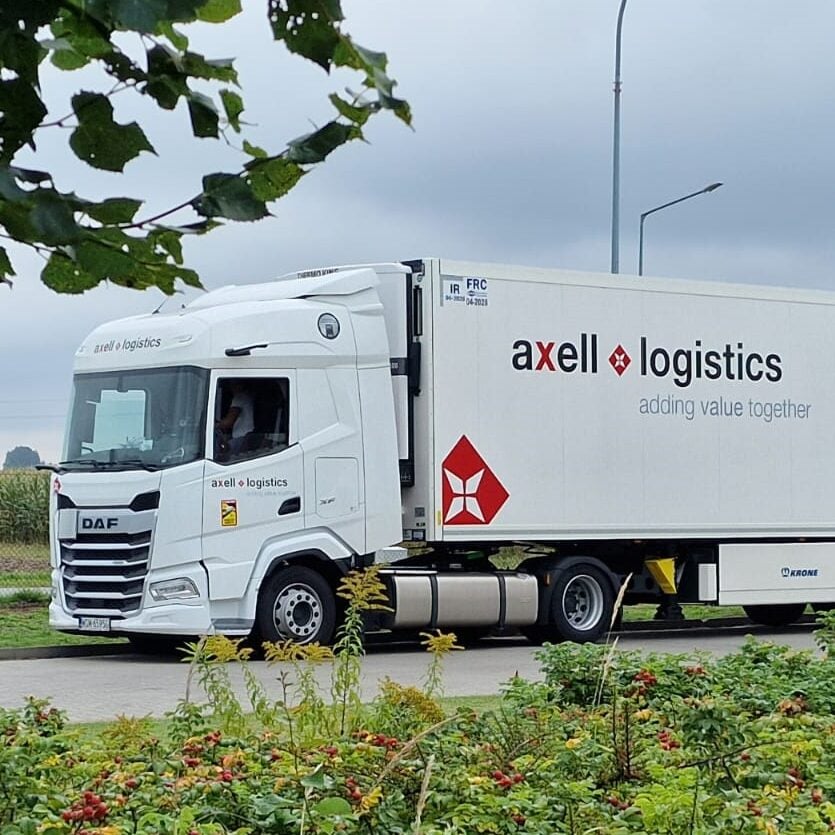
Transportation planning focuses on organizing the movement of goods. This includes routes, vehicles, loading capacity, delivery schedules, and available drivers.
Within transportation, efficient planning helps reduce costs, minimize empty miles, and improve delivery reliability.
How does logistics planning work?
Logistics planning begins with collecting relevant data. This includes order information, inventory levels, customer demand, transportation capacity, and available storage space.
Based on this information, plans are developed for different parts of the supply chain. Processes are then monitored and adjusted where necessary.
Modern organizations increasingly use digital systems such as Warehouse Management Systems (WMS), Enterprise Resource Planning (ERP) software, and Transport Management Systems (TMS).
These technologies provide real-time insight into processes and make it possible to respond more quickly to deviations or changes in demand.
Because logistics conditions are constantly changing, logistics planning is not a one-time activity but a continuous process of analyzing, adjusting, and optimizing.
Benefits and considerations of logistics planning
Well-structured logistics planning offers many advantages but also requires a systematic approach.
Benefits
Greater efficiency
Goods flows are better coordinated, allowing processes to run faster and more consistently.
Lower costs
More efficient use of resources helps reduce transportation, storage, and inventory costs.
Improved delivery reliability
Effective planning helps organizations fulfill commitments to customers more consistently.
Greater flexibility
Organizations can respond more quickly to changes in demand, supply, or market conditions.
Considerations
Reliable data is essential
Decisions are only effective when based on accurate and up-to-date information.
Collaboration between departments
Logistics planning affects multiple processes and departments. Effective coordination therefore remains essential.
Continuous monitoring
Plans must be regularly reviewed and adjusted to ensure optimal performance.
How does a logistics partner support this?
For many organizations, it is challenging to independently plan and optimize all logistics processes. A logistics partner often has specialized expertise, advanced systems, and operational capacity to structure planning more efficiently.
By centrally managing warehousing, inventory management, order processing, and distribution, organizations gain greater insight into performance and can better align their processes.
When logistics planning becomes part of an integrated contract logistics solution, it creates a more efficient supply chain with greater control, flexibility, and delivery reliability.