












Packaging plays a much larger role in international logistics than simply protecting products. The right packaging has a direct impact on transport costs, storage capacity, delivery times, sustainability and customer satisfaction. Within international supply chains, packaging partly determines how efficiently goods can be stored, transported and processed.
For companies distributing internationally, packaging is therefore not only an operational choice, but also a strategic part of the supply chain. Especially within international goods flows, incorrect packaging choices can lead to damage, delays, higher costs and inefficient logistics processes.
Why is packaging important within international logistics?
International logistics involves additional challenges. Products often travel long distances, are transhipped multiple times and come into contact with different transport methods, warehouses and customs processes. Packaging helps keep these processes manageable and predictable.
Good packaging protects products against damage during transport, ensures more efficient use of storage space and helps logistics processes run faster. In addition, packaging contributes to stable pallets, lower return flows and better compliance with international regulations. Especially within international supply chains, this is essential to get goods safely and without delays to their destination.
Which types of packaging are used?
Within international logistics, different types of packaging are used. Each type has its own function within the supply chain.
Primary packaging
Primary packaging is the packaging directly surrounding the product, such as boxes, bottles or retail packaging. This packaging protects the product and often also plays a role in presentation and customer experience.
Secondary packaging
Secondary packaging bundles multiple products together for storage and distribution. Examples include outer cartons, trays or shrink wrap. This allows goods to be processed more efficiently within warehouses and distribution centres.
Transport packaging
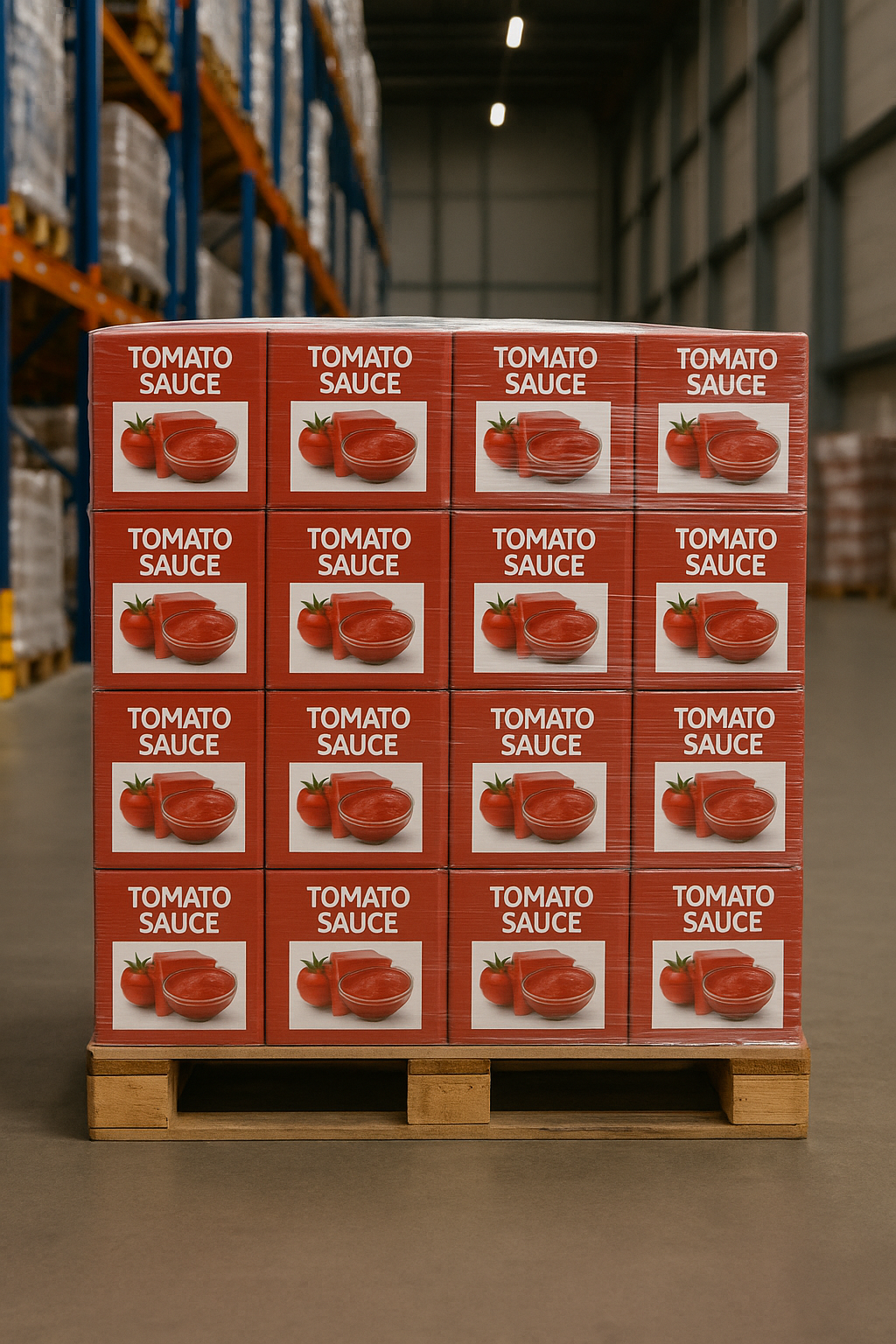
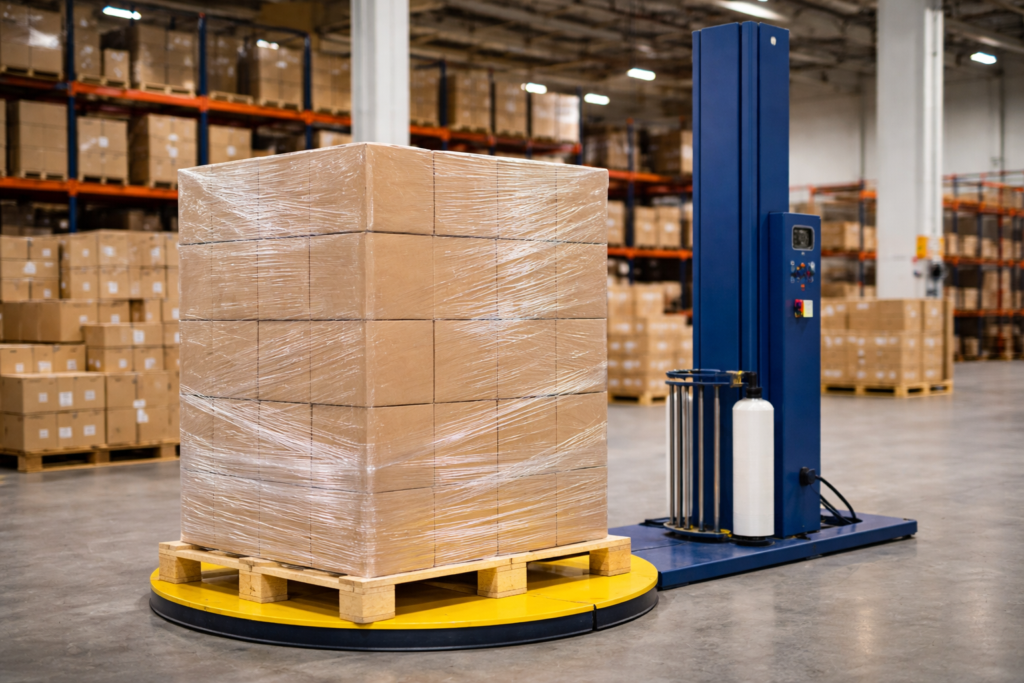
Transport packaging is specifically designed to protect products during international transport. Examples include pallets, pallet wrapping, export crates and protective covers. These packaging solutions help prevent damage during handling, storage and distribution.
What does packaging mean in practice for international supply chains?
In practice, packaging affects almost every step within the logistics chain. Poor packaging often leads to damage, inefficient loading, higher storage costs and delays during distribution.
With international goods flows, this risk becomes greater because products are in transit longer and are processed more frequently by different logistics parties. As a result, a small packaging mistake can have major consequences for the entire supply chain.
Within e-commerce and retail, packaging also plays an important role in fulfilment processes and reverse logistics. During peak periods, packaging must remain scalable without compromising speed or quality.
How does packaging affect transport costs?
Packaging has a direct impact on logistics costs. International transport rates are determined not only by weight, but also by volume, stackability and the efficiency of pallet loading.
When packaging is unnecessarily large or inefficiently designed, empty space is created in trucks or containers. This increases the cost per shipment. In addition, damaged goods can lead to extra handling, return costs and replacement deliveries. Good packaging therefore not only helps prevent damage, but also contributes to a more efficient supply chain and lower operational costs.
Within international distribution, packaging is therefore often aligned with transport flows, storage capacity and handling processes.
How does packaging work within warehousing and fulfilment?
Within warehouses, packaging plays an important role in storage efficiency, order picking and inventory management. Packaging must be suitable for pallet storage, scanning and fast processing without additional handling.
Within modern warehousing, increasing attention is therefore being paid to standardising packaging, optimising pallet sizes and creating efficient handling processes. This helps organisations process goods faster and more accurately.
Packaging is also important within fulfilment processes. Orders must be safely and efficiently prepared for shipment, while return flows remain manageable.
Sustainability and packaging in international logistics
Sustainability is playing an increasingly important role within international supply chains. Companies are therefore actively looking for ways to reduce packaging materials and organise logistics processes more efficiently.
Smartly designed packaging can contribute to:
- less packaging waste
- more efficient loading
- lower CO₂ emissions
- fewer transport movements
At the same time, product protection remains essential. International logistics therefore requires a good balance between sustainability, reliability and operational efficiency.
Packaging is also becoming increasingly important due to legislation and regulations. The European Commission is imposing stricter requirements on packaging waste, reuse and sustainability within international supply chains.
What should you consider with international packaging?
International logistics often requires different packaging standards than national distribution. Products are exposed to longer transport distances, multiple transhipment moments and different logistics conditions.
In addition, customs requirements, labelling and palletisation play an important role. Packaging must remain efficiently stackable while also providing sufficient protection during transport and storage.
For e-commerce and retail, reverse logistics is also an important point of attention. Packaging must not only be suitable for shipping, but also contribute to efficient returns processing.
Especially during international growth, it is important that packaging processes remain scalable during peak periods and changing market demand.
How does a logistics partner support packaging?
Many companies choose to partially or fully outsource packaging processes to a logistics partner such as Axell Logistics. This creates more continuity within the supply chain and allows organisations to scale more flexibly during busy periods.
Within value-added services, activities such as repacking, labelling, bundling and preparing shipments can be directly integrated into warehouse processes.
In addition, contract logistics helps companies better align packaging with international distribution, fulfilment and storage processes.
For organisations operating internationally, packaging is therefore increasingly becoming part of a broader supply chain strategy.