











A logistics chain is the complete process in which goods, information and sometimes financial flows move from supplier to end user. This process includes all the steps required to get a product to the customer at the right time, in the right place and in the right quantity. Within a well-organised supply chain, suppliers, manufacturers, logistics service providers and customers work closely together to ensure goods flow as efficiently as possible.
For businesses, a well-functioning logistics chain is essential to improve delivery reliability, control costs and serve customers quickly.
What does a logistics chain look like?
A logistics chain consists of several interconnected links. Each link influences the performance of the next step. If one part of the chain is delayed, it can affect the entire flow of goods.
A logistics chain usually starts with the supplier of raw materials or products. The goods are then manufactured, stored, transported and ultimately delivered to a distribution centre, retailer or end customer. Throughout these stages, information is continuously exchanged regarding inventory, orders, transportation and planning.
The better these processes are aligned, the more efficiently the logistics chain operates.
Why is an efficient logistics chain important?
Customer expectations continue to rise. Fast delivery times, real-time order visibility and reliable deliveries are now considered the standard rather than the exception. At the same time, companies are facing increasing transportation costs, labour shortages and international disruptions within the supply chain.
A well-designed logistics chain helps organisations respond more effectively to these challenges. By aligning processes intelligently, businesses gain greater control, lower operational costs and improved delivery reliability. It also enables companies to respond more quickly to changes in demand while preventing unnecessary inventory.
For organisations operating internationally, an efficient logistics chain also contributes to better collaboration between suppliers, warehouses and transportation partners.
Which components are part of a logistics chain?
A logistics chain consists of multiple logistics processes that work together seamlessly.
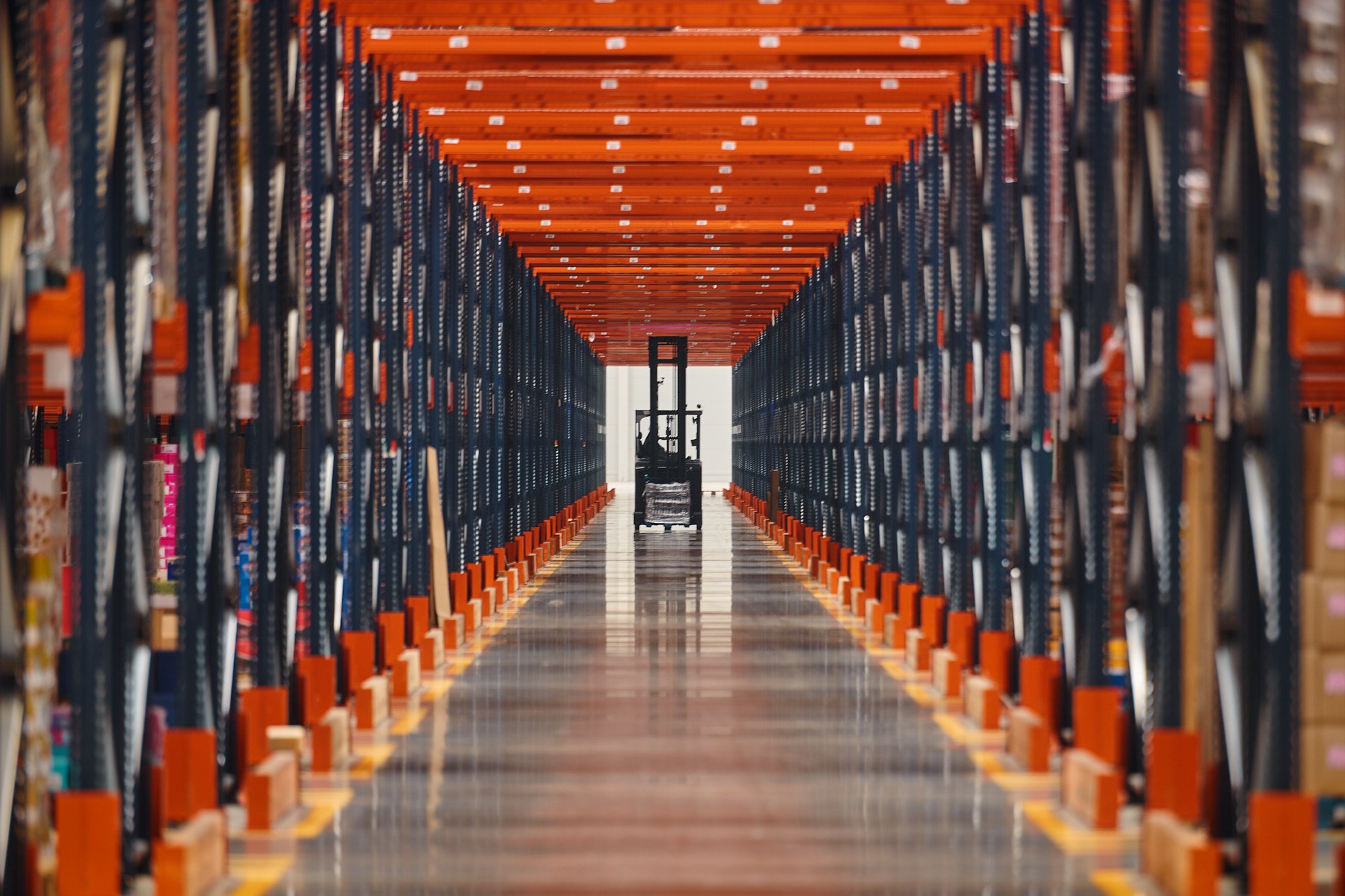
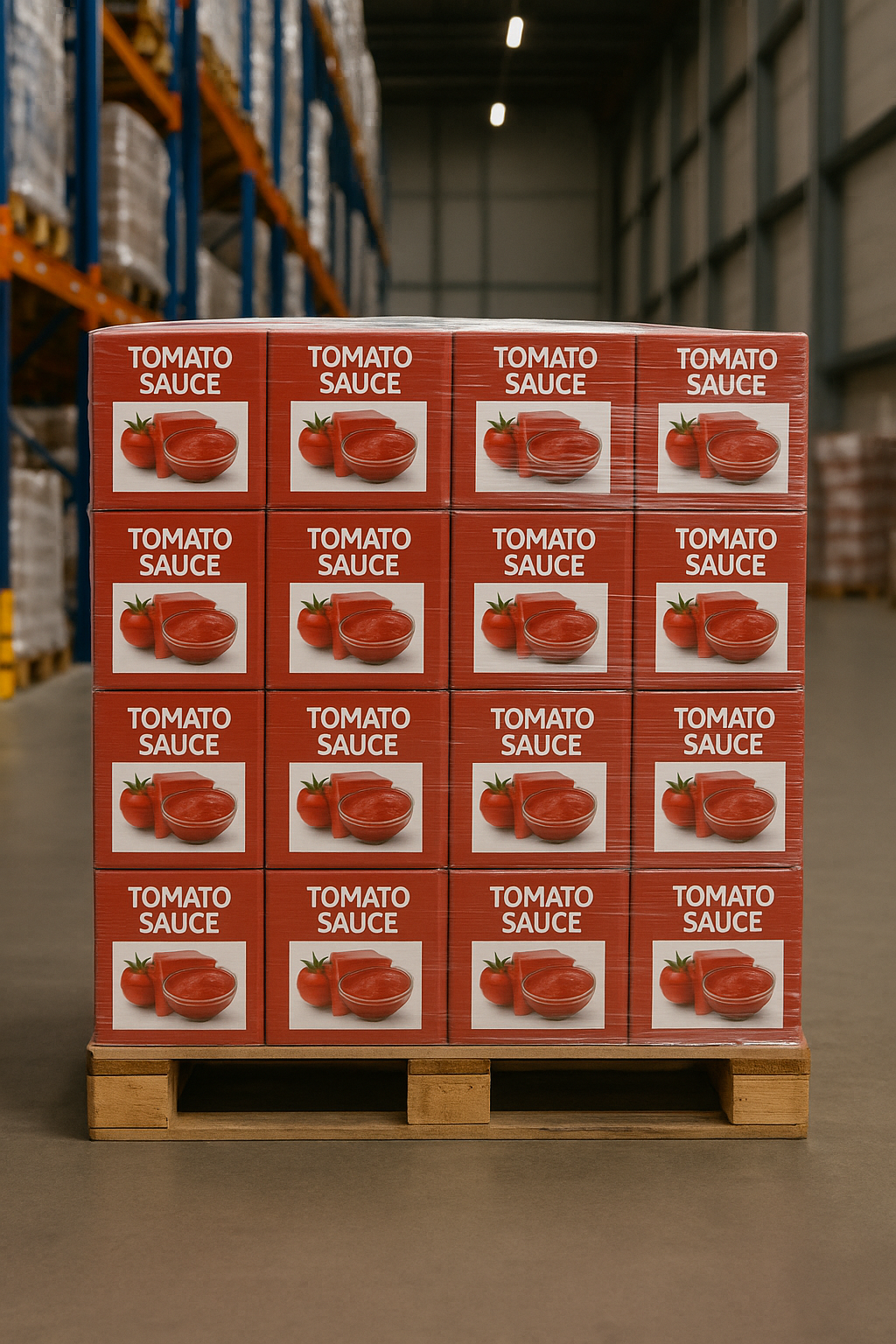
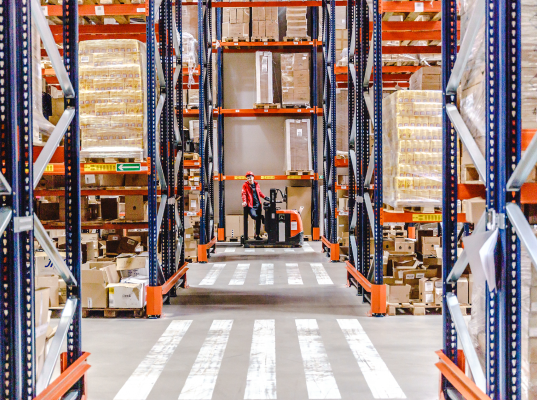
It starts with the procurement and receipt of goods. The products are then stored in a warehouse, where inventory is managed using a Warehouse Management System (WMS). More information about this can be found on the warehousing page.
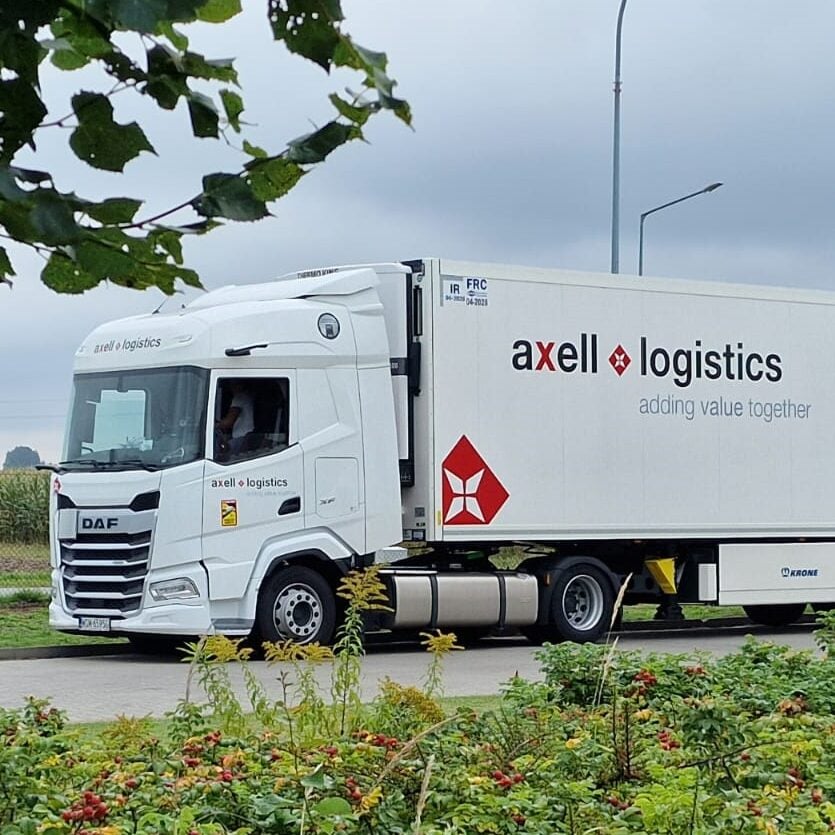
When an order is placed, the order fulfilment process begins. Products are picked, packed and prepared for shipment. Transportation then ensures the goods arrive at the correct destination. Modern Transport Management Systems (TMS) support transport planning, tracking and optimisation throughout this process.
Returns logistics, inventory management and value-added logistics services, such as labelling or repacking, are also often part of a complete logistics chain.
What challenges occur within a logistics chain?
A logistics chain only performs optimally when all links work together effectively. In practice, organisations regularly face challenges that affect the performance of the entire chain.
Many companies deal with limited inventory visibility, disconnected IT systems, fluctuating transport capacity or unexpected disruptions in international goods flows. Seasonal peaks, changing customer demand and supplier delivery issues can also cause delays.
By digitising processes and making information available in real time, companies can respond more quickly to changes and minimise risks.
How does a logistics partner support a logistics chain?
More and more organisations outsource part or all of their logistics chain to a specialised logistics service provider. This allows warehousing, transportation, inventory management and order fulfilment to be integrated within one logistics network.
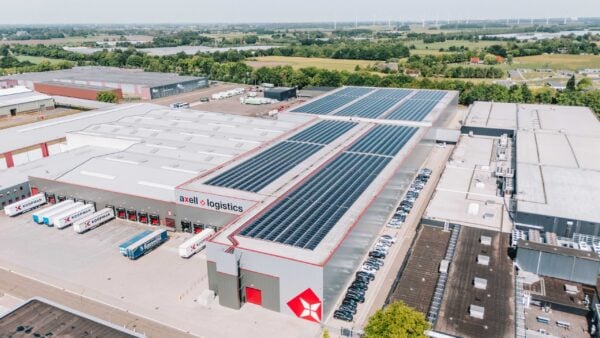
A partner such as Axell Logistics supports businesses with warehousing, distribution and transportation, complemented by real-time visibility through WMS and TMS systems. This provides greater control over the entire flow of goods while allowing companies to focus on their core activities.
Would you like to learn more about optimising your logistics processes? Read more about contract logistics or discover how Third Party Logistics (3PL) can contribute to a more efficient logistics chain.