








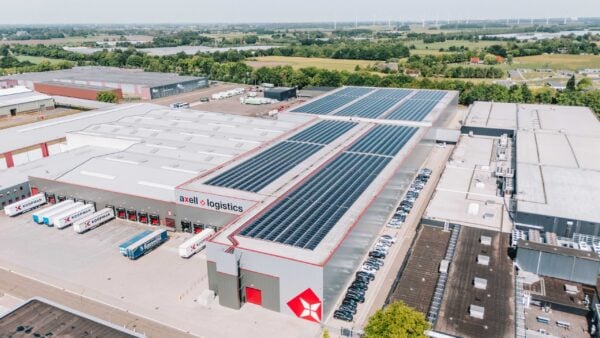
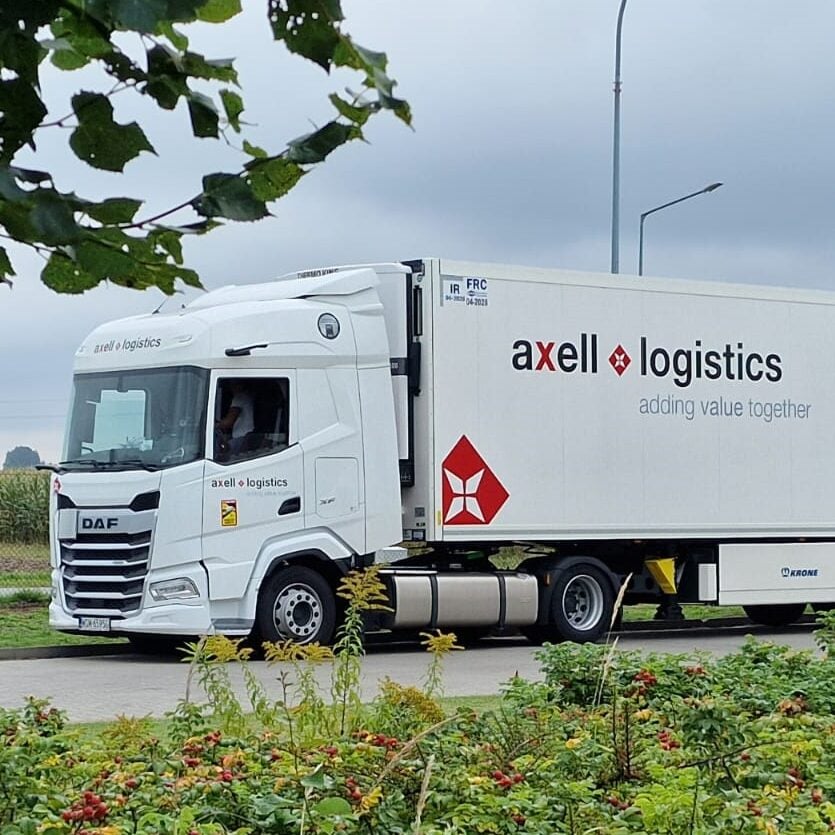





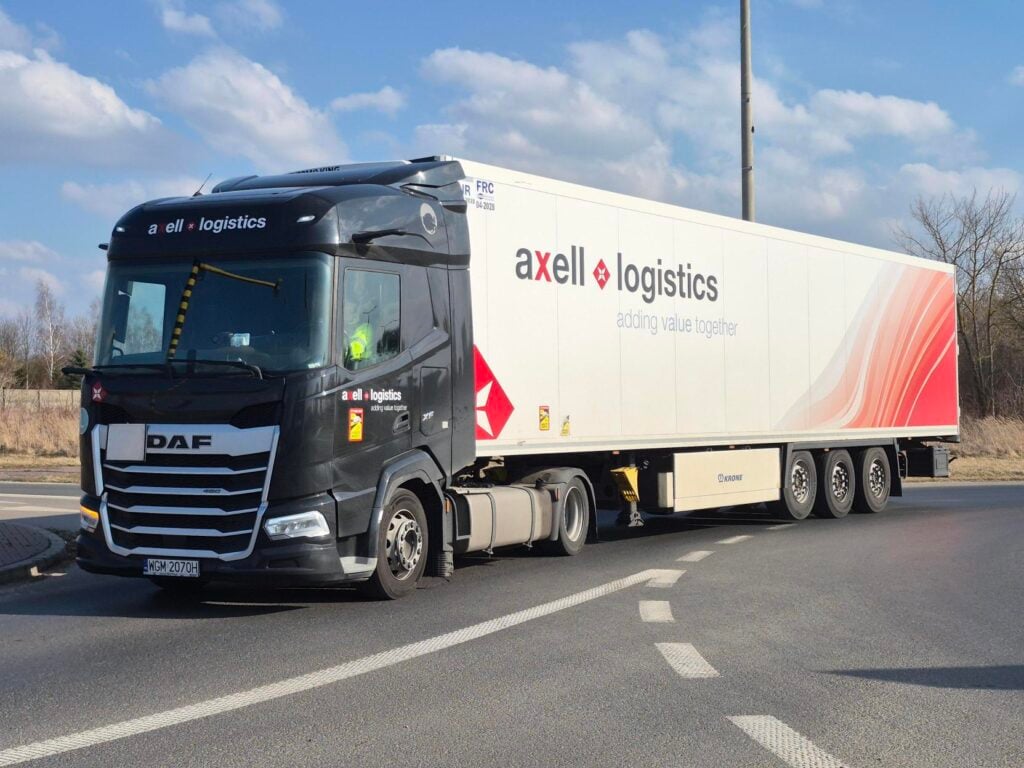
Fine-meshed distribution is a form of distribution logistics in which goods are delivered to a large number of different delivery locations within a specific area. Instead of transporting large volumes of goods to a small number of distribution centers, fine-meshed distribution focuses on frequent deliveries to stores, businesses, healthcare facilities, or consumers.
This form of distribution plays an important role in modern supply chains. Due to the growth of e-commerce, stricter delivery agreements, and higher customer expectations, organizations must manage their distribution networks more efficiently than ever before. Fine-meshed distribution supports this by delivering goods quickly, accurately, and within agreed delivery time windows.
What does fine-meshed distribution mean?
In fine-meshed distribution, a distribution network is organized to serve many different delivery points. These are often relatively small shipments that need to be distributed across multiple locations. Examples include stores that are replenished daily, healthcare facilities that regularly receive medical devices, or webshops that deliver orders directly to consumers. Organizations with multiple branches also frequently use fine-meshed distribution.
The difference compared to traditional distribution is that the focus is less on large volumes per destination and more on efficiently managing a large number of individual deliveries. The more delivery points there are, the more important a well-organized distribution network becomes.
How does fine-meshed distribution work?
Fine-meshed distribution requires careful planning of product flows, routes, and delivery times. In practice, goods are first collected in a warehouse or distribution center. Orders are then sorted by region, delivery address, and route. Based on this information, transportation is planned while taking delivery windows, traffic conditions, and loading capacity into account.
Because vehicles often visit dozens of delivery locations each day, route optimization plays a crucial role. Modern planning software helps carriers create efficient routes, reduce empty miles, and minimize delays wherever possible. In addition, real-time tracking is increasingly being used, providing both carriers and customers with visibility into the status of deliveries.
Where is fine-meshed distribution used?
Fine-meshed distribution is used in sectors where goods need to be transported regularly to many different locations. Retailers use this form of distribution to replenish stores on time and prevent stock shortages. Within e-commerce, the focus is on delivering individual orders quickly and reliably to consumers.
Fine-meshed distribution is also important within the healthcare sector, for example for the delivery of medical devices to healthcare facilities. In addition, suppliers of packaged food products, office supplies, and other consumer goods use fine-meshed distribution networks to efficiently deliver their products to customers.
Fine-meshed distribution often forms the final link between a warehouse and the ultimate destination of the goods.
Benefits and considerations of fine-meshed distribution
Fine-meshed distribution offers several advantages. Through fixed routes and careful planning, goods can be delivered reliably within agreed time windows. This contributes to higher customer satisfaction and greater predictability within the supply chain. In addition, a fine-meshed distribution network makes it possible to respond flexibly to changing demand patterns and seasonal peaks.
At the same time, this form of distribution also presents challenges. The large number of delivery locations requires accurate planning and close coordination between the warehouse, transportation provider, and customer. A delay on one route can affect multiple deliveries. As a result, technology, real-time visibility, and route optimization are becoming increasingly important for the efficient execution of fine-meshed distribution.
How can a logistics partner support this?
Organizing fine-meshed distribution requires a combination of transportation capacity, route planning, and visibility into product flows. A logistics partner can support this by centrally organizing and optimizing distribution processes.
Within modern supply chains, fine-meshed distribution is often combined with distribution services, domestic transportation, and contract logistics. This enables product flows to be better aligned and provides greater control over deliveries.
As the number of delivery locations grows, a well-organized distribution network becomes increasingly important. Organizations that invest in efficient distribution processes often benefit from higher delivery reliability, improved customer satisfaction, and greater control over logistics costs. In this context, a logistics partner is not only an operational provider but also an important factor in optimizing the entire supply chain.