

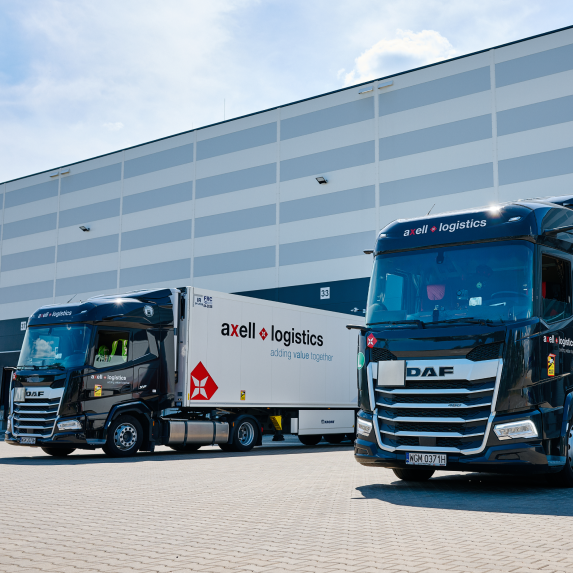









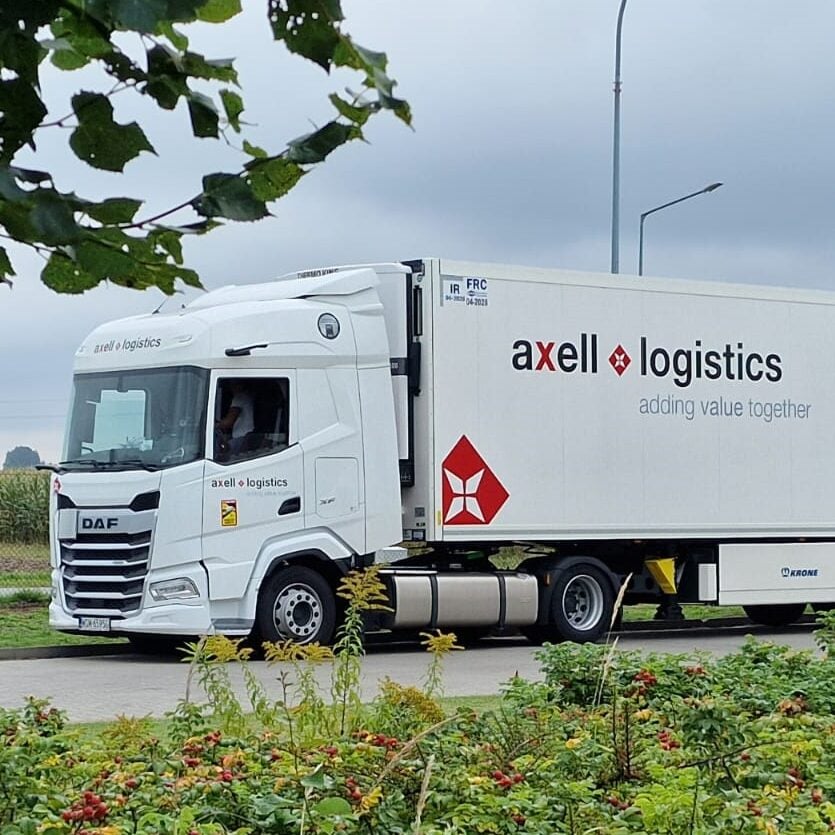





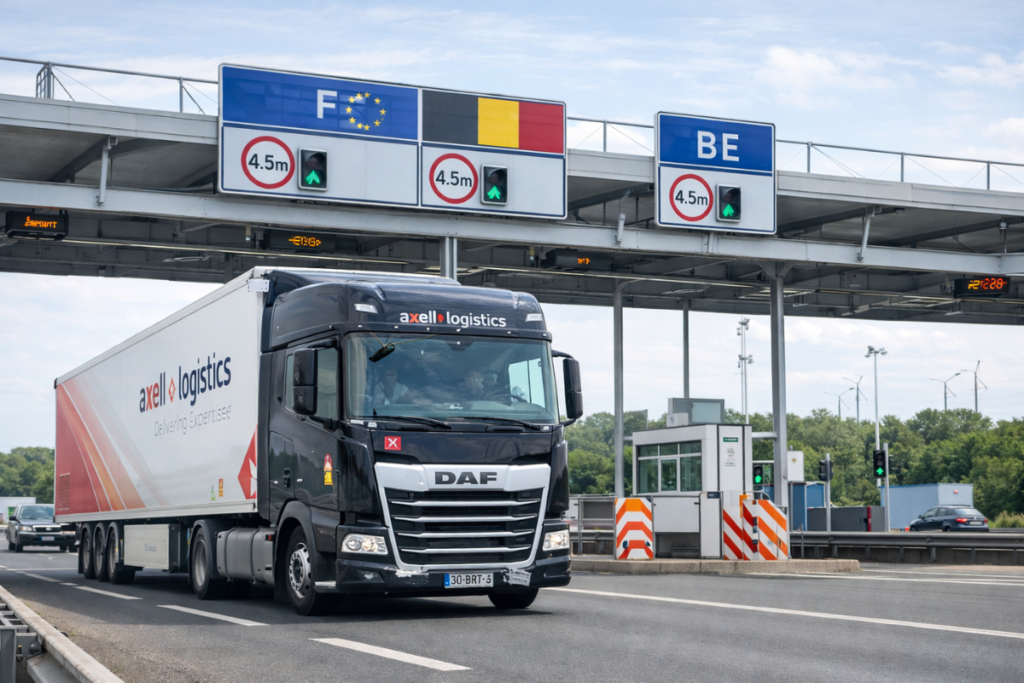
International transport within Europe refers to the transportation of goods between two or more European countries. In most cases, this is carried out by road transport, although rail, sea or multimodal transport may also be used depending on the destination and the type of goods. An efficient international flow of goods requires careful planning, reliable carriers and visibility across the entire supply chain. By choosing the right transport solution, companies can shorten delivery times, control transport costs and provide better service to their customers.
How does international transport within Europe work?
International transport involves much more than moving goods from point A to point B. Behind every shipment is a carefully planned logistics process in which transport planning, route optimisation and documentation come together.
A shipment begins with registering the consignment. This includes recording information such as the dimensions, weight, destination and required delivery date. The transport planner then determines the most suitable route and transport solution.
Within international transport, vehicles are continuously planned to achieve the highest possible efficiency. Factors such as distance, loading capacity, delivery times and the availability of transport resources all play an important role.
Which transport solutions are used?
Depending on the volume of the goods and the required delivery time, different transport solutions can be used.
Groupage
With groupage, smaller shipments from multiple companies are consolidated into one truck. This ensures that the available loading space is utilised as efficiently as possible and transport costs are shared among multiple shippers.
This solution is particularly suitable for companies that regularly ship smaller quantities of goods to different destinations across Europe. You can read more about this on the groupage page.
LTL (Less Than Truckload)
With LTL, a truck is partially filled with one or several larger partial loads. There are generally fewer collection and delivery addresses than with groupage, making the route simpler and often resulting in shorter transit times.
LTL is a suitable intermediate solution for companies that have too much freight for groupage but not enough volume to justify a full truckload.
FTL (Full Truck Load)
When a shipment is large enough to fill an entire truck, FTL is the preferred solution. The truck is fully dedicated to one customer and travels directly to the final destination.
This transport solution is particularly suitable when speed, direct delivery or minimising transhipment points is important.
What role do logistics hubs play?
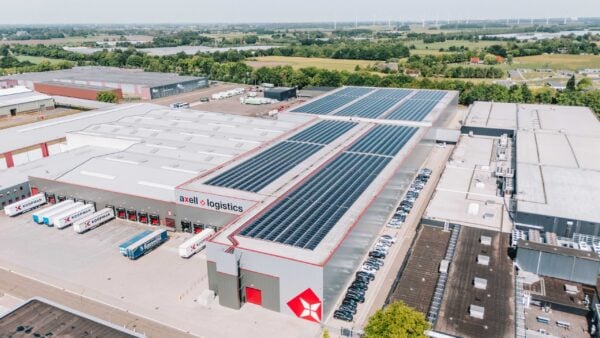
International goods flows often pass through logistics hubs. These are strategically located distribution centres where goods are collected, sorted and redistributed across different vehicles.
By using logistics hubs, transport providers can consolidate freight more efficiently and optimise transport routes. This is particularly beneficial for groupage and LTL transport, where it leads to better utilisation of available transport capacity and improved delivery reliability.
What should you take into account?
International transport requires careful preparation. It is not only the distance that matters, but also factors such as delivery times, traffic conditions, drivers’ hours and rest periods, local regulations and the availability of transport capacity.
In addition, real-time visibility has become increasingly important. Modern Transport Management Systems allow shipments to be monitored throughout the transport process, making it possible to respond quickly to delays or changes in the transport schedule.
What are the benefits of well-organised international transport?
A well-organised international transport process offers more than simply moving goods from one destination to another. By planning transport flows efficiently and aligning them with your organisation’s needs, you create a stable and scalable supply chain.
Improved delivery reliability is one of the key benefits. Effective planning, real-time visibility and a reliable carrier network help ensure that goods are delivered as agreed.
Efficient transport planning also contributes to lower transport costs. By selecting the right transport solution and making optimal use of available loading space, unnecessary journeys and empty kilometres can be reduced.
Greater flexibility is another important advantage. Organisations with fluctuating order volumes can easily switch between groupage, LTL and FTL depending on the size and destination of each shipment.
What challenges are involved in international transport?
Although transporting goods within Europe is relatively straightforward, it still requires careful coordination. Shipments must be aligned with different collection and delivery locations, transport capacity must be available at the right time, and changes to the transport schedule must be processed quickly.
In addition, factors such as traffic congestion, roadworks or unexpected delays can affect transit times. Effective logistics planning and continuous monitoring help minimise these risks as much as possible.
For companies that regularly ship internationally, it is therefore important to work with a logistics partner that offers experience, a reliable transport network and digital systems that provide real-time visibility.
How does a logistics partner support this?
International transport requires close coordination between warehousing, transport planning and distribution. A logistics partner supports your organisation by selecting the most suitable transport solution, planning efficient routes and coordinating international goods flows.
When transport forms part of a broader logistics strategy, it can be combined with contract logistics. This ensures that warehousing, inventory management and transportation work seamlessly together, creating an efficient supply chain that can grow alongside your organisation.
Would you like to learn more about the possibilities of international freight transport? Read more about international transport and discover which solution best fits your logistics processes.