











IOSS stands for Import One Stop Shop. This is a VAT scheme within the European Union that allows webshops to remit VAT on goods shipped from outside the EU to consumers within the EU. The scheme is mainly intended for e-commerce companies selling products with a value of up to €150.
Within international supply chains, IOSS helps make the import process simpler and faster. Consumers pay the VAT directly during checkout in the webshop, meaning that in most cases no additional import costs or administrative actions are required upon delivery.
What does IOSS mean?
The IOSS scheme was introduced to make international e-commerce within Europe more manageable. Previously, consumers often had to pay unexpected VAT and customs clearance costs once a package arrived in the destination country. This regularly caused delays, returns and a poorer customer experience.
With IOSS, the VAT is already processed during the online purchase. The webshop or seller then remits this VAT centrally through one European system.
This provides more clarity, fewer border delays and smoother delivery to the end customer.
Why does the IOSS scheme exist?
The strong growth of international e-commerce has led to a huge increase in small shipments to European consumers. This created several challenges:
- unexpected costs for consumers
- delays in customs processes
- complex VAT administration for webshops
- higher pressure on logistics processes
The IOSS scheme helps align these processes more effectively. This creates more control over international shipments and makes delivery more predictable for consumers.
For webshops active in multiple European countries, this can be an important step towards scalable international growth.
How does IOSS work in practice?
When placing an order through a webshop, the process usually takes place in several steps.
Order by consumer
A customer within the EU orders a product from a webshop outside their own country or outside the European Union. During checkout, the correct VAT is calculated immediately.
VAT processing
The webshop registers the VAT through the IOSS system. This means the consumer no longer has to pay these costs separately upon receiving the package.
Import and delivery
During the import process, the IOSS number is used in the customs declaration. This allows the shipment to be processed and delivered faster.
For consumers, this means more transparency and fewer unexpected costs upon delivery.
What are the benefits of IOSS?
The scheme offers benefits for both webshops and consumers.
For webshops
- simpler VAT management within the EU
- less chance of delays at the border
- better international customer experience
- more efficient processing of e-commerce shipments
For consumers
- no unexpected import costs
- faster insight into total costs
- smoother delivery of international orders
At the same time, international e-commerce requires good coordination between webshop, fulfilment and transport. Especially with growing order volumes, processes surrounding inventory management, distribution and return flows can become more complex.
When is IOSS interesting for webshops?
IOSS is particularly interesting for:
- webshops selling to consumers within the EU
- e-commerce companies with international fulfilment
- companies aiming to improve customer satisfaction
- organisations wanting to limit import delays
For growing webshops, logistics scalability is becoming increasingly important. This includes real-time inventory management, fast order processing and reliable European distribution through specialised fulfilment services.
Good support in the field of e-commerce logistics also plays an important role here.
How does a logistics partner support international e-commerce?
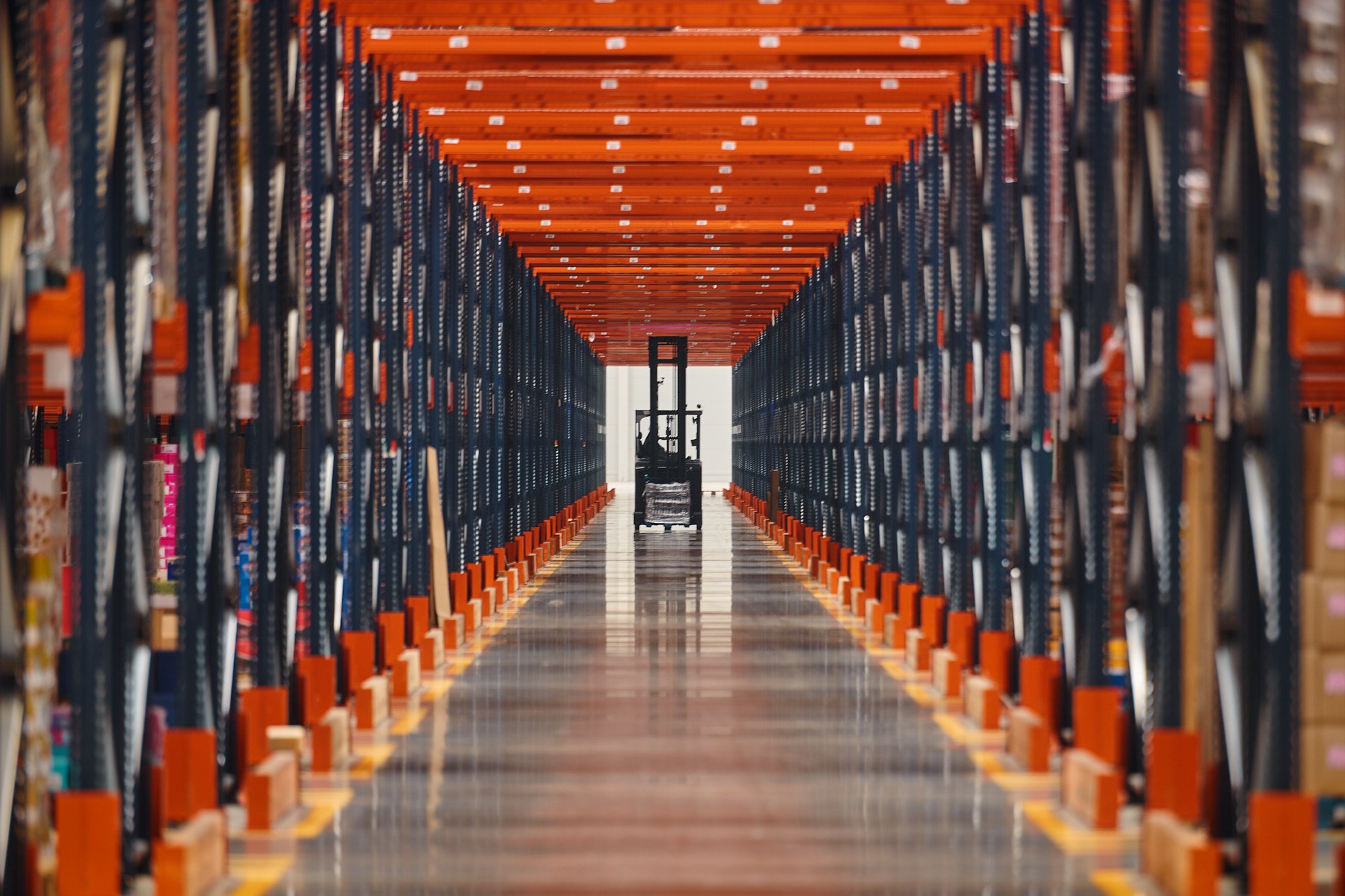
International shipping requires more than just transport. Companies have to deal with inventory management, order processing, reverse logistics, customs processes and international distribution.
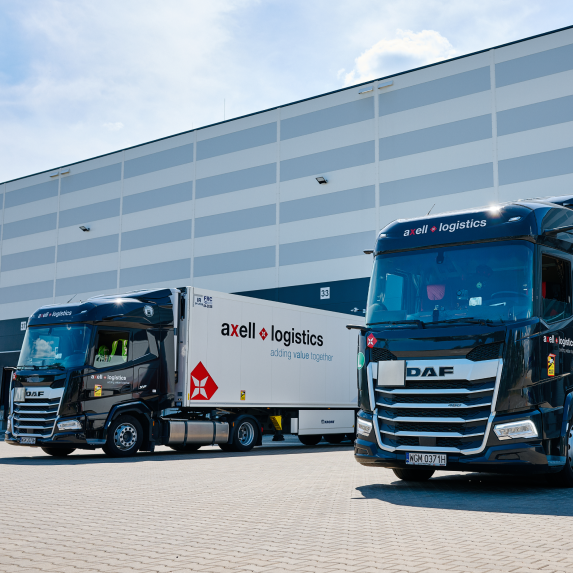
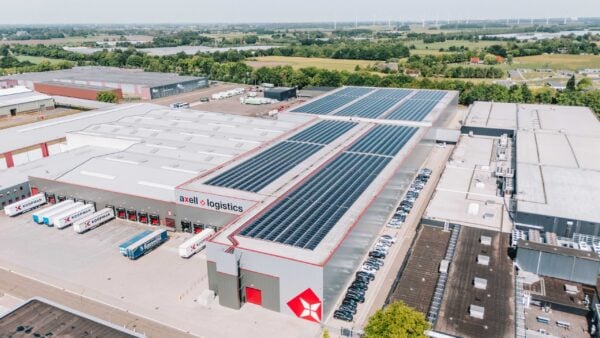
Axell Logistics can help you organise these processes in a clear and scalable way. Examples include support with warehousing, fulfilment, European distribution and international transport.
For organisations continuing to grow within Europe, an integrated approach through contract logistics can contribute to more control, continuity and insight within the supply chain.