










DAP stands for Delivered At Place. This incoterm means that the seller is responsible for transporting the goods to the agreed delivery location. The buyer is then responsible for unloading the goods and any import duties or customs formalities.
Within international logistics, DAP is widely used in European distribution, ecommerce, and international trade. The incoterm provides clear agreements regarding transport responsibilities and risks within the supply chain.
What is DAP (Delivered At Place)?
DAP is one of the international Incoterms established by the International Chamber of Commerce (ICC). Incoterms determine which party is responsible for transport, risks, and costs during international deliveries.
Under DAP, the seller arranges:
- transport to the agreed destination
- export formalities
- transport costs up to delivery
The buyer arranges:
- unloading the goods
- import duties
- import formalities
- any local taxes
The risk transfers at the moment the goods are made available at the agreed location.
How does DAP work in practice?
Under DAP, the seller organises almost the entire transport process. The goods are delivered to a pre-agreed location, for example:
- a warehouse
- distribution centre
- store
- company location
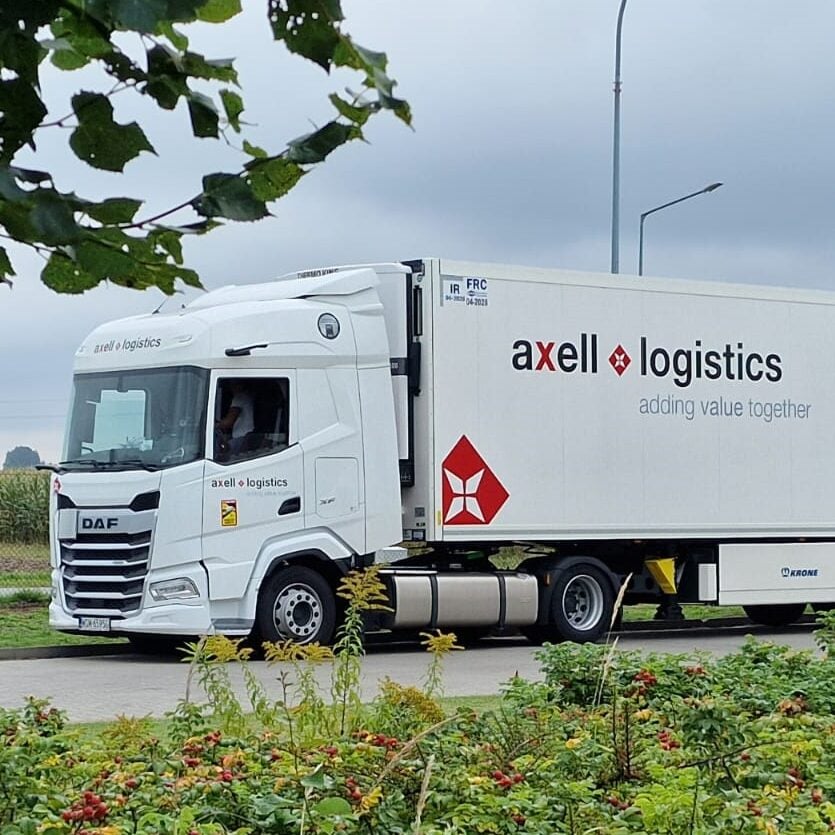
A supplier in Poland can, for example, transport goods to a warehouse in the Netherlands through international transport. Once the freight arrives at the agreed location, responsibility is transferred to the buyer.
DAP is often used when:
- suppliers want to organise transport
- international distribution is centrally managed
- the buyer does not have an international transport network
- clear agreements are needed regarding transport responsibility
Within European supply chains, DAP often provides more overview and predictability.
Who pays transport costs under DAP?
Under DAP, the seller pays almost all transport costs up to the agreed delivery location.
This usually includes:
- transport costs
- export documentation
- export declarations
- transport insurance if agreed
- international shipping
The buyer generally pays:
- import duties
- VAT/import costs
- customs clearance costs
- unloading costs
- any local distribution after delivery
It is important to clearly establish these agreements in advance. Insufficient alignment can lead to unexpected costs or delays within the supply chain.
When does the risk transfer under DAP?
Under DAP, the risk transfers once the goods have been made available at the agreed destination and are ready to be unloaded.
This means:
- the seller bears the risk during transport
- the buyer bears the risk from arrival at the location
This distinction is important in cases of:
- transport damage
- delays
- liability
- insurance
Within international logistics, clear incoterm agreements help prevent discussions about responsibilities.
What is the difference between DAP and DDP?
DAP and DDP are very similar, but differ on one important point.
Under DAP:
- the buyer pays import duties and taxes
Under DDP (Delivered Duty Paid):
- the seller also pays import duties and import costs
DAP is therefore often used when:
- the buyer wants to manage local import processes themselves
- companies want to maintain control over import formalities
- international distribution takes place across multiple countries
For international distribution processes, it is important to choose the correct incoterm in advance based on responsibilities and cost allocation.
Advantages and points of attention of DAP
DAP offers advantages for both buyers and sellers, but also requires clear logistics agreements.
Advantages
More clarity regarding transport responsibility: The seller organises the majority of the transport process.
Better control over international deliveries: Transport can be centrally managed.
Suitable for international distribution: DAP is widely used, especially within European supply chains.
Less complex for buyers: The buyer does not have to organise international transport themselves.
Points of attention
Import duties are the buyer’s responsibility: This can lead to unexpected costs if agreements are unclear.
Clear delivery location required: Uncertainty about the place of delivery can create risks.
Customs formalities require coordination: Especially outside the EU, correct documentation is essential.
Delays can impact supply chains: Good transport coordination remains important.
For companies active in international trade, a clear incoterm structure helps make logistics processes more manageable.
How does a logistics partner support this?
A logistics partner supports companies in organising international transport and distribution processes.
This includes:
- transport planning
- international distribution
- customs documentation
- real-time tracking
- supply chain coordination
For companies that regularly transport goods within Europe, for example through transport to Poland, clear logistics agreements are essential to prevent delays and additional costs.
By centrally organising international logistics processes, more control, predictability, and continuity are created within the supply chain.