









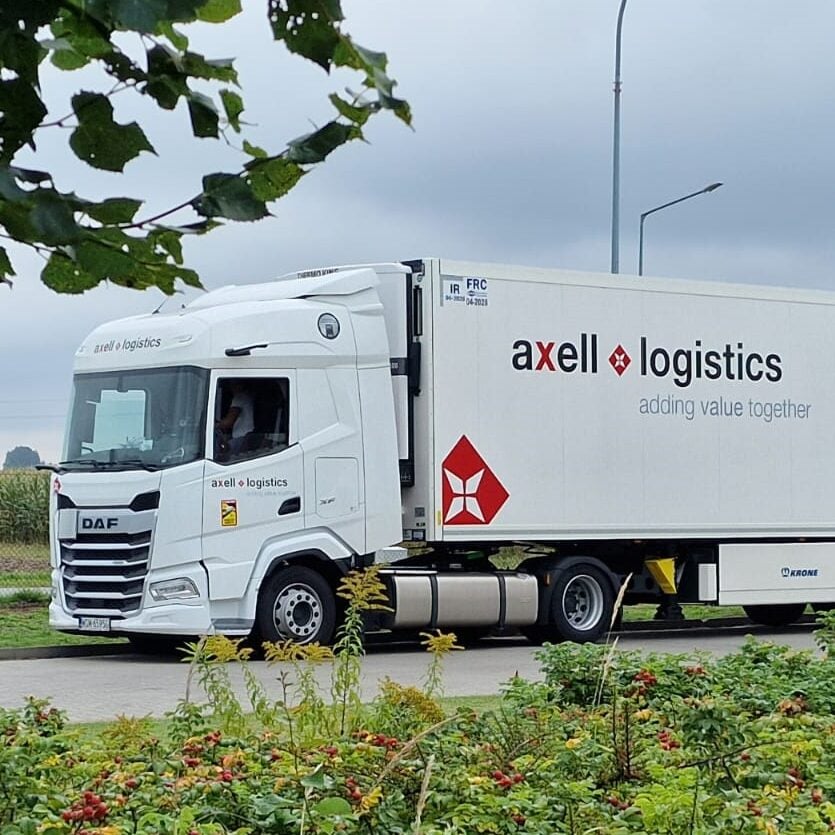




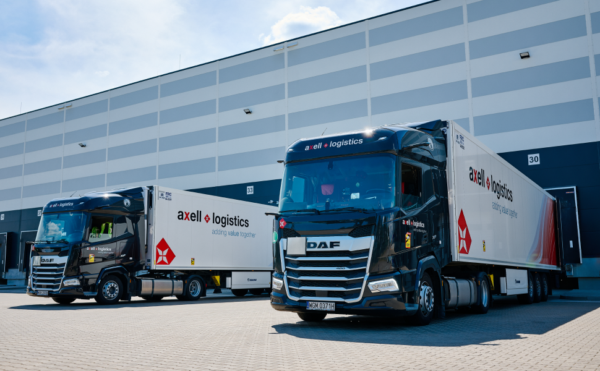
A freight forwarder is a logistics service provider that organizes and coordinates transportation between shippers, carriers, and other parties within the supply chain. A freight forwarder usually does not transport goods itself but ensures that shipments reach their destination efficiently, safely, and in accordance with applicable regulations.
For companies operating internationally, a freight forwarder plays an important role in planning transportation, managing documentation, and coordinating complex logistics processes. This enables organizations to organize their goods flows more efficiently and focus on their core activities.
What does a freight forwarder mean?
The term freight forwarder is often translated as a forwarding agent or freight agent. A freight forwarder acts as a link between the various parties involved in a transportation process.
Instead of operating trucks, ships, or aircraft itself, a freight forwarder organizes transportation on behalf of the client. In doing so, factors such as cost, speed, reliability, and the specific requirements of the shipment are taken into account.
A freight forwarder may be responsible for:
- Planning transportation
- Selecting carriers
- Preparing transport documentation
- Assisting with customs formalities
- Monitoring shipments
- Coordinating multiple transport modes
This creates a single central point of contact for complex logistics operations.
What does this mean in practice?
International goods flows often involve more than simply transporting goods from point A to point B. Multiple carriers, terminals, storage locations, customs authorities, and distribution partners may be involved.
A freight forwarder ensures that these links work together effectively. For example, consider a manufacturer that transports products from multiple countries to distribution centers across Europe. In such a situation, routes, documentation, planning, and communication must be carefully coordinated.
For many companies, this provides significant benefits. They do not have to coordinate all logistics processes themselves and can benefit from the knowledge and experience of an international logistics specialist.
How does freight forwarding work?
Freight forwarding generally consists of several steps.
- Analysis of transport requirements
The freight forwarder assesses the nature of the goods, destination, desired delivery times, and specific requirements. - Carrier selection
Based on the transport requirements, suitable carriers are selected. Factors such as capacity, reliability, costs, and transit times are taken into account. - Documentation management
International transportation often requires various documents. The freight forwarder assists with collecting and managing the required documentation. - Transport coordination
During transportation, the freight forwarder monitors the progress of the shipment and coordinates with all involved parties. - Delivery to the final destination
After arrival, any final logistics activities are organized to ensure the goods reach their final destination.
Benefits and points of attention
A freight forwarder can help organizations manage international goods flows more efficiently.
Benefits
Single point of contact: communication takes place through one logistics partner.
International expertise: knowledge of transport processes, regulations, and documentation.
Efficiency: reduced administrative workload for the client.
Flexibility: transport solutions can be tailored to specific requirements.
Points of attention
Dependence on partners: the quality of transportation partly depends on the carriers involved.
Communication: clear agreements are essential for a smooth process.
Regulatory complexity: international laws and regulations can differ from country to country.
Process alignment: systems and working methods must integrate effectively.
How does a logistics partner support this?
A logistics partner can support companies in organizing and optimizing international goods flows. This includes identifying the most efficient transport solutions, managing documentation requirements, and coordinating all involved parties.
For organizations with international operations, services such as international transport and distribution can contribute to a more efficient supply chain. A broader logistics approach through Third Party Logistics (3PL) can also provide greater control and scalability within logistics processes.